

As a proud supplier of Infront Excavators, I've had the privilege of witnessing firsthand the incredible performance and engineering marvel of these machines. One of the most critical components that contribute to their efficiency and power is the hydraulic cylinder. In this blog, I'll delve into the intricate workings of the Infront Excavator's hydraulic cylinder, exploring its design, operation, and the benefits it brings to the excavation process.
The Basics of Hydraulic Cylinders
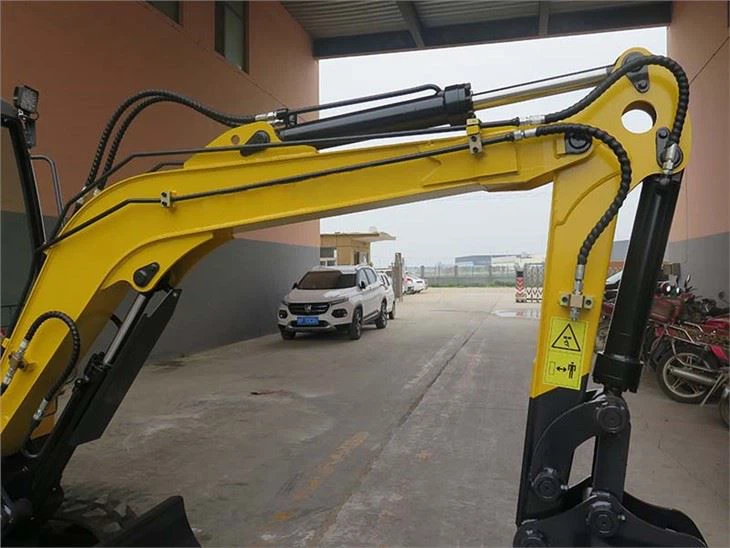
Before we dive into the specifics of the Infront Excavator's hydraulic cylinder, let's first understand the fundamental principles of how hydraulic cylinders work. A hydraulic cylinder is a mechanical actuator that converts hydraulic energy into linear motion. It consists of a cylinder barrel, a piston, a piston rod, and various seals and valves.
The cylinder barrel is a hollow tube where the piston moves back and forth. The piston divides the cylinder into two chambers: the rod side and the cap side. The piston rod extends from the piston through one end of the cylinder and is connected to the load that needs to be moved. Seals are used to prevent fluid leakage between the piston and the cylinder barrel, as well as between the piston rod and the cylinder end.
Hydraulic fluid, typically oil, is used to transmit force within the cylinder. When pressure is applied to the hydraulic fluid in one chamber, it causes the piston to move in the opposite direction, generating linear motion. This motion can be used to lift, push, or pull heavy loads, making hydraulic cylinders ideal for applications in construction equipment like excavators.
Design and Components of the Infront Excavator's Hydraulic Cylinder
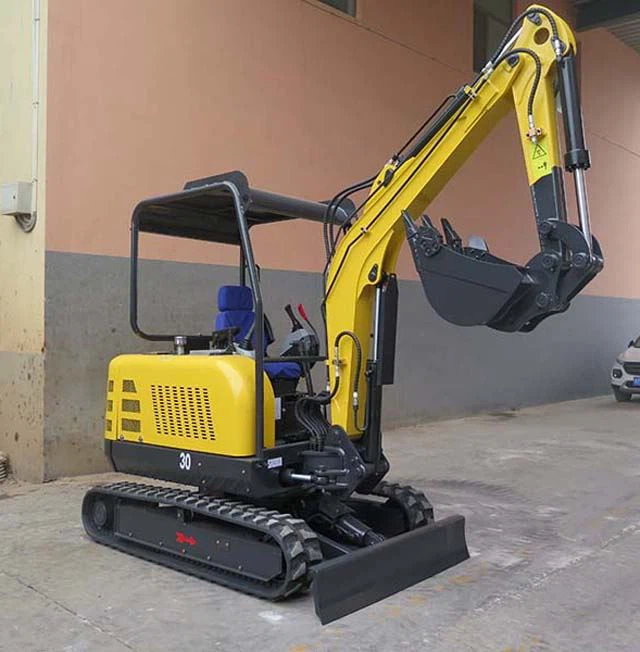
The Infront Excavator's hydraulic cylinder is designed to meet the demanding requirements of excavation work. It is built with high-quality materials and precision engineering to ensure durability, reliability, and optimal performance.
Cylinder Barrel
The cylinder barrel of the Infront Excavator's hydraulic cylinder is made from high-strength steel to withstand the high pressures and forces generated during operation. It is precision-machined to ensure a smooth internal surface, which reduces friction and wear on the piston and seals.
Piston and Piston Rod
The piston and piston rod are critical components of the hydraulic cylinder. They are designed to be lightweight yet strong enough to handle the heavy loads encountered in excavation work. The piston is typically made from forged steel and is fitted with high-quality seals to prevent fluid leakage. The piston rod is also made from high-strength steel and is chrome-plated to resist corrosion and wear.
Seals and Valves
Seals and valves play a crucial role in the operation of the hydraulic cylinder. The seals are used to prevent fluid leakage between the piston and the cylinder barrel, as well as between the piston rod and the cylinder end. They are made from high-quality materials such as rubber or polyurethane and are designed to withstand high pressures and temperatures.
The valves in the hydraulic cylinder are used to control the flow of hydraulic fluid and regulate the pressure within the cylinder. They include check valves, relief valves, and control valves. Check valves allow fluid to flow in one direction only, while relief valves prevent the pressure in the cylinder from exceeding a safe limit. Control valves are used to adjust the speed and direction of the piston's movement.
Operation of the Infront Excavator's Hydraulic Cylinder
The operation of the Infront Excavator's hydraulic cylinder is a complex process that involves the interaction of several components. Let's take a closer look at how it works.
Hydraulic Pump
The hydraulic pump is the heart of the hydraulic system in the excavator. It is responsible for generating the pressure required to move the hydraulic fluid through the system. The pump draws hydraulic fluid from the reservoir and pressurizes it before sending it to the hydraulic cylinder.
Control Valves
The control valves in the hydraulic system are used to regulate the flow of hydraulic fluid to the hydraulic cylinder. They are operated by the excavator's operator using a control lever or joystick. By manipulating the control valves, the operator can control the speed, direction, and force of the piston's movement.
Hydraulic Cylinder
When the control valves are opened, pressurized hydraulic fluid is sent to one of the chambers in the hydraulic cylinder. The pressure of the fluid causes the piston to move in the opposite direction, generating linear motion. The movement of the piston is transmitted to the load through the piston rod, allowing the excavator to perform various tasks such as digging, lifting, and pushing.
Return Flow
After the piston has completed its stroke, the control valves are adjusted to allow the hydraulic fluid to return to the reservoir. The return flow of the fluid is necessary to maintain the proper level of fluid in the system and to prevent overheating.
Benefits of the Infront Excavator's Hydraulic Cylinder
The Infront Excavator's hydraulic cylinder offers several benefits that make it a popular choice among construction professionals.
High Power and Efficiency
The hydraulic cylinder provides high power and efficiency, allowing the excavator to perform heavy-duty tasks with ease. The use of hydraulic power enables the excavator to generate more force than traditional mechanical systems, making it more effective in digging and lifting heavy loads.
Precise Control
The hydraulic system in the Infront Excavator allows for precise control of the piston's movement. The operator can adjust the speed, direction, and force of the movement with great accuracy, which is essential for performing delicate tasks such as grading and leveling.
Durability and Reliability
The Infront Excavator's hydraulic cylinder is built to last. It is made from high-quality materials and is designed to withstand the harsh conditions of construction sites. The use of high-quality seals and valves ensures that the cylinder operates reliably and efficiently for many years.
Versatility
The hydraulic cylinder in the Infront Excavator can be used for a wide range of applications. It can be used to power various attachments such as buckets, breakers, and grapples, making the excavator a versatile and multi-functional machine.
Applications of the Infront Excavator
The Infront Excavator, with its powerful hydraulic cylinder, is suitable for a variety of construction and excavation applications. Some of the common applications include:
Construction
Infront Excavators are widely used in construction projects for tasks such as digging foundations, trenching, and backfilling. Their high power and precise control make them ideal for working in tight spaces and around other construction equipment.
Mining
In the mining industry, Infront Excavators are used for digging and loading minerals. Their ability to handle heavy loads and work in harsh environments makes them a valuable asset in mining operations.
Landscaping
Infront Excavators are also used in landscaping projects for tasks such as grading, leveling, and digging ponds. Their versatility and precise control allow landscapers to create beautiful and functional outdoor spaces.
Demolition
The powerful hydraulic cylinder in the Infront Excavator makes it suitable for demolition work. It can be used to break down buildings, remove concrete structures, and clear debris.
Conclusion
The Infront Excavator's hydraulic cylinder is a remarkable piece of engineering that plays a crucial role in the performance and efficiency of the excavator. Its design, operation, and benefits make it a popular choice among construction professionals worldwide. Whether you're involved in construction, mining, landscaping, or demolition, the Infront Excavator with its powerful hydraulic cylinder can help you get the job done quickly and efficiently.
If you're interested in learning more about our Infront Excavators or are looking to purchase one for your construction projects, we encourage you to contact us for a consultation. Our team of experts is ready to assist you in finding the right excavator for your needs and to provide you with the support and service you deserve.
References
- Fluid Power Handbook, Society of Automotive Engineers
- Hydraulic Systems Design and Application, John F. Driscoll
- Construction Equipment Operation and Maintenance, Donald G. Neumann


