


Loader
A loader, also known as a front-end loader, is used in construction, mining, agriculture, and other industries. It is designed to lift and transport large quantities of materials, such as soil, sand, gravel, rocks, and debris. A loader typically consists of a large, powerful engine and a hydraulically operated arm with a large bucket at the end. The operator sits in a cab located above the engine and controls the machine's movements and functions using a series of levers, pedals, and switches.
Advantages of Loader
High production capacity: Capable of moving large amounts of material quickly and efficiently, makes them ideal for use in mining, quarrying, and other high-production environments. They can carry and move large amounts of material in one scoop, saving time and reducing the need for manual labor.
Versatility: They are designed to handle a variety of materials, including gravel, sand, rock, and dirt. They can also be equipped with a variety of attachments, such as forks, buckets, and snowplows, to make them more versatile and adaptable to different tasks.
Maneuverability: Wheel loaders are highly maneuverable, with the ability to turn in tight spaces and navigate around obstacles. This makes them ideal for use in construction sites and other environments where space is limited.
Operator comfort: Modern wheel loaders are designed with operator comfort in mind, featuring ergonomic controls, comfortable seats, and climate-controlled cabs. This can improve operator productivity and reduce fatigue, helping to improve safety on the job site.
Fuel efficiency: Many modern wheel loaders are equipped with advanced engine technology that improves fuel efficiency while reducing emissions. This can help reduce operating costs and environmental impact.
-
 Wheel Loader Sl30wnWheel loader SL30WN engine use Weichai WP6G125E333 engine, which has powerful power, reliableAdd to Inquiry
 -
 Backhoe Wheel Loader YF388In the ever-changing field of engineering construction and municipal maintenance, the choice ofAdd to Inquiry
 -
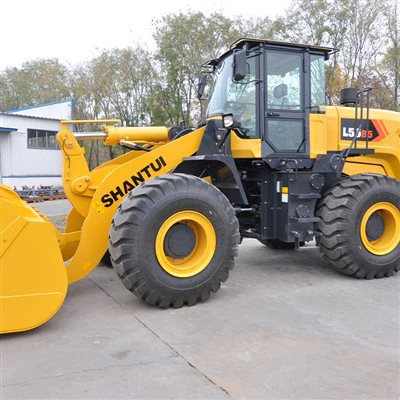 Wheel Loader L55 For SaleWheel Loader L55 for sale Compared with crawler equipment, wheel loaders travel faster on hardAdd to Inquiry
 -
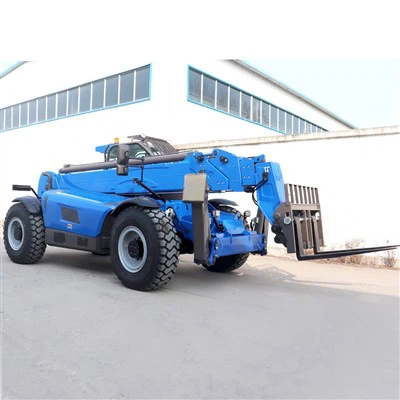 YF6017Telescopic LoaderYF5018Telescopic Loader Our latest projects Shanghai Jwell machinery Workshop co-operation projectsAdd to Inquiry
 -
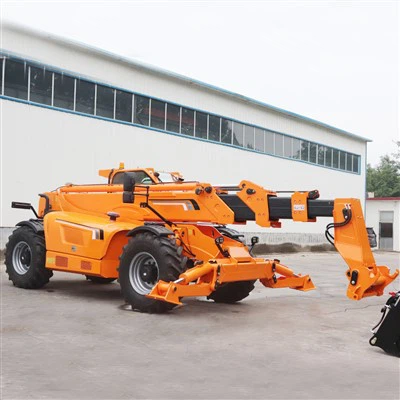 YF5018Telescopic LoaderYF5018Telescopic Loader Product Features Smart Handling Safe, comfortable and at the same timeAdd to Inquiry
 -
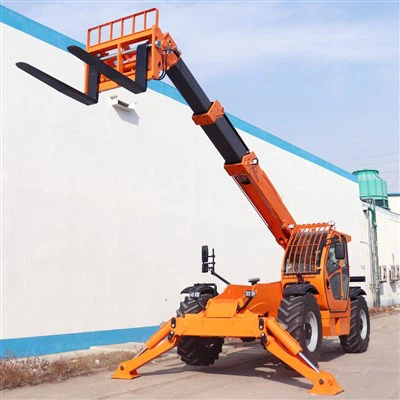 YF5014Telescopic LoaderYF5010Telescopic Loader Four-wheel drive and steering: Strong power: Provides good traction andAdd to Inquiry
 -
 YF5010Telescopic LoaderYF5010Telescopic Loader Four-wheel drive and steering: Strong power: Provides good traction andAdd to Inquiry
 -
 YF4018Telescopic LoaderYF4018Telescopic Loader High-efficiency and energy-saving power system: adopts high-efficiency andAdd to Inquiry
 -
 YF4010 Telescopic LoaderYF4010 Telescopic Loader 1. YF4010 Telescopic Loader adopts international brand power, efficientAdd to Inquiry
 -
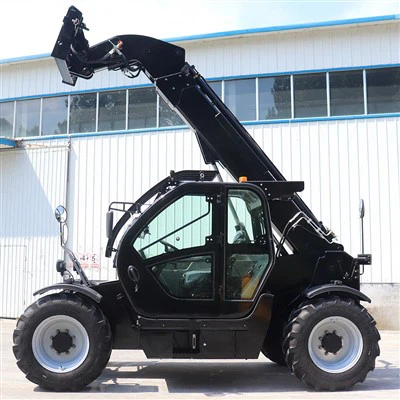 YF4007 Telescopic LoaderYF4007 Telescopic Loader 1. YF4007 Telescopic Loader can not only carry goods (such as pallets,Add to Inquiry
 -
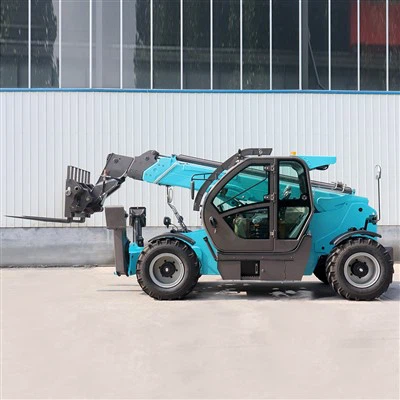 YF3510 Telescopic LoaderYF3510 Telescopic Loader The heavy-duty frame with strong torsion rigidity can safely bear the highAdd to Inquiry
 -
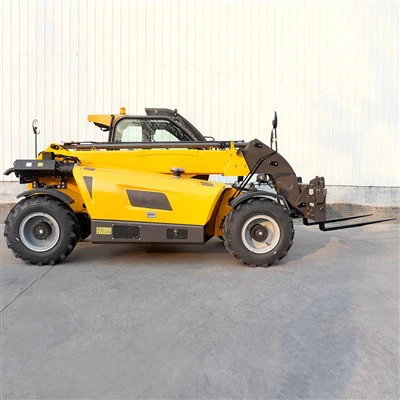 YF3507 Telescopic LoaderProduct Features INSIDE THE CAB operation with the world's top customers,with the 3CAdd to Inquiry


- Tel: +86 537 2934 666
- Fax: +86 537 2934999
- Mobile: +86 150 5376 7299
+86 178 6137 8818 - Email: famous@chinaift.com
- Add: Shantui Industry Park, Jining City, Shandong Province, China
Why Choose US
Our Factory
Famous Machinery Co., Ltd. relies on XCMG, Sany, Shantui and other famous large-scale construction machinery manufacturing enterprises in China. It has independent import and export rights and is a large-scale international trading company specializing in construction machinery and parts.
Main Market
The products are sold in more than 30 domestic provinces and autonomous regions, and exported to more than 170 countries and regions such as Europe, Africa, South America, and Russia. With high-quality products and good reputation, it has won unanimous praise and wide acclaim from domestic and foreign customers, and has made its own contribution to China's machinery manufacturing going to the world.
Product series
Excavation machinery, shovel transport machinery, road machinery, hoisting machinery, mining machinery, concrete machinery, heavy trucks, special vehicles, aerial work platforms, piling machinery, non-excavation machinery, tunnel machinery, environmental protection machinery, fire safety Equipment.
Professional team
Build a first-class team, establish a first-class image, sell first-class products, provide first-class services, and create first-class value. Through the joint efforts of all employees, our team has become a globally trusted service provider of engineering equipment solutions.
Types of Loader

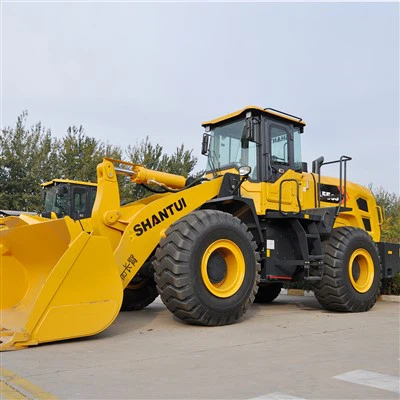

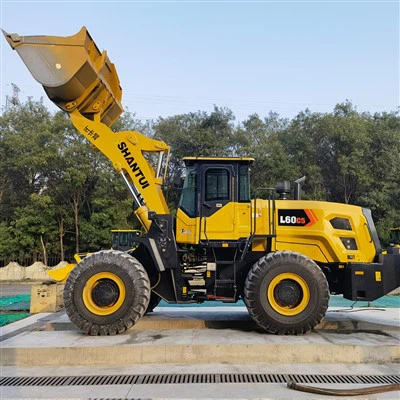
Backhoe loaders
Backhoe loaders are versatile instruments found on most construction sites. Located on the front, the loading bucket can suit a wide range of material handling applications. The buckets let you load, transport and dump materials quickly. The buckets can easily move rock, gravel, sand and other types of construction materials. After you've transported the materials, you can also use the buckets to clean the surrounding area when you complete the excavation job.
Skid steer loaders
Skid steer loaders are another useful loader type. Skid steers are excellent for light work and a fast-paced job site. These four-wheeled tools feature a unique movement design, allowing you to steer by skidding. During use, the operator locks one pair of tires and leaves the other side free. The action allows the machine to turn within a predefined radius. The specialized steering ability makes skid steer loaders ideal for tight spaces.
Compact track and multi-terrain loaders
Compact track loaders and multi-terrain loaders use similar steering structures. These types of equipment freeze one track set and route power to the opposite side. With this operating style, the loaders can make 360-degree turns within their radius.
Wheel loaders
Wheel loaders are frequently used for moving materials. You can often find them in sand and gravel quarries where they can easily fill trucks. Cat wheel loaders are also common choices for moving industrial, agricultural and municipal waste.
Track loaders
Track loaders are another strong option for your construction site. These machines can help you maximize productivity in your industry. Track loaders have tracks instead of wheels, making them solid options for uneven terrain and rougher conditions. They're often better suited for challenging conditions than machines with wheels because of their tracks.
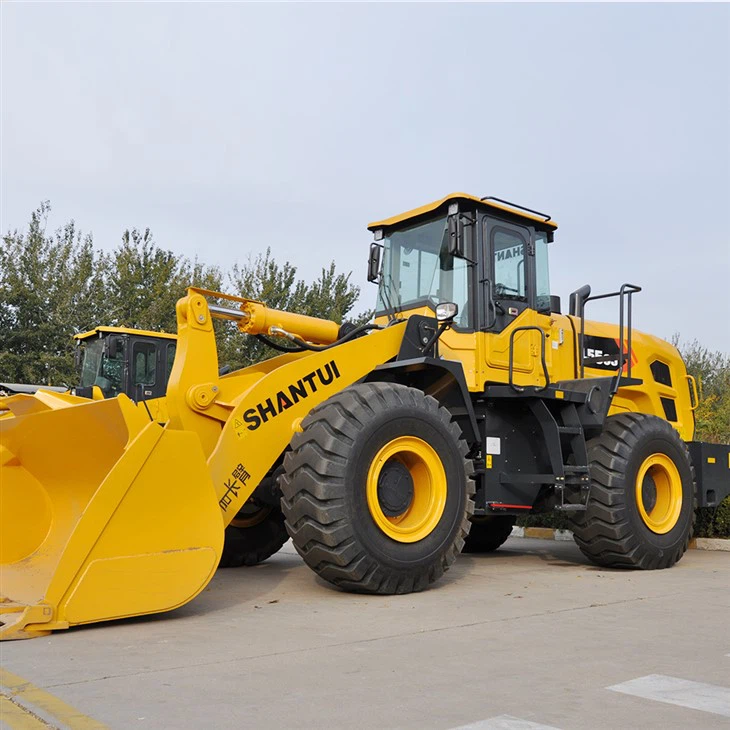
Loaders function by digging a front-mounted bucket into the ground. From there, this bucket scoops up and transports materials. Like other lifting devices, this front-mounted bucket carries objects with an internal hydraulics system. Operators can also adjust a load in midair to better leverage its weight.
In some cases, the bucket is permanently mounted on a wheel loader. Other models feature a wider selection of attachments that operators can swap out. Depending on the size and shape of their haul, one attachment may provide a more secure grasp than another.
Similar to telehandlers and forklifts, operators benefit from a spotter. They can provide instructions to operators, ensuring they carry loads around obstacles. However, some jobs require spotters more than others. When transporting materials off a work site, operators can safely drive away from other personnel.
Components of Wheel Loaders
Wheel loaders are powerful machines used in various industries to handle heavy materials with ease. These robust workhorses consist of several essential components that work together to ensure efficient operation. Let's take a closer look at the key components of a wheel loader:
Bucket: The front-mounted bucket is the most recognizable component of a wheel loader. It comes in various sizes and shapes, depending on the intended application. The bucket's design allows it to scoop materials from the ground and carry them to their destination. From loose soil and gravel to large rocks, the bucket can handle a wide range of materials.
Chassis: The chassis serves as the foundation of the wheel loader, providing structural strength and stability. It is designed to withstand the heavy loads and constant stress encountered during operation. The chassis is usually mounted on large, sturdy tires that offer excellent traction on various terrains.
Engine: Wheel loaders are typically powered by diesel engines that provide the necessary torque and power to lift heavy loads. The engine's size and power output depend on the loader's intended use and capacity. Modern wheel loaders often feature fuel-efficient engines that comply with emission regulations.
Operator's cab: The operator's cab is a crucial component where the operator sits and controls the wheel loader. It is designed to provide a comfortable and ergonomic workspace for the operator, allowing them to work efficiently and safely for extended periods. The cab is equipped with controls, instruments, and gauges to monitor the machine's performance and operation.
Transmission: The transmission system allows the operator to control the speed and direction of the wheel loader. It enables smooth transitions between forward and reverse gears, giving the operator precise control over the machine's movements.
Hydraulic system: The hydraulic system is a vital component that operates the lifting arms, bucket, and other attachments. It uses hydraulic fluid under pressure to generate the force needed for lifting and moving heavy materials. The hydraulic system's responsiveness and reliability are critical to the wheel loader's overall performance.
Counterweight: The counterweight is a heavy mass located at the rear of the wheel loader, opposite the bucket. It serves to balance the machine and prevent it from tipping forward when carrying heavy loads in the bucket.
Understanding the components of a wheel loader is essential for anyone operating or working with these machines. Each component plays a critical role in ensuring the wheel loader's functionality, safety, and efficiency.
Applications of Wheel Loaders
Wheel loaders, with their exceptional versatility and lifting capabilities, find a wide range of applications across various industries. These powerful machines are indispensable workhorses that significantly contribute to productivity and efficiency in diverse settings. Let's explore the key applications of wheel loaders:
Construction: In the construction industry, wheel loaders are ubiquitous. They play a crucial role in tasks like loading and transporting construction materials, such as sand, gravel, concrete, and debris. From excavation and backfilling to leveling surfaces, wheel loaders are essential for streamlining construction operations.
Mining: Mining operations rely heavily on wheel loaders for handling materials such as ore, coal, and rocks. The machines excel in loading dump trucks, transporting materials within the mine, and assisting in various mining processes, making them indispensable assets in mining operations worldwide.
Agriculture: Wheel loaders have found their way into the agriculture sector, where they aid in various tasks. From loading and transporting crops and manure to maintaining farm infrastructure, wheel loaders improve efficiency and reduce manual labor on farms.
Material handling: Warehouses, distribution centers, and shipping yards benefit from the use of wheel loaders to move goods efficiently. They play a vital role in loading and unloading containers, stacking pallets, and organizing materials in these busy settings.
Snow removal: In regions with harsh winters, wheel loaders equipped with snowplows or snow blowers become indispensable tools for clearing roads, parking lots, and other surfaces from heavy snowfall.
Waste management: Waste handling wheel loaders are specifically designed for the waste management industry. They excel in moving and compacting various types of waste in recycling centers, landfills, and waste transfer stations.
Landscaping: For landscaping projects, compact wheel loaders are ideal due to their maneuverability in tight spaces. They assist in tasks like grading, backfilling, and moving landscaping materials, contributing to the beautification of outdoor spaces.
Forestry: In the forestry industry, specialized wheel loaders are used for tasks such as handling logs, loading wood chips, and maintaining forest roads and trails.
Demolition: Wheel loaders are valuable assets in demolition projects, helping to clear debris, remove materials, and prepare the site for further construction or development.
Quarrying: In quarries, wheel loaders are used to load mined materials onto trucks for transportation. Their robustness and lifting capacity make them well-suited for the challenging environment of quarry operations.
Differences Between a Wheel Loader and a Loader
Loaders and wheel loaders are two types of heavy equipment commonly used in construction, mining, and various material handling applications. While both machines are designed for similar tasks, they have distinct differences that make them suitable for specific jobs.
Mobility
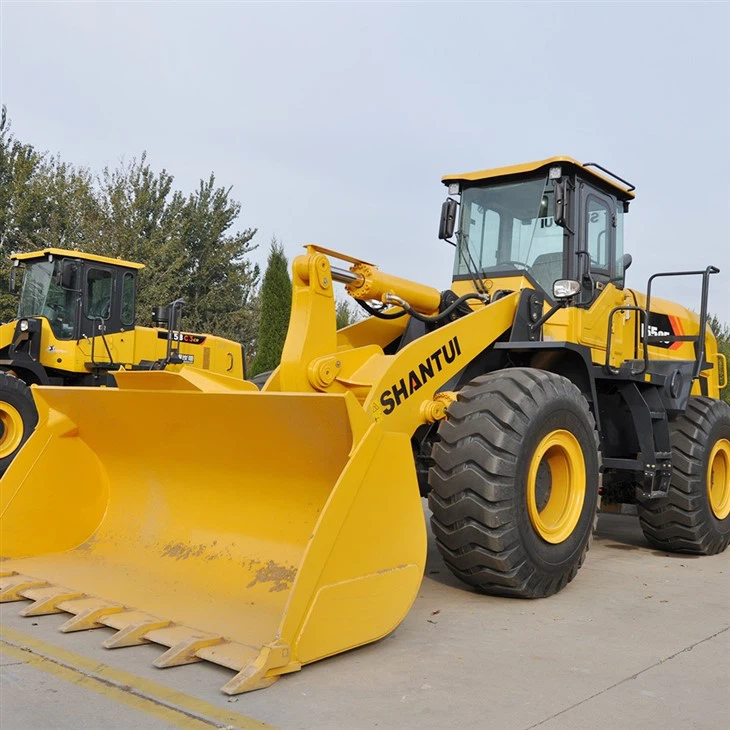
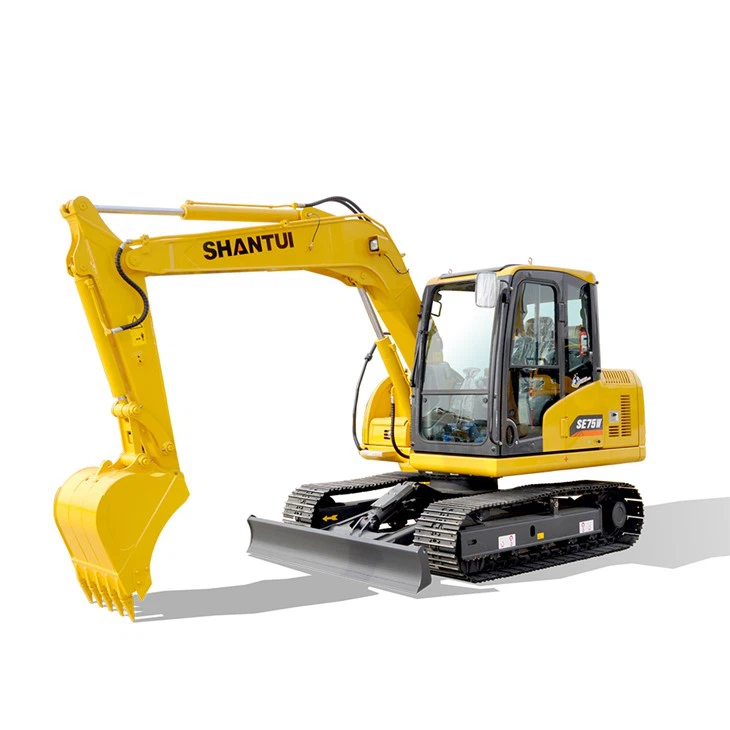
One of the most significant differences between a loader and a wheel loader is mobility. A loader typically has tracks or wheels and is capable of moving in various directions, making it highly maneuverable. In contrast, a wheel loader is specifically designed with wheels, which provide better speed and mobility for tasks that involve a lot of traveling between loading and dumping points.
Tires vs. Tracks
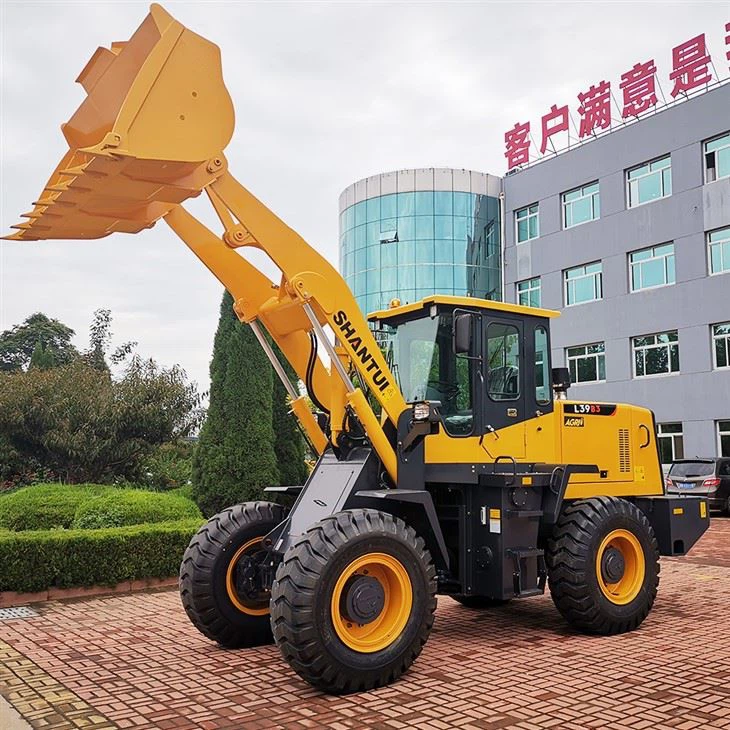
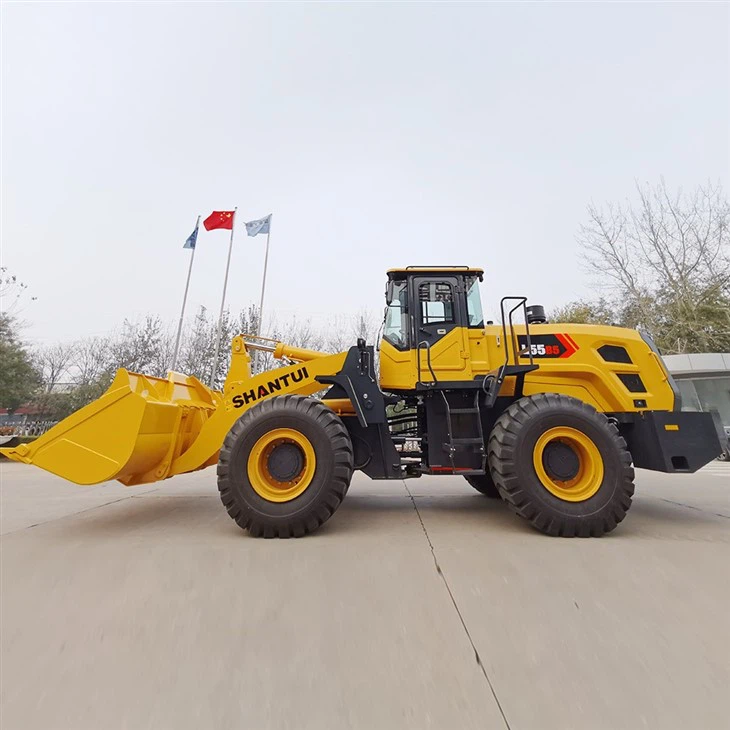
A loader typically has tracks or tires that are well-suited for working on rough and uneven terrain. These machines are ideal for applications that require traversing challenging landscapes, such as forestry, agriculture, or construction sites with soft or muddy ground. Wheel loaders, on the other hand, have large wheels that provide better traction on hard surfaces like roads, making them suitable for tasks like material handling in quarries or loading trucks at construction sites.
Load capacity
Loaders and wheel loaders differ in their load capacities. Loaders, often known as skid steer loaders or compact loaders, are generally smaller and have lower load capacities compared to wheel loaders. They are suitable for tasks that involve handling smaller loads, such as landscaping, snow removal, or light construction work. Wheel loaders, with their larger size and stronger engines, are designed for heavy-duty tasks that require moving substantial amounts of material, like loading large trucks or stockpiling materials in bulk.
Steering mechanism
Another key difference is the steering mechanism. Loaders typically use skid steering, where the left and right wheels or tracks move at different speeds to change direction. This mechanism allows for quick and agile turns but may require more skill to operate. Wheel loaders, on the other hand, use articulated steering, which allows the front and rear sections of the machine to pivot independently. This results in smoother and more precise steering, making wheel loaders easier to maneuver in tight spaces.
Versatility
Loaders are known for their versatility and can be equipped with a wide range of attachments, such as buckets, forks, and hydraulic hammers. This versatility makes them adaptable to various tasks, from landscaping to excavation. Wheel loaders, while less versatile in terms of attachment options, excel in specialized tasks like high-volume material handling and loading operations.

Size and weight
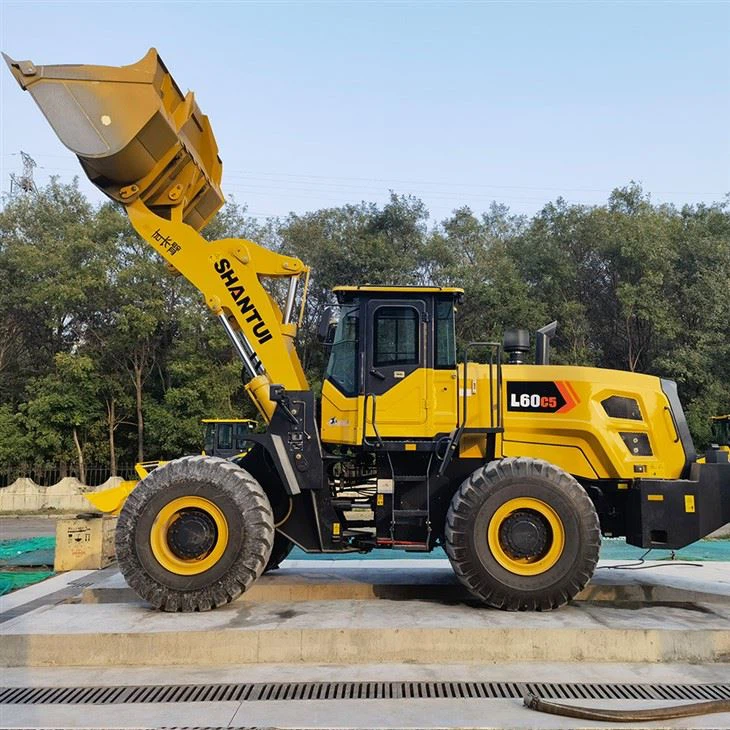
Loaders are generally smaller and lighter than wheel loaders. Their compact size allows them to access tight spaces and navigate through narrow pathways. In contrast, wheel loaders are larger and heavier machines, making them better suited for heavy-duty applications where stability and lifting capacity are crucial.
Know Before Buying a Wheel Loader
Capacity and size
Assess the load capacity required for your operations. Wheel loaders come in various sizes and have different load capacities. Consider the weight and volume of the materials you'll be handling to determine the appropriate size and capacity of the wheel loader. An undersized loader may lead to inefficiencies and increased wear, while an oversized one may lead to unnecessary costs.
Attachments and versatility
Check the availability of compatible attachments for the wheel loader. Attachments such as buckets, forks, grapples, and snowplows enhance the loader's versatility and enable it to perform multiple tasks. Opting for a wheel loader with a quick coupler system allows for easy and efficient attachment changes.
Fuel efficiency
Consider the fuel efficiency of the wheel loader. Look for loaders equipped with advanced engine technology and features that optimize fuel consumption. Fuel-efficient loaders not only reduce operating costs but also have a positive environmental impact.
Maintenance and serviceability
Examine the ease of maintenance and serviceability of the wheel loader. Easy access to critical components and regular maintenance points simplifies routine inspections and servicing, reducing downtime and maximizing productivity.
Operator comfort and safety
Operator comfort and safety are paramount in any equipment. Ensure that the wheel loader provides a comfortable and ergonomically designed cab with excellent visibility. Safety features such as rops (roll-over protective structure) and fops (falling object protective structure) should be standard to protect the operator during operations.
Wheel Loader Operator Notes
Proper training and certification
Before operating a wheel loader, operators should undergo comprehensive training and obtain the necessary certifications. This training should cover the machine's operation, maintenance, and safety protocols to ensure wheel loader operators are equipped with the knowledge and skills needed to operate the wheel loader safely.
Pre-operational inspection
Performing a pre-operational inspection is crucial to identify any potential issues or malfunctions. Operators should check the tires, brakes, lights, hydraulic systems, and other critical components before starting the wheel loader. Any defects or abnormalities should be reported and addressed promptly.
Use personal protective equipment (ppe)
Wheel loader operators must wear appropriate personal protective equipment, including hard hats, safety glasses, high-visibility vests, gloves, and steel-toed boots. Ppe protects operators from potential hazards, such as falling objects, flying debris, and accidental contact with machinery.
Maintain clear visibility
Maintaining clear visibility is essential for safe wheel loader operation. Operators should ensure that mirrors and windows are clean and properly adjusted. If visibility is obstructed, the operator should use a spotter or a camera system to assist in maneuvering the machine.
Seat belt usage
Wearing a seat belt should be a non-negotiable practice for every wheel loader operator. Seat belts significantly reduce the risk of injury during accidents or sudden stops. Operators should always fasten their seat belts before starting the wheel loader.
Adhere to load capacity limits
Exceeding the wheel loader's load capacity can lead to tipping or loss of control. Operators should be aware of the wheel loader's load capacity and avoid overloading it. Distributing the load evenly and securing it properly will help maintain stability and prevent accidents.
Properly secure attachments
When using attachments, such as buckets or forks, operators must ensure they are properly secured. Loose or improperly attached attachments can detach during operation, causing serious injuries or damage. Regularly inspecting and tightening attachments is crucial for safety.
Maintain safe operating speeds
Operating a wheel loader at excessive speeds can compromise stability and control. Operators should always adhere to safe operating speeds, especially when turning, going uphill, or on uneven terrain. Maintaining a reasonable speed allows for better maneuverability and reduces the risk of accidents.
Communication and signaling
Clear communication between the operator and other workers on the site is vital for safe operations. Operators should use hand signals, radios, or other appropriate communication methods to ensure everyone is aware of their intentions and movements.
Regular maintenance and inspections
Proper maintenance and regular inspections are essential for keeping the wheel loader in safe working condition. Operators should follow the manufacturer's recommended maintenance schedule, conduct routine inspections, and promptly address any identified issues.
FAQ
Q: What is a wheel loader?
Q: What are wheel loaders good for?
Q: Why is it called a wheel loader?
Q: What are loaders used for?
Q: Who uses wheel loaders?
Q: What is a loader job?
Q: What is the difference between a wheel loader and an excavator?
Q: What is the difference between a wheel loader and a bulldozer?
Q: How fast is a wheel loader?
Q: What are the activities of a wheel loader?
Famous Machinery Co., Ltd. is one of the leading loader manufacturers and suppliers in China. We warmly welcome you to buy discount loader for sale here from our factory. All machines are with high quality and competitive price. For more cheap products, contact us now.
loader bumper pull trailer, loader receiver hitch trailer, loader weight distribution hitch trailer