


Road Roller
A road roller, also known as a roller-compactor, is a heavy construction machine used to compact soil, gravel, concrete, or asphalt. The goal of compaction is to increase the density of the material, which enhances its stability and load-bearing capacity. This process is crucial for constructing durable roads, foundations, and other infrastructure.The primary function of a road roller is to apply pressure on a surface to compact it. The process typically involves several passes over the area being compacted. For static rollers, the sheer weight of the machine compresses the material. Vibratory rollers, on the other hand, use both weight and mechanical vibrations to achieve deeper compaction. Pneumatic rollers distribute the load across multiple tires, which can be adjusted to achieve the desired compaction level.
Advantages of Road Roller
Safe
The amount of pressure which is put on the road roller means it must be able to match those requirements to a tee. In cases like this, a higher-quality road roller can breeze through with the work that should be done and it will remain safe for your operator.
Consistent
There are numerous things to investigate and it's important to take into account consistency. If there isn't enough consistency on offer, there isn't enough value for that roller to function well.
Easy to use
There are actually multiple requirements connected with a road roller and it's necessary for the operator to obtain throughout the project easily. With this thought, the street roller is great as it is able to handle everything the project demands. The road roller has the capacity to glance at the materials one by one and while ensuring that the final results are great.
Powerful
You will find a sense of power which comes in addition to a great road roller and it's important to invest in one without delay. The best road roller is able to deliver on all expectations and continues to maximize the work that's being carried out.
-
 14ton Road RollerSR14 (14ton Road Roller) hydraulic drive can easily realize stepless speed regulation, with a largeAdd to Inquiry
-
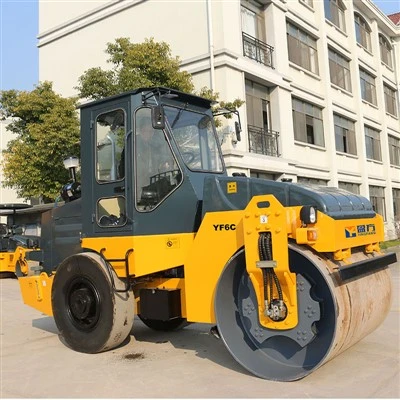 Fully-hydraulic Vibration RollerCost-Effective: The mounted vehicle fully-hydraulic vibration roller is a cost-effective solutionAdd to Inquiry
-
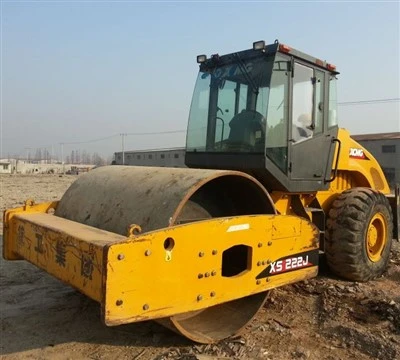 Single Drum Hydraulic Road RollerIncreased Safety: The mounted vehicle single drum hydraulic road roller has features that ensureAdd to Inquiry
-
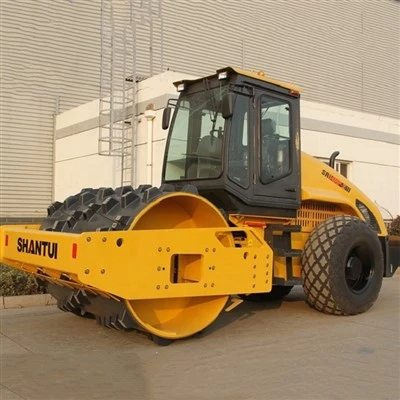 Hydraulic Compactor Road RollerEfficient Operation: The mounted vehicle Hydraulic compactor road roller is designed for easy andAdd to Inquiry
-
 Ride-on RollerThe Production Advantages of the Roller-Compactor with Mounted VehicleThe Ride-on roller, alsoAdd to Inquiry
-
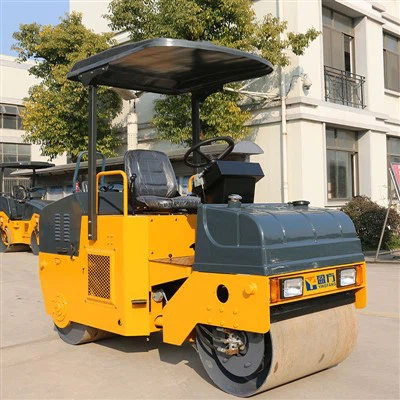 Single And Double Drum RollersIn conclusion, road rollers have several production advantages that make them an essential machineAdd to Inquiry
-
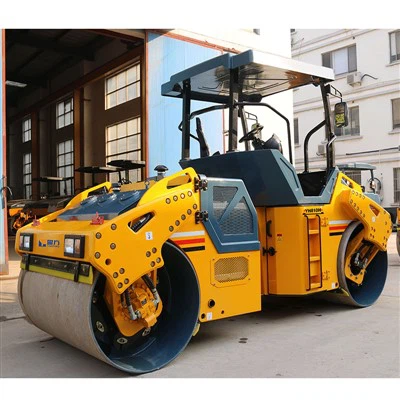 Double Steel Wheel Asphalt Road RollerVersatility: Double steel wheel Asphalt road roller are versatile machines that can be used forAdd to Inquiry
-
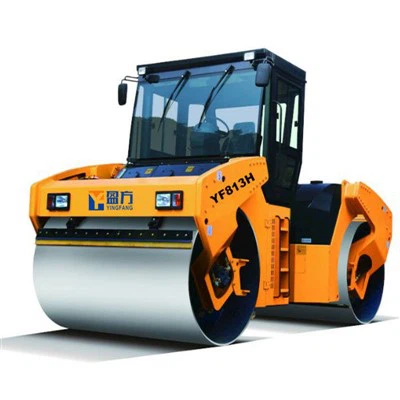 Full Hydraulic Double Wheel Soil CompactorFull hydraulic double wheel soil compactor are essential machines used for the construction andAdd to Inquiry
-
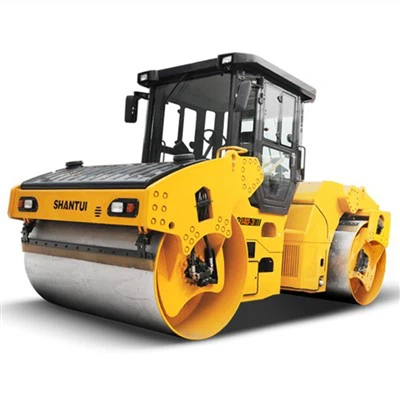 Diesel Road RollerCompared with the static action Diesel road roller, the vibratory roller has the followingAdd to Inquiry
-
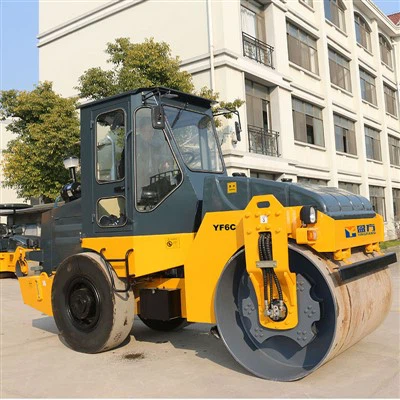 Large Road Construction Road RollerVibratory rollers are engineering equipment commonly used in modern Large road construction roadAdd to Inquiry
-
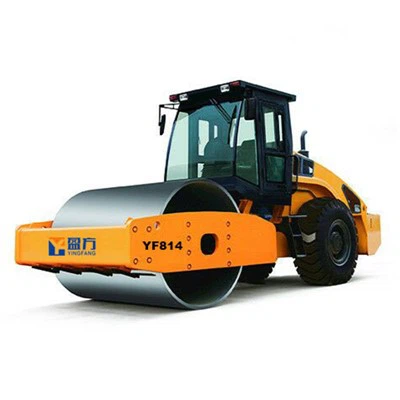 Large Ride-on Vibratory Road RollerVibratory Large ride-on vibratory road roller of the same quality have better compaction resultsAdd to Inquiry
-
 Earthwork Road RollersVersatility: Hydraulic steel drums are versatile and can be used on a wide range of Earthwork roadAdd to Inquiry


- Tel: +86 537 2934 666
- Fax: +86 537 2934999
- Mobile: +86 150 5376 7299
+86 178 6137 8818 - Email: famous@chinaift.com
- Add: Shantui Industry Park, Jining City, Shandong Province, China
Why Choose US
Our Factory
Famous Machinery Co., Ltd. relies on XCMG, Sany, Shantui and other famous large-scale construction machinery manufacturing enterprises in China. It has independent import and export rights and is a large-scale international trading company specializing in construction machinery and parts.
Main Market
The products are sold in more than 30 domestic provinces and autonomous regions, and exported to more than 170 countries and regions such as Europe, Africa, South America, and Russia. With high-quality products and good reputation, it has won unanimous praise and wide acclaim from domestic and foreign customers, and has made its own contribution to China's machinery manufacturing going to the world.
Product series
Excavation machinery, shovel transport machinery, road machinery, hoisting machinery, mining machinery, concrete machinery, heavy trucks, special vehicles, aerial work platforms, piling machinery, non-excavation machinery, tunnel machinery, environmental protection machinery, fire safety Equipment.
Professional team
Build a first-class team, establish a first-class image, sell first-class products, provide first-class services, and create first-class value. Through the joint efforts of all employees, our team has become a globally trusted service provider of engineering equipment solutions.
Types of Road Rollers




Cylindrical rollers
A basic type of road roller, cylindrical rollers are one lightweight compared to other types. This type of compactor is pushed by a person to level surfaces in small projects like gardens.
Grid rollers
Grid rollers have rollers that have a lattice of steel bars creating a grid on the drum. Some of these rollers may also be ballasted to increase pressure on the surface.
This type of roller is best suited for coarse surfaces and for sub-base of road construction projects.
Pneumatic rollers
Another type of roller is the pneumatic roller. This type of roller requires a driver to operate it from its cab and it has multiple rows of tires on the machine. These rubber tires increase the unit's coverage area up to 80% and it also exerts even pressure on the workspace.
This roller is best used for the finishing touches on a project.
Static rollers
There are two types of static rollers available: Tandem or double drum and three-wheeled or single drum.
The tandem has two drums equipped on the roller. This allows the roller to finish tasks efficiently. They're best used to flatten surfaces like asphalt.
Single drum rollers on the other hand are best for preparing the ground for smaller projects such as buildings, houses, and sidewalks.
Vibratory rollers
Like static rollers, vibratory rollers look the same. However, vibratory rollers have a specialized vibrating movement as it flattens the surface.
This type of roller is best used for keeping the structural integrity of your construction projects. It can also be used for agricultural and mining applications because it can break rocks, large soil chunks, and gravel.
Tamping rollers
Tamping rollers or sheepsfoot have rectangular shapes protruding from the drum roller. The unique build of this roller makes it perfect for compacting soil, damp sand, and clay.
Where Are Road Rollers Used
Agriculture
Agriculturists benefit from road rollers greatly. This industry doesn't just use road rollers to flatten the earth to create seedbeds but, they also use it to break apart chunks of soil.
Waste management
The waste management industry uses road rollers in their landfills. Landfills or scrapyards tend to have a large amount of waste accumulating in them, some large and some small.
To maximize the space in these areas, landfills use the compacting ability of road rollers to flatten the land. The flattened land will then be used to store more items.
Mining
The mining industry recently adopted compactors into their process because of their ability to create stable pathways. These stable pathways enable the safe and easy transportation of materials, equipment, and personnel around the worksite.
Additionally, due to the stable terrain, vehicles are less likely to get damaged and the longevity of tires also increases.
Construction
The construction industry is one of the biggest users of this tool. Road rollers are one of the most critical heavy equipment used in road construction and surface preparation.
Compactors are key to lessening air pockets on the ground and ensuring that the surface is compact enough to withstand heavy weights such as structures and vehicles.
Buying a Road Roller: Things to Consider
The type of engine
You should check whether the road roller has a water-cooled or air-cooled engine before making a purchase. Even though there aren't many parts to maintain on air-cooled engines, these engines still require routine maintenance, particularly if the project is located in a hot, dusty environment. It is advisable to check for any harm and excess oil consumption from the oil pressure gauge when purchasing a used road wheel with air-cooled engines because these could indicate system problems. The search for a water-cooled engine should include a confirmation of any fluid leaks. The machine should not be used if the motor, valve covers, or head have cracks.
Engine output and emissions
The power produced by the engine and its compaction process power is referred to as the road roller's engine power. Due to the two drums, double drums have an additional benefit in this regard. Although single-drum road rollers are also powerful, moving heavy equipment like double-drum rollers requires more engine power. Powerful engines produce more efficiency. But when choosing a construction machine, power isn't the only factor to take into account.
The emission standard of a road roller is another consideration. Many governments today place a strong emphasis on lowering emissions and protecting the environment. Construction companies can switch to road rollers that are constructed to higher emission standards to help reduce pollution. In addition, they can combine diesel and hvo fuel to reduce the number of greenhouse gases the road roller emits.
Dimensions and drum width
There are various sizes for both the drums and the road rollers. You should think about what will serve its purpose the best before choosing a road roller. Site location, soil type, and size of the project are important considerations when deciding which drum size to use. The weight and size of a modest road roller drum are suitable for various soil types and can function well in small spaces. However, buying the “7-ton drum, class 67” with a road roller can be advantageous for road construction in parking lots, banks, and building establishments. Large road rollers with 84” wide drums may be needed for more demanding projects like building highways, airports, dams, reservoirs, and large commercial sites.
Compaction effectiveness
Any construction project needs a solid foundation, which is frequently determined by the road roller's compaction capabilities. A company should determine the type of soil to be compacted-granular (soil, rock, or sand) or firm (thick/tacky)-before considering a road roller compaction effectiveness. For proper compaction, road rollers operate in two vibration modes. These are abundance, which refers to the drum's upward development, which determines its power, and recurrence, which refers to the frequency with which the shaft pivots within the drum.Higher recurrence is better for a company working in softer soil and sand, while lower recurrence is better for a company working in firmer soil.
Operating a road roller requires proper training and qualifications. Operators typically need to complete a specialized training program that covers equipment operation, safety protocols, and maintenance procedures. They should also have a valid driver's license and may need additional certifications based on local regulations. It is essential to understand compaction principles, soil types, and safety guidelines. Ongoing training and experience are crucial for staying updated with industry standards and ensuring safe and efficient operation of road rollers.
Effective operation of road rollers involves a series of preparations. These preparations ensure the roller operates at maximum efficiency and prevents unnecessary breakdowns. Before starting the roller, the operator needs to check the fuel and fluid levels, inspect the roller for any visible damage, ensure proper tire inflation, test the lights and signals, and inspect the safety features. They should also conduct a pre-start inspection of the engine, hydraulics, and controls, and verify that all necessary tools and equipment are on board.
Operating a road roller requires adherence to various safety precautions and guidelines. Operators should wear personal protective equipment (ppe) such as helmets, high-visibility vests, and safety shoes. They must follow designated speed limits, be aware of their surroundings, and communicate with other workers on-site. When operating, they should maintain a safe distance from other machinery, avoid sudden maneuvers, and always use the machine's safety features. Proper compaction techniques, including overlapping passes and consistent speed, should be followed to achieve uniform compaction across the surface. Regular equipment maintenance and inspections are also crucial to ensure safe and efficient operation.
The functioning of a road roller involves various parts and components working in synchrony. While some elements are directly involved in compaction, others play third party roles such as control and regulation.
Engine and power system- the engine drives the wheels or drum through a transmission system, providing the necessary power and torque for the roller to perform its compaction and leveling tasks effectively. Road rollers are heavy and require high power to operate; this is the reason why most of their engines are diesel-powered.
Roller drum and weight- the roller drum is the compaction interface between the roller and material under compaction. Road rollers utilize the weight of the roller to exert a downward compaction force on the material.
Steering and control mechanisms- road rollers typically utilize hydraulic steering systems for control. Steering is achieved by applying differential braking, where the operator can control the braking force on the left and right sides independently. This allows for precise maneuverability and turning. The operator also has control over the speed and direction of the roller, usually through a control lever or joystick, enabling them to navigate and operate the machine with ease and accuracy.
Safety features and operator cabin- road rollers are equipped with various safety features such as seat belts, rops (roll-over protective structure), and fops (falling object protective structure) to protect the operator in case of accidents. The operator cabin is enclosed and designed for comfort, visibility, and reduced noise levels, ensuring a safer and more productive working environment.
5 Tips for Maintaining Your Road Roller
Perform daily maintenance checks.
This tip might seem a little bit simple, but any damage that is fatal to your machinery could happen at any moment of operation. By performing checks on a daily basis, you can get ahead of any significant damage and look out for the signs day by day, rather than being forced to react to any problems as they come. Just by adding 5 minutes to the end of a workday, catastrophic damage can be prevented by a simple walk-around each evening.
Add fuel at the end of each day.
As a part of your end of day checks, it's important to make sure that the fuel tank of your roller is full before going away for the night. Otherwise, you risk condensation getting in the fuel tank, and any water entering your engine can cause a high level of damage and put your roller out of commission until it's repaired.
Make sure your water tank is flowing.
This will take a little longer than the morning checks, and needs doing far less often, but fluid running out in your water tank can cause things to stick to the roller and render it useless. In addition to fluid running out, you'll need to keep an eye out for any build-up in your pipes and nozzles. Anything stopping your water flowing could stop your roller, even a little blockage in a hose.
Operate the machinery properly.
Using your machinery correctly, quite simply, makes sure it can behave in predictable ways and doesn't get damaged in odd circumstances. Damage from misuse can be far more difficult to repair than wear from regular usage simply because it can be difficult to know what exactly went wrong. To avoid big repair bills in the future, make sure all operators are trained and using equipment responsibly.
Keep the drum clean.
The drum is the most important aspect of your roller, as without it your machinery isn't doing anything. Keeping the drum clean and well lubricated makes sure that there are no imperfections in the road's surface, and there's no harm done to the drum by asphalt sticking to the surface and not letting go.
FAQ
Q: What are the main components of a road roller?
Q: What is inside the road roller?
Q: What are the parts of a road roller compactor?
Q: What is the surface material of road roller?
Q: What is the working principle of road roller?
Q: What are the components of a compactor?
Q: What is the difference between a road roller and a vibratory roller?
Q: What is the CSA of road roller?
Q: How heavy are road rollers?
Q: What are road rollers made of?
Q: What is the purpose of a road roller?
Q: Which fuel is used in road roller?
Q: What is the mechanism of road roller?
Q: What are the factors affecting roller compactor?
Q: Is road roller a cylinder?
Q: What is the compaction capacity of a road roller?
Q: What is the average speed of road roller?
Q: What kind of engine is used in the road roller?
Q: What is the width of a road roller?
Q: What is the mileage of a road roller?
Famous Machinery Co., Ltd. is one of the leading road roller manufacturers and suppliers in China. We warmly welcome you to buy discount road roller for sale here from our factory. All machines are with high quality and competitive price. For more cheap products, contact us now.
road roller for concrete leveling, road roller for driveway, road roller for highway