


Shantui for Bulldozer
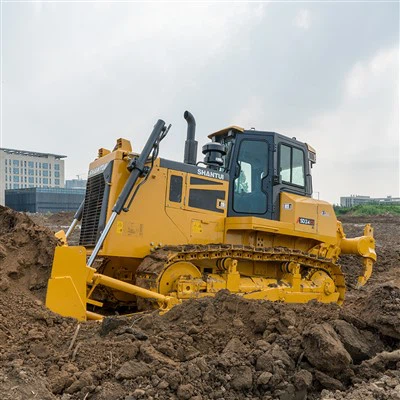
Also called as dozers or crawlers, bulldozers are powerful equipment which are largely employed for shifting huge amount of dirt, sand or debris on jobsites where there is wide open spaces. They are also used for rough grading and grinding rocks. Bulldozers are generally found on jobsites including general construction, road work and other types of infrastructure sites, mining, farms and forestry.
Advantages of Shantui For Bulldozer
Efficient earthmoving
They are designed to move large quantities of soil, rock, and other materials quickly and efficiently. The large blade on the front of the machine can move a significant amount of material in a single pass, which can save time and labor costs.
Versatility
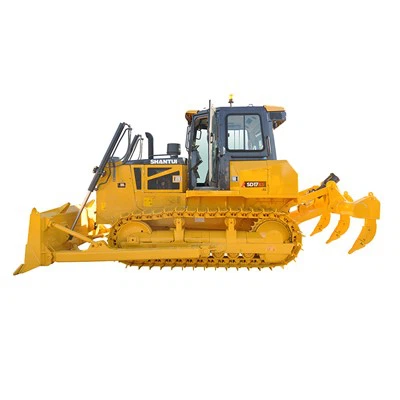
They are versatile machines that can be used for a wide range of tasks, including grading, excavation, and site preparation. They can also be fitted with various attachments, such as rippers, blades, and winches, to increase their functionality.
Increased safety
Dozers are generally safer to operate than other types of earthmoving equipment, such as excavators or backhoes, because they have a lower center of gravity and are less likely to tip over.
Improved maneuverability
They can maneuver over rough terrain and steep grades, making them ideal for use in challenging construction sites.
Increased productivity
The combination of efficiency, versatility, safety, and maneuverability means that dozers can help increase productivity on construction projects. This can help save time and money for contractors and their customers.
-
 Bulldozer D6 DozerEquipped with WP10 electronically controlled engine to meet the national stage III emissionAdd to Inquiry
 -
 Shantui Bulldozer SD60 PriceTop-tier power source: Equipped with a Cummins QSK19 electronic fuel injection engine (usingAdd to Inquiry
 -
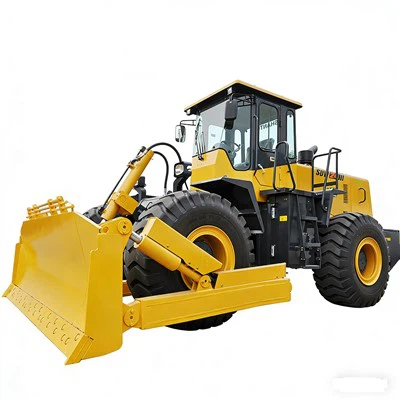 Dozer Wheel Bulldozer SDW24The Shantui SDW24 wheeled bulldozer is a high-performance wheeled bulldozer developed and designedAdd to Inquiry
 -
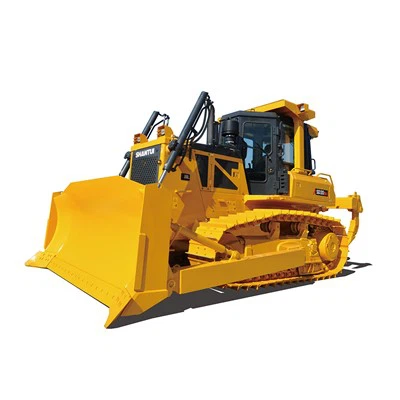 Shantui Bulldozer SD20 Price Cheep PriceThe SD20 series is Shantui's new generation of main tracked bulldozer platform launched for theAdd to Inquiry
 -
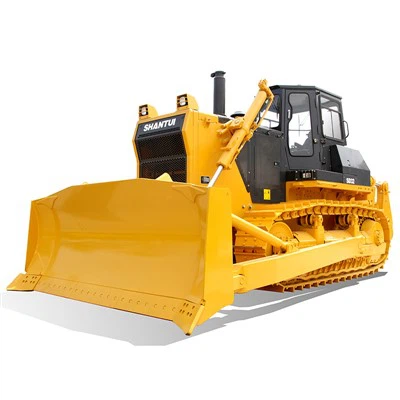 Shantui Bulldozer Price SD32 For SaleThe Shantui SD32 bulldozer, an upgraded masterpiece launched by Shantui Construction Machinery Co.,Add to Inquiry
 -
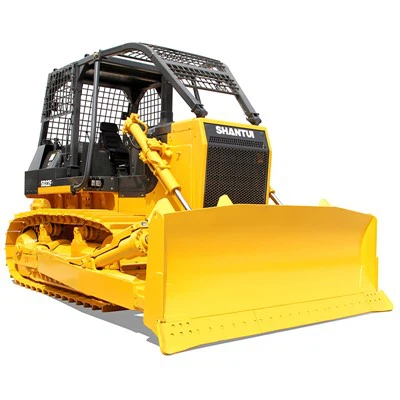 Shantui Bulldozer SD22 PriceDefining reliability with power – the Shantui SD22 bulldozer, the top choice for all-aroundAdd to Inquiry
 -
 Shantui Bulldozer SD60C5Shantui Bulldozer SD60C5 ● Adopt a high-pressure hydraulic system with a system pressure of 21MPa,Add to Inquiry
 -
-
-
-
-
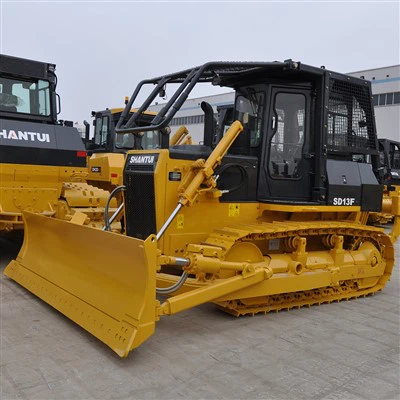 Shantui Bulldozer DH13FShantui Bulldozer DH13F Working quality (kg): 13700 Ground specific pressure (kPa): 53.8 EngineAdd to Inquiry


- Tel: +86 537 2934 666
- Fax: +86 537 2934999
- Mobile: +86 150 5376 7299
+86 178 6137 8818 - Email: famous@chinaift.com
- Add: Shantui Industry Park, Jining City, Shandong Province, China
Why Choose US
Our Factory
Famous Machinery Co., Ltd. relies on XCMG, Sany, Shantui and other famous large-scale construction machinery manufacturing enterprises in China. It has independent import and export rights and is a large-scale international trading company specializing in construction machinery and parts.
Main Market
The products are sold in more than 30 domestic provinces and autonomous regions, and exported to more than 170 countries and regions such as Europe, Africa, South America, and Russia. With high-quality products and good reputation, it has won unanimous praise and wide acclaim from domestic and foreign customers, and has made its own contribution to China's machinery manufacturing going to the world.
Product series
Excavation machinery, shovel transport machinery, road machinery, hoisting machinery, mining machinery, concrete machinery, heavy trucks, special vehicles, aerial work platforms, piling machinery, non-excavation machinery, tunnel machinery, environmental protection machinery, fire safety Equipment.
Professional team
Build a first-class team, establish a first-class image, sell first-class products, provide first-class services, and create first-class value. Through the joint efforts of all employees, our team has become a globally trusted service provider of engineering equipment solutions.
What are the Different Types of Bulldozers



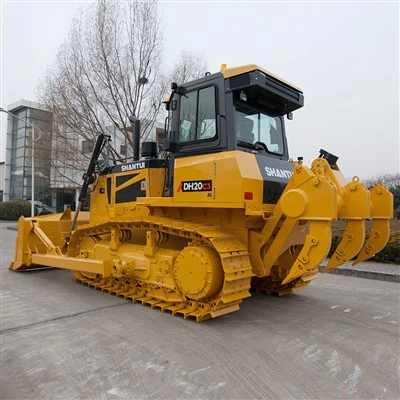
Crawler bulldozer
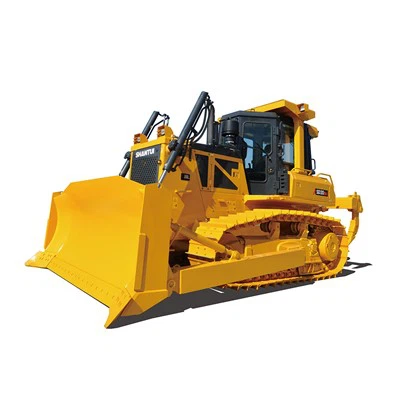
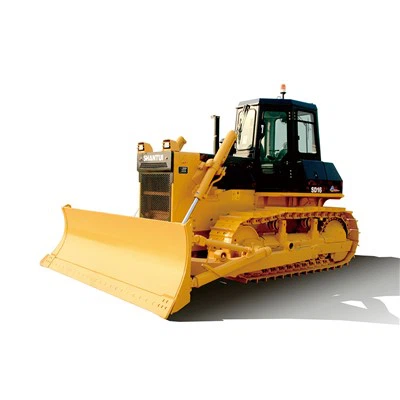
Also known as the track bulldozer, this type of heavyweight bulldozer typically features a heavy front plate to move earth from one location to another and push heavy materials. Such bulldozers are most suitable for fields, irregular land, and abnormal terrain, as they offer superior traction. Also, bigger-sized crawlers feature rippers on the back to help crush and clear the ground, mainly used at road construction and mining sites.
Mini bulldozer
As the name suggests, this is a compact-sized bulldozer that finds its application in grading work, clearing residential lots, sloping, backfilling, etc. Mini dozers are ideal to use at narrow sites or residential areas where better manoeuvrability and flexibility are required, as their small size makes them easier to control and manoeuvre.
Wheel bulldozer
Commonly larger than a crawler bulldozer, this bulldozer relies on wheels to work around the site. The wheels make these bulldozers more manoeuvrable than crawlers and easy to handle. Thus, wheel bulldozers are great for levelling and clearing land, like in stadiums, spacious grounds, water parks, etc.
Shiphold bulldozer
These types of bulldozers have a compact and rust-resistant design, ideal for loading and unloading bulk cargo from commercial vessels, as their size enables high manoeuvrability. While their rust-resistant property makes them more suitable for operations in maritime worksites.
Mulcher bulldozer
This bulldozer comes with a mulcher attachment designed to shred and grind pieces of debris, such as trees, brush and shrubbery, for clearing large land sites. Thus, this bulldozer can clear the land by grinding the vegetation into smaller pieces.
Hybrid bulldozer
Hybrid bulldozers feature engines that use electric components along with the traditional engine technology, thus making them ideal for tasks where fuel consumption and emission may be a concern. These dozers are equipped with a combination of blades to enable simultaneous operations in waterlogged and very rough conditions. Though relatively new in the indian market, hybrid bulldozers are as powerful as traditional bulldozers, more versatile, and consume less fuel.
What are the Different Parts of Bulldozers
Engine components
The engine is the heart of a bulldozer, providing the power needed for all operations. Key components include the engine block, cylinders, pistons, and fuel injectors. Regular maintenance of these parts is essential to prevent breakdowns and ensure optimal performance. Using high-quality fuel and oil can prolong the life of your engine and maintain its efficiency.
Undercarriage parts
The undercarriage is critical for a bulldozer's mobility and includes tracks, track chains, rollers, idlers, and sprockets. These parts bear the weight of the machine and must be kept in good condition to avoid uneven wear and tear. Routine inspections and proper lubrication are necessary to extend the lifespan of the undercarriage components.
Blade assembly
The blade is the most recognizable part of a bulldozer, responsible for pushing material. It consists of the blade itself, cutting edges, end bits, and blade arms. Different blade types, such as straight blades, angle blades, and u-blades, are designed for various tasks. Keeping the blade sharp and free from cracks is vital for efficient operation.
Hydraulic system
The hydraulic system powers the blade and other attachments, making it a crucial part of the bulldozer. Key components include hydraulic pumps, cylinders, hoses, and valves. Regularly checking for leaks, replacing worn-out hoses, and ensuring the hydraulic fluid is at the correct level are important maintenance steps.
Operator's cab
The operator's cab houses the controls and provides a safe environment for the operator. It includes the seat, joystick, pedals, and various control panels. Ensuring the cab is clean, the seat is in good condition, and all controls are functioning correctly contributes to operator safety and comfort.
Electrical system
The electrical system in a bulldozer powers the lights, starter motor, and other electronic components. It includes the battery, alternator, wiring, and fuses. Regular inspections of the electrical system, ensuring connections are secure, and replacing damaged wiring are crucial for preventing electrical failures.
Top Seven Uses for Bulldozers
Land clearing
One of the primary uses of bulldozers is land clearing. Bulldozers can efficiently remove trees, stumps, and brush, making them ideal for preparing land for construction or agriculture. Their strong blades and powerful engines allow them to push through dense vegetation and obstacles with ease.
Grading and leveling
Bulldozers are essential for grading and leveling surfaces. They can spread soil, sand, and gravel evenly across a site, ensuring a smooth and level base for construction projects. This use is crucial for creating foundations, roads, and other infrastructure.
Excavation and digging
Although not as precise as excavators, bulldozers are capable of handling excavation and digging tasks. They are often used to dig foundations, create trenches, and remove overburden in mining and quarrying operations. Their ability to handle large volumes of material makes them effective for these tasks.
Road building
Bulldozers play a vital role in road construction. They are used to clear the path, grade the surface, and spread materials such as gravel and asphalt. Their power and stability make them suitable for building both temporary access roads and permanent highways.
Demolition
In demolition projects, bulldozers are used to knock down structures and clear debris. Their strong blades and ability to exert significant force make them effective for demolishing buildings, removing concrete, and handling rubble. They ensure that demolition sites are cleared quickly and safely.
Earth moving
Bulldozers are often used for moving large quantities of earth in construction and mining projects. Whether it's creating embankments, filling holes, or shifting material from one location to another, bulldozers excel at heavy-duty earth-moving tasks. Their efficiency in handling bulk materials is unmatched.
Snow removal
In regions with heavy snowfall, bulldozers are employed for snow removal. They can clear roads, driveways, and parking lots quickly, ensuring safe and accessible pathways during winter. Their ability to push and pile snow makes them a valuable tool in snow management.
How to Choose the Right Bulldozer
Identify its purpose
You need to know the purpose for which you are looking to use the bulldozer. Are you leveling earth? Pushing material?
Analyze the worksite
The work site would set the demand for maneuverability. Do you need to maneuver in tight spaces? If you have tight spaces then you need to go for the one that gives you better handling.
The nature of the terrain
Are you working on a hard or soft surface? The terrain would determine the type of drive your bulldozer should have, and also the type of blade.
Know the material types
What type of earth are you moving to? What is its density? Answers to these would help you choose the right blade and the right engine

Bulldozer and Grader What' s the Difference
For rough grading purposes, bulldozers are the best. Typically, bulldozers does not have the capability and precise control for achieving fine grade which is not the case with the motor graders. Further, bulldozers' tracks provide an exceptional ground holding capability and mobility on rough surfaces. Since, the tracks of the bulldozers are wide, this helps them in distributing its weight over a large area and this decreases ground pressure. This also helps the bulldozer to move across sandy and muddy terrain. It is due to these reasons that bulldozers are best suited for jobs at construction, mining, land clearing, road building and infrastructure development and forestry projects.Motor graders are best suited for large projects which need detail and precision.
Motor graders come handy when working in open areas. Motor graders are majorly used for finish grading, shaping, ditching, mixing, spreading, side-casting, levelling, crowning and creating inclined surfaces. Motor graders can even be used to move small amount of materials like dirt etc., but they cannot move large or heavy loads unlike the bulldozers. This is majorly due to the physical size and the blade location of motor grader which makes it unsuitable for moving heavy materials.
Factors Affecting Bulldozer Weight
Several factors influence the weight of a bulldozer, including its design, configuration, and the attachments it carries:
Engine size and power: Larger engines with higher horsepower contribute significantly to the overall weight of the bulldozer. More powerful engines are necessary for the increased workloads that larger bulldozers are expected to handle.
Blade type and size: The type and size of the blade (straight, universal, semi-universal) affect the weight. Larger and more complex blades add to the machine’s weight.
Undercarriage: The undercarriage, including tracks and rollers, is a substantial component of a bulldozer's weight. Heavier-duty undercarriages designed for tough terrains and heavy loads will increase the machine's overall weight.
Attachments and customizations: Additional attachments such as rippers, winches, and specialized blades can significantly increase the weight. Custom modifications for specific tasks can also add to the overall mass of the bulldozer.
The Top Dozer Safety Tips
Safety tips before using a dozer
Equipment walk-arounds and checklists are a common safety measure in the contracting and construction industries, and for good reason; they guarantee that the operator has checked for any machine malfunctions before the equipment's operation. This could include looking for conditions such as flat tires, clean windows, a working emergency brake, a clean undercarriage, and a fully functional horn.
Other safety tips and practices for dozer operators:
Ensuring you're wearing the proper ppe.
Maintaining three points of contact when climbing up and down the bulldozer.
Using the provided handrails and steps to get into the cab of the dozer. Taking alternative routes should never be an option.
Keeping your boots clean when getting in and out of the dozer. Slipping and falling is a real concern and wet or muddy boots can cause this to happen.
Wearing your seatbelt. This is especially important in the case of the bulldozer rolling over, one of the most common bulldozer accidents. The seatbelt will keep you in place and allow the rollover
Protection structure (rops) to do its job.
Checking the operational controls of the dozer.
Being mindful of any points on the dozer where a part of your body could get pinched.
Properly latching down any areas of the bulldozer that could become loose during transit, especially the ripper or back ladder.
Adjusting the seat and cab to your desired comfort and preference.
Checking the gas and oil amounts before using.
Confirming that all lights and horns work on the dozer.
Safety tips when using a dozer
When using a bulldozer or crawler, there are many best practices as well. These include:
Keeping your line of sight clear. Have your cameras and windows clean and work in environments with the lowest amount of obstructions possible.
Staying away from water lines and power lines. You don't want to risk the chance of getting caught on any wires or destroying infrastructure so it's best to operate in open spaces.
Traveling at slow speeds, especially when on rough terrains or in working areas. It's always best to maintain as much control of the dozer as possible.
Checking to see if your tracks are too tight. Tight tracks can lead to them being damaged more quickly.
Dozing on a diagonal and starting from the bottom when operating the dozer on an angle or steep slopes
Honking when turning corners. It's always best to add that extra piece of safety.
Working in the slot, also known as the middle of the blade. Focus all your dozing on the middle of the blade so that the least amount of material spills on the sides.
Using shorter cuts. Try not to overload the crawler. While you might think doing longer pushes would lead to quicker work, it's not true and can lead to more wear and tear on the undercarriage.
Safety tips after using a dozer
Now that you're done using your bulldozer for the day it's important to make sure the machine is parked and locked up safely.
Best practices for shutting down a dozer after use include:
Lowering the ripper and blade to the ground level before turning off the machine.
Parking on as flat a surface as possible. This helps avoid any tipping or rolling away.
Using the service brake or parking brake.
Relieving all hydraulic systems of the pressure built up.
Locking up the machine, if determined necessary.
Shutting off the master switch, if the machine has one.
Periodic Maintenance Schedules for Bulldozers
In addition to daily maintenance checks, certain tasks should be performed periodically to ensure the efficient operation of your bulldozer. If you are operating your dozer on rugged terrain or in wet and dirty environments, your required maintenance will need to be increased to avoid rust and debris build up.
Your dozer maintenance checklist:
Changing oil and filters: Regular oil changes promote engine health and prevent premature wear.
Greasing joints: Proper lubrication of pivot points and joints reduces friction, minimising wear and extending the life of these components.
Adjusting track tension: Over time, the tension in the tracks can become loose or tight. Adjusting it periodically ensures optimal track performance and reduces wear on your dozer’s undercarriage components.
Adhering to recommended intervals for these maintenance tasks is crucial. It keeps your bulldozer in top-notch condition, maximising its performance and durability.
Cleaning and proper storage of bulldozers
Cleaning and proper storage practices play a vital role in preserving the condition of your bulldozer. Here are some practical tips to keep in mind:
After each use, remove debris and mud from the tracks, undercarriage, and blade to prevent rust and damage.
Wash the bulldozer thoroughly and apply a rust inhibitor if necessary.
Store the bulldozer in a covered area or use a protective tarp to shield it from the elements.
If storing for an extended period, start the engine periodically to prevent fuel system issues.
By incorporating these cleaning and storage practices into your maintenance routine, you can prolong the lifespan of your bulldozer and prevent unnecessary repairs.
FAQ
Q: What is known as bulldozer?
Q: What is bulldozer used?
Q: What do you mean by bulldozers?
Q: What is the bulldozer type?
Q: Why is it called bulldozer?
Q: Is bulldozer a tractor?
Q: Is a bulldozer a tool?
Q: How fast is a bulldozer?
Q: What is the capacity of a bulldozer?
Q: Why are dozers important?
Q: What is a bulldozer for kids?
Q: Is a bulldozer hydraulic?
Q: Is a bulldozer a loader?
Q: Is a bulldozer a simple machine?
Q: Can a bulldozer dig?
Q: How is a bulldozer operated?
Q: Is a bulldozer hydraulic or pneumatic?
Q: Is a bulldozer safe to use?
Q: How heavy is a dozer?
Q: Do bulldozers have gears?
Famous Machinery Co., Ltd. is one of the leading shantui for bulldozer manufacturers and suppliers in China. We warmly welcome you to buy discount shantui for bulldozer for sale here from our factory. All machines are with high quality and competitive price. For more cheap products, contact us now.
d6t dozer, bulldozer d6 dozer, d6 crawler dozer