


Shantui for Excavator
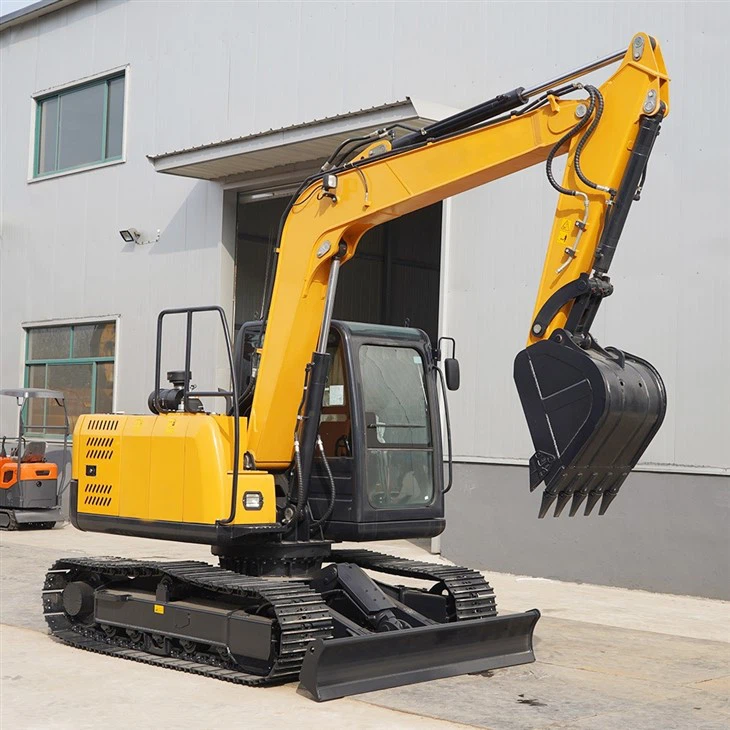
Excavators are heavy construction equipment consisting of a boom, arm, bucket, and cab on a rotating superstructure atop an undercarriage with tracks or wheels. These machines are used mainly for digging purposes as well as various lifting and carrying tasks in various applications. Together with special tools such as hydraulic breakers, cutters, shears, grapples, couplers, etc. at the end of the various boom and arm configurations, excavators can complete a wider range of jobs. They vary in size depending on what you're using them for and what you're aiming for, such as productivity, fuel efficiency, and multi-functional purposes. Each size has its own purpose, and some are highly specialized.
Advantages of Shantui For Excavator
Versatility
Excavators are incredibly versatile machines that can handle a wide range of tasks, from digging to demolition. They are equipped with a range of attachments that make it easy to switch between tasks, making them ideal for use in multiple industries.
Efficiency
Excavators are known for their efficiency, and they can handle large amounts of material in a short amount of time. They also have high-powered hydraulic systems that allow them to work quickly and efficiently, reducing the amount of time and labour required for a project.
Power and strength
Excavators are equipped with powerful engines and hydraulic systems, making them strong and capable of handling tough and heavy-duty tasks. They can dig deep into the ground, break down large structures, and move massive amounts of materials.
Precision and control
Excavators are equipped with precision controls and instruments that allow the operator to perform tasks with accuracy and control. They are equipped with joysticks and control panels that make it easy for the operator to manoeuvre the machine and control the attachments.
Improved safety
Excavators are designed to improve safety in the workplace. They are equipped with safety features, such as stability control and emergency shut-off buttons, that help prevent accidents and injuries. Additionally, they reduce the amount of manual labour required, making work processes safer and more efficient.
-
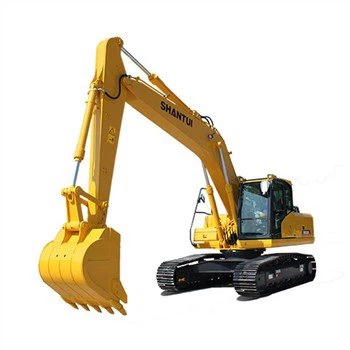 Excavator 22tFuel pump, cab warning light, cab ceiling light, cab overhead protective net, cab front upper protective net, cab front lower protective net, rubber track, narrow barrelAdd to Inquiry
 -
 ShanTui Medium-sized Excavator SE215SE215 Hydraulic ExcavatorProduct IntroductionThe SE215 is a 22.2-ton hydraulic excavator designed for road construction, infrastructure work, agriculture and water conservancy, bridge projects, urbanAdd to Inquiry
 -
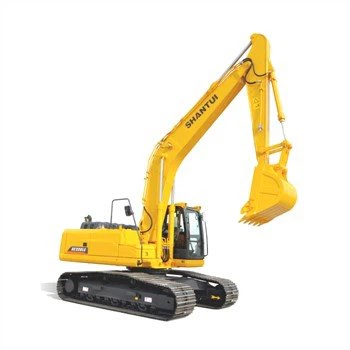 Rent Excavator Se220lcCummins B5.9 six-cylinder engine, national II emission standard, strong power, durable, equipped with a three-level fuel filter system, escort.Add to Inquiry
 -
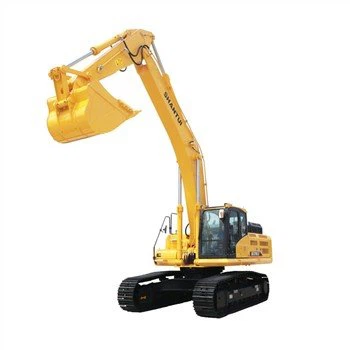 Earthmoving 37 TonThe structure of key parts is fully optimized, and the force-bearing position is strengthened to avoid harsh working conditions.Add to Inquiry
 -
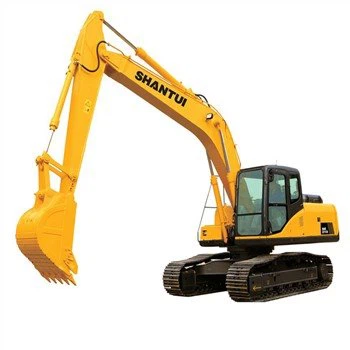 Crawler Excavator 21tonBucket bottom plate, side plate and reinforcement plate are all made of high-strength wear-resistant materials to improve the durability of the bucket.Add to Inquiry


- Tel: +86 537 2934 666
- Fax: +86 537 2934999
- Mobile: +86 150 5376 7299
+86 178 6137 8818 - Email: famous@chinaift.com
- Add: Shantui Industry Park, Jining City, Shandong Province, China
Why Choose US
Our Factory
Famous Machinery Co., Ltd. relies on XCMG, Sany, Shantui and other famous large-scale construction machinery manufacturing enterprises in China. It has independent import and export rights and is a large-scale international trading company specializing in construction machinery and parts.
Main Market
The products are sold in more than 30 domestic provinces and autonomous regions, and exported to more than 170 countries and regions such as Europe, Africa, South America, and Russia. With high-quality products and good reputation, it has won unanimous praise and wide acclaim from domestic and foreign customers, and has made its own contribution to China's machinery manufacturing going to the world.
Product series
Excavation machinery, shovel transport machinery, road machinery, hoisting machinery, mining machinery, concrete machinery, heavy trucks, special vehicles, aerial work platforms, piling machinery, non-excavation machinery, tunnel machinery, environmental protection machinery, fire safety Equipment.
Professional team
Build a first-class team, establish a first-class image, sell first-class products, provide first-class services, and create first-class value. Through the joint efforts of all employees, our team has become a globally trusted service provider of engineering equipment solutions.
Types of excavator




Crawler excavators
Also known as general-purpose excavators, they have a bucket, boom, and arm to the front of the machine. This kind comes in a variety of sizes. It's an all-around excavator which means it can be used to dig sites, demolish structures and surfaces, carry out trenching, and lift heavy objects.
Wheeled excavators
Wheeled excavators are general-purpose excavators. The main difference is that instead of running on tracks, they run on wheels. An advantage of a wheeled excavator is that it can be driven from one job site to another even on a road, while crawler excavators running on tracks are usually carried on a trailer for long-distance travel. This way is much more convenient, and it saves more time and cost for the company.
Short swing radius excavators
This is one more variation on a general-purpose excavator, with the same level of performance and usage but a short swing radius superstructure, which offers many benefits in urban and confined areas. Both crawler and wheeled types are available.
Long-reach excavators
Long reach excavators are the last general-purpose excavators in our series. These machines have an extended boom and arm which give a longer working range for tasks quite away from the machine that is hard to reach such as underwater digging, deep trenching, and the location of utility pipes at such a depth as to resist freezing temperatures.
Backhoe loaders
Another machine that you would commonly see on construction sites is the backhoe loader. It is also often used for landscaping and mining. A large bucket or blade is attached to the front of the machine and a boom, arm, and bucket at the back. The bucket or blade of the backhoe loader is used to level or push surfaces with miles of materials such as soil. The boom and arm at the back have the same purpose as a general-purpose excavator, but instead of being able to rotate 360 degrees, it only rotates about 205 degrees.
Applications of Excavator
Construction
Excavators are essential in construction projects, from digging foundations and trenches to removing materials and debris from construction sites. They can quickly and efficiently handle large amounts of earth and rock, making construction processes faster and easier.
Demolition
Excavators are also commonly used in demolition projects. They are equipped with powerful hydraulic systems that can easily break down buildings, walls, and other structures. They can also be used to remove debris and rubble from the demolition site.
Landscaping
Excavators are also useful in landscaping projects. They can be used to dig and grade land, removing excess earth and rocks to create a smooth and level surface. They can also be used to dig ponds and lakes, as well as to create retaining walls and other landscaping features.
Mining
Excavators are used in mining projects to dig and remove materials, including minerals, coal, and other valuable resources. They can work in tough environments, making them ideal for use in mining operations.
Drilling
Excavators are also used in drilling projects, especially in the oil and gas industries. They can be equipped with drilling equipment to dig and extract resources from the ground.
Components of Excavator
Track chains
Track chains are a crucial component excavators. It consists of an interconnected metal links fastened together to create a continuous track which provides required traction or machine movement at site. These links are typically made from high-strength steel and are designed to withstand the significant stresses and strains generated when these excavators operate on uneven or rocky terrains.
Idler
An idler is a component of excavators used to support and guide the track chain. It is typically located at the front side of the machine and is responsible for maintaining the track tension, which helps to reduce wear & tear and extends the lifespan of the track chain. The idler consists of a stationary wheel that rotates on a stationary axle, and it is designed to maintain a constant distance between the track chain and the ground.
Travel motor
The travel motor is a critical component of an excavator that enables it to move from one location to another. It is a hydraulic motor mounted directly onto the final drive and utilizes hydraulic system flow to drives the tracks and provides mobility to the machine. The travel motor receives hydraulic fluid from the machine's hydraulic system and converts the pressure into rotational force, which drives the tracks forward or backwards. The motor is designed to withstand the significant stresses and strains generated when the excavator operates on challenging terrain.
Cabin
The cabin in an excavator is the enclosed operator compartment where the operator sits to control and operate the machine. The cabin is typically designed to provide a comfortable and safe working environment for the operator, with features such as air conditioning, heating, vibrations and sound insulation to to significantly improve operator comforts & productivity. The cabin is also equipped with a variety of controls like the digital cluster, music system, charging support, ac, safety controls etc. To enable high performance & operating convenience.
Counterweight
The counterweight in an excavator is a heavy metal component that is mounted at the rear of the machine to balance the weight of the machine & provides safe & stable working environment while working. The counterweight is typically made from cast iron or steel and can weigh several tons, depending on the size and weight of the machine. The counterweight is designed to offset the weight of the excavator's boom, arm, and bucket when they are extended and in use, which helps to maintain the machine's stability and prevent it from tipping over.
Engine
The engine is the heart of an excavator, providing the power necessary to operate the machine's hydraulic system, tracks, and other components. The engine is typically located in the rear of the excavator, and it is often a diesel engine that is designed to provide high torque and power output with low fuel consumption. The engine is connected to the hydraulic system, which provides the force necessary to operate the machine's boom, arm, and bucket.
Main control valves (mcv)
The main control valve or mcv is a critical component of the hydraulic system in an excavator, controlling the flow and direction of hydraulic fluid to the various hydraulic aggregates such as cylinders, motors & valves that power the machine's movements. The main control valve is located near the hydraulic pump, which pressurizes the fluid before it enters the valve. The valve consists of multiple spools that direct the flow of hydraulic fluid to the various hydraulic circuits, allowing the operator to precisely control the machine's movements.
Boom
The boom is a critical component of an excavator, that extends outward from the machine's main body and is used to lift and move heavy objects. The boom is typically mounted on a pivot point at the machine's base and is operated by hydraulic cylinders that extend and retract to control the boom's movement.
Arm
The arm is another critical component of an excavator, consisting of a telescoping or fixed-length structure that extends from the boom and is used to control the machine's bucket or other attachments. The arm is typically operated by hydraulic cylinders that control its movement, allowing the operator to reach and move materials with precision. The length and shape of the arm can vary depending on the type of excavator and the intended use of the machine.
Bucket
The bucket is an essential attachment for an excavator, used for digging, scooping, loading and unloading materials such as soil, debris, or rocks. Buckets come in various shapes and sizes, depending on the type of excavation work and the materials being moved. The bucket is typically attached to the arm of the excavator and operated by hydraulic cylinders that control its movement, allowing the operator to dig and move materials with precision.
How to Choose the Right Excavator
Engine power
Operating weight
Lifting capacity
Worksite conditions/ application
Such factors will help you choose the correct excavator without hampering the efficiency of your operations.
Bucket capacity
Hydraulic attachments
Budget
8 Safety Tips for Excavator
Understand your excavator
If you want to stay safe and operate the excavator effectively, it's important to understand the machine you are handling. Reading the operator's manual also helps.
Examine the controls
While you may have had training in excavator operation, every machine is different so make sure you get to know each part of the machine well and learn the controls effectively.
Don't ignore obvious signs
A slight screech or jolt or anything out of the ordinary should be checked out at the earliest. This can avoid major mishaps and maintaining heavy equipment safety.
Keep it clean
Maintenance isn't only about the maintenance of the internal machinery, but about the outsides as well. The cleaner you keep the machine, the better it will perform. The machines hydraulic oil should be changed regularly. This should ideally be between the 2000 and 4000-hour mark. Refer to the equipment operator's manual for scheduled maintenance intervals.
Use the right brand
Always use a hydraulic oil brand that is recommended by the manufacturer of the excavator. This helps to keep it healthier. In addition to voiding the manufacturer's warranty, the wrong hydraulic oil could have incorrect viscosity and will cause the excavator to malfunction, overheating, or unplanned breakdowns.
Plan your execution
Once you know what needs to get done, plan your route, and how you will go about your day step by step.
Start right
Before you begin the excavator, ensure you clean the glass of the cab properly so you have a clear vision of what you are dealing with.
Three-point method
Always use the three-point method when climbing in or getting out of the cab. This means to keep both hands and one foot or two feet and one hand in constant contact with the machine as you move the other limb.
How to Maintain Excavator
Maintain and clean your undercarriage
Working in dirty, muddy terrains can cause undercarriage buildup. Clean your undercarriage routinely to remove dirt and debris, and prevent unnecessary wear to your excavator. When inspecting your undercarriage, look for damaged or missing pieces, and oil leaks.
Check your tracks
Check to see that your tracks have the right tension. Tracks that are too loose or too tight can result in excess wear to tracks, chains and sprockets.
Change out your air and fuel filters
While operating your excavator outdoors, debris can accumulate in your machine's air, fuel and hydraulic filters. Regularly cleaning and changing out your filters can help your excavator run its best for longer.
Monitor fluid levels
On a daily basis, check to see that all fluid levels are at their recommended levels. Check engine oil and hydraulic oil levels prior to operating your excavator to ensure it's working well throughout the day.
Drain water separator
As excavators sit outdoors overnight, condensation can often build up in the engine. To prevent corrosion from trapped water becoming steam, drain your water separator daily.
FAQ
Q: What is the difference between backhoe and excavator?
Q: What is the difference between a forklift and an excavator?
Q: What is the most used excavator?
Q: Is an excavator a loader?
Q: How does excavator work?
Q: How are excavators sized?
Q: How does an excavator lever work?
Q: How far can an excavator dig?
Q: How deep is a excavator?
Q: Do excavators have gears?
Q: What is the most common excavator controls?
Q: What are the benefits of excavators?
Q: What are the capabilities of an excavator?
Q: What is the useful life of an excavator?
Q: What is the objective of excavator?
Q: How are excavators so strong?
Q: What are excavator used for?
Q: What is the use of excavator in demolition?
Q: How do you take care of an excavator?
Q: How long should you let an excavator warm up?
Famous Machinery Co., Ltd. is one of the leading shantui for excavator manufacturers and suppliers in China. We warmly welcome you to buy discount shantui for excavator for sale here from our factory. All machines are with high quality and competitive price. For more cheap products, contact us now.
rent excavator se220lc, excavator 22t manufacturers, excavator 22t factory