

Hey there! As a road roller supplier, I know how crucial fuel efficiency is for both your budget and the environment. In this blog, I'm gonna share some practical tips on how to improve the fuel efficiency of a road roller.
1. Regular Maintenance
First off, regular maintenance is key. Just like your car, a road roller needs proper care to run efficiently. Make sure to change the engine oil at the recommended intervals. Old oil can cause more friction in the engine, which means it has to work harder and use more fuel. Also, keep an eye on the air filters. A clogged air filter restricts the airflow to the engine, making it burn fuel less efficiently. You should clean or replace the air filters regularly, especially if you're working in dusty conditions.
Another important part of maintenance is checking the tire pressure. Under - inflated tires increase the rolling resistance of the road roller. When the rolling resistance goes up, the engine has to use more power to move the machine, and that means more fuel consumption. So, make sure to check the tire pressure before each use and keep it at the recommended level.
2. Operator Training
The operator plays a huge role in fuel efficiency. A well - trained operator can significantly reduce fuel consumption. Teach your operators to avoid unnecessary idling. Idling for long periods just burns fuel without getting any work done. If the road roller is going to be stationary for more than a couple of minutes, it's better to turn off the engine.
Also, operators should be trained to use the right gear at the right time. Using a lower gear than necessary can cause the engine to work harder and consume more fuel. On the other hand, using a higher gear when the load is too heavy can also lead to inefficient fuel use. Encourage operators to shift gears smoothly and anticipate the work ahead to use the most appropriate gear.
3. Optimize Worksite Operations
The way you plan and execute operations at the worksite can have a big impact on fuel efficiency. Try to minimize the distance the road roller has to travel. Plan your work in a way that the roller can cover the required area in the most efficient path. For example, if you're compacting a large area, use a systematic pattern like a parallel or a criss - cross pattern to avoid unnecessary back - and - forth movements.
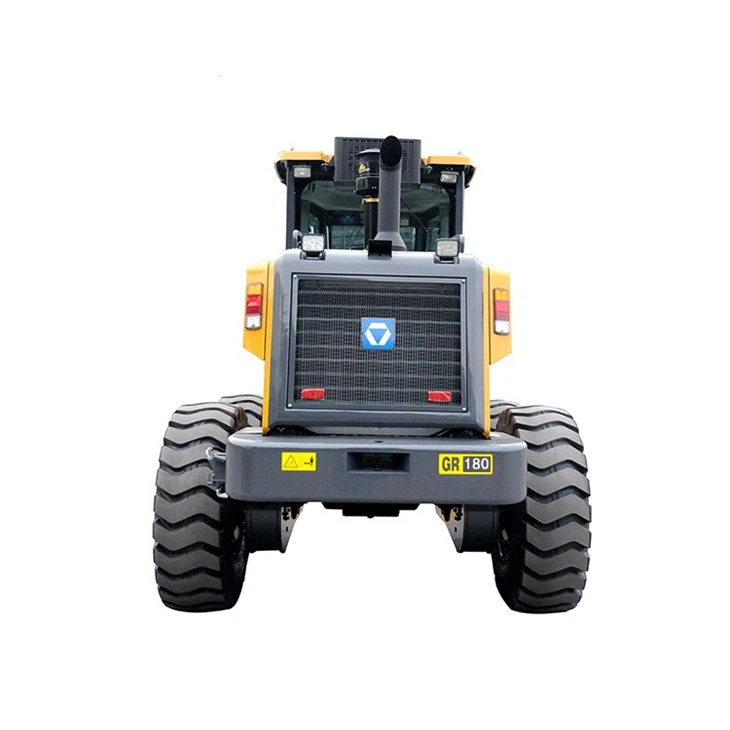
Also, coordinate with other equipment on the worksite. If there are other machines like Ride - on Roller or Ride - on Motor Grader working in the same area, make sure they're not getting in each other's way. This can prevent the road roller from having to stop and start frequently, which saves fuel.
4. Upgrade to Fuel - Efficient Models
If your road roller is old, it might be time to consider an upgrade. Newer models are often designed with better fuel - saving technologies. For example, some modern road rollers use advanced engine management systems that can adjust the fuel injection based on the load and operating conditions. This ensures that the engine is using just the right amount of fuel at all times.
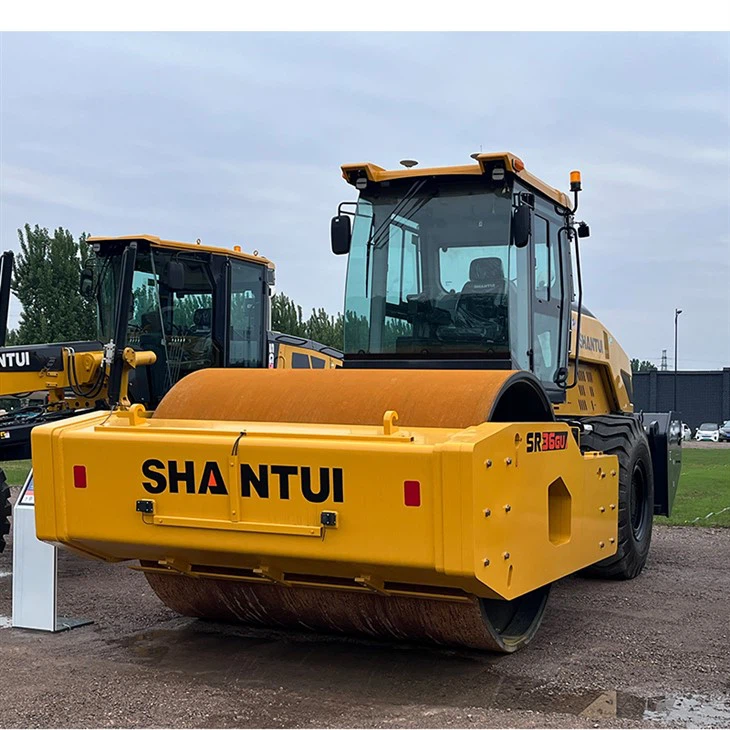
There are also Hydraulic Drive Roller models available that offer better fuel efficiency compared to traditional mechanical drive rollers. Hydraulic drive systems can transfer power more efficiently, reducing the amount of energy lost in the transmission process.
5. Monitor and Analyze Fuel Consumption
Keep track of your road roller's fuel consumption. You can use a fuel monitoring system to record how much fuel is being used during each operation. Analyze this data to identify any patterns or areas where fuel consumption can be reduced. For example, if you notice that fuel consumption is higher during a particular type of job, you can investigate why and take corrective actions.
You can also compare the fuel consumption of different road rollers in your fleet. This can help you identify which models are more fuel - efficient and make better decisions when it comes to future purchases or equipment allocation.
6. Use High - Quality Fuel and Lubricants
Using high - quality fuel and lubricants can also improve fuel efficiency. High - quality fuel burns more cleanly and efficiently, which means the engine can get more power out of each drop of fuel. Similarly, good lubricants reduce friction in the engine and other moving parts, allowing the machine to operate more smoothly and use less fuel.
Don't be tempted to use cheap, low - quality fuel or lubricants. In the long run, the savings from using high - quality products will outweigh the initial cost.
7. Reduce Excess Weight
Carrying unnecessary weight on the road roller can increase fuel consumption. Make sure to remove any tools, equipment, or debris that are not needed for the job. Even a small amount of extra weight can make a difference, especially if you're working on a long - term project.
Conclusion
Improving the fuel efficiency of a road roller is a combination of proper maintenance, operator training, worksite optimization, and using the right equipment. By following these tips, you can save money on fuel costs, reduce your environmental impact, and get more out of your road roller.
If you're interested in learning more about fuel - efficient road rollers or are looking to purchase a new one, feel free to reach out. We're here to help you find the best solution for your needs.
References
- SAE International. (20XX). "Fuel Efficiency Best Practices for Construction Equipment."
- Construction Equipment Guide. (20XX). "Tips to Improve Road Roller Fuel Efficiency."


