

Hey there! I'm with a forklift supply company, and today I want to spill the beans on how to load and unload a truck using a forklift. It's not just about moving stuff around; it involves safety, efficiency, and a bit of finesse. Let's dive right in!
Pre - operation Checks
Before you even think about firing up that forklift, you've got to do a thorough pre - operation check. You don't want to be halfway through the job when something goes wrong.
First off, check the forklift itself. Inspect the tires for any signs of wear and tear, like cuts or low pressure. A flat tire can really put a damper on your day! Look at the mast and the forks. Make sure the forks are straight and undamaged. You wouldn't want to try to lift a heavy load with bent forks, that's for sure.
Check the hydraulic system too. There should be no leaks in the hoses. If you notice any fluid on the ground under the forklift, it's a red flag. The controls are also crucial. Test the steering, the lift, and the tilt functions to make sure everything is working smoothly.
Now, let's talk about the truck. Position the truck on a flat, stable surface. If it's on an uneven surface, it could tip over when you're loading or unloading, and that's a major safety hazard. Make sure the truck is properly parked and the brakes are engaged. Also, check the truck's bed for any debris or obstructions that could interfere with the forklift's movement.
Loading a Truck with a Forklift
When you're loading a truck, organization is key. Start by planning out how you're going to stack the goods in the truck. If you're dealing with different types of products, group them according to their size, weight, and fragility.
First, approach the load with the forklift. Slowly drive up to it, making sure the forks are at the right height. They should be just a few inches off the ground. Slide the forks under the load evenly. You don't want one side to be heavier than the other, or the load could shift and fall.
Once the forks are fully under the load, tilt the mast slightly backward. This helps to keep the load stable while you're lifting it. Then, use the lift controls to raise the load off the ground to a suitable height. You don't need to lift it too high, just enough to clear any obstacles on the way to the truck.
When you're driving towards the truck, go slowly and steadily. Keep an eye on your surroundings and make sure there are no people or other vehicles in your path. Once you're at the truck, align the forklift with the truck's bed. Back up slightly if you need to get a better angle.
Slowly drive the forklift into the truck, making sure to place the load where you've planned it. Lower the load gently onto the truck bed. Then, tilt the mast forward a bit to release the load from the forks. Withdraw the forks carefully, making sure not to hit the load or the sides of the truck.
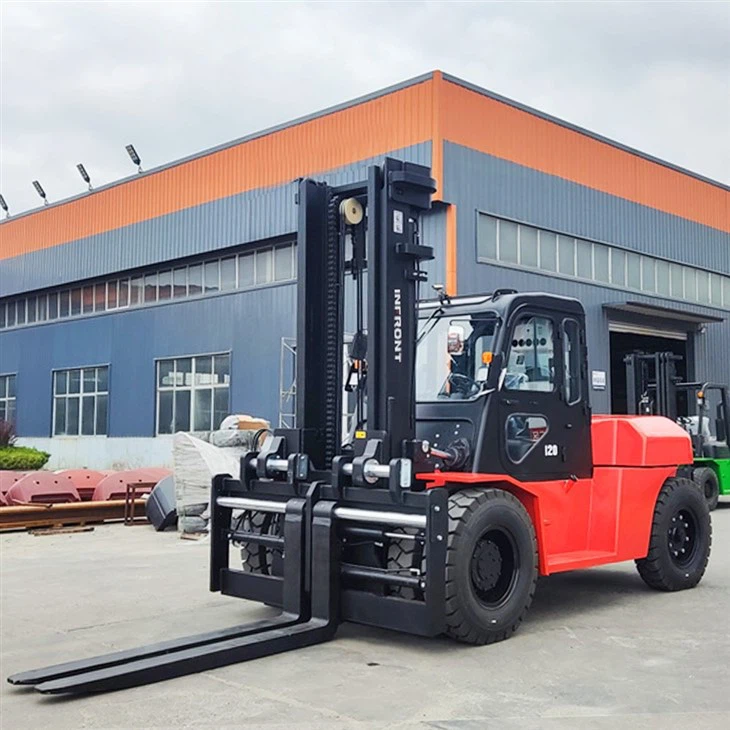
If you're loading multiple items, you can stack them safely. Make sure the bottom layer is stable and can support the weight of the upper layers. You might want to use Diesel Forklift for heavier loads. Diesel forklifts provide more power and are great for continuous, heavy - duty work.
Unloading a Truck with a Forklift
Unloading is just as important and requires a similar level of caution. When you approach the truck to unload, again, make sure it's parked safely and the brakes are on.
Drive the forklift into the truck, positioning it next to the load. Tilt the mast forward slightly and slide the forks under the load. Make sure the forks are fully inserted and evenly distributed under the load.
Tilt the mast backward to secure the load on the forks. Lift the load off the truck bed slowly. Keep an eye on the load to make sure it doesn't shift.
Back the forklift out of the truck carefully. Remember to go slowly and watch for any obstacles inside the truck or on your way out. Once you're clear of the truck, drive the forklift to the designated unloading area.
Lower the load gently onto the ground. Make sure it's stable and won't tip over. Then, tilt the mast forward and withdraw the forks.
If you're dealing with really heavy loads, a 5 Ton Forklift Fork Side Shift can be a game - changer. The side - shift feature allows you to adjust the position of the forks without having to move the entire forklift, which can be super handy when unloading in tight spaces.
Safety Considerations
Safety should always be your top priority when using a forklift to load and unload a truck. Wear the appropriate safety gear, like a hard hat, safety shoes, and high - visibility clothing.
Never exceed the forklift's load capacity. Each forklift has a specified maximum weight it can carry, and going over that can lead to the forklift tipping over.
Keep a safe distance from the edges of the truck bed. If you're too close, there's a risk of the forklift falling off the side.
When turning with a load, do it slowly. A sharp turn can cause the load to shift and throw the forklift off balance.
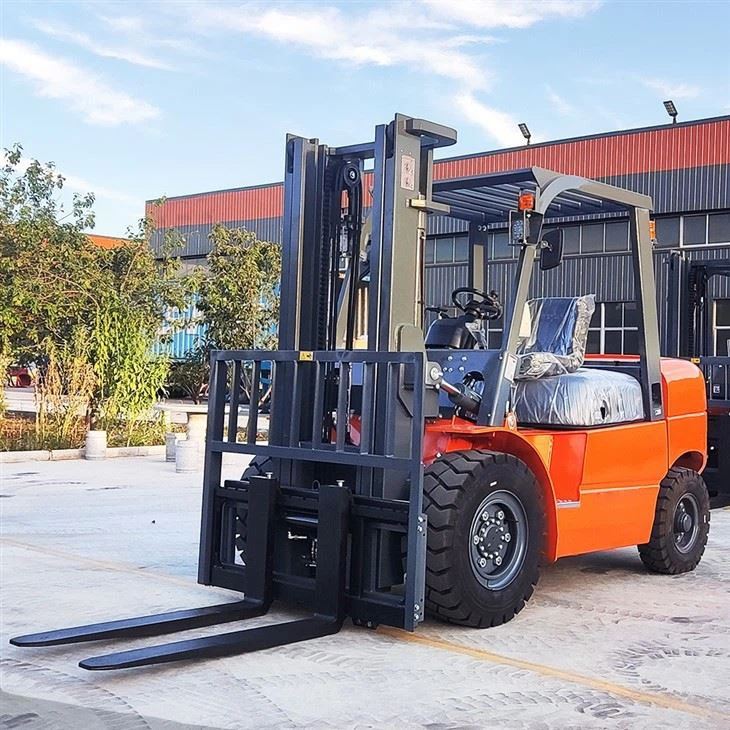
For off - road applications, you might consider an Internal Combustion Off - road Forklift. These forklifts are designed to handle rough terrain and can be very useful if you're loading or unloading trucks in outdoor, non - paved areas.
Wrapping Up and Reaching Out
So there you have it, the ins and outs of loading and unloading a truck with a forklift. As a forklift supplier, we've got a wide range of forklifts to meet your different needs. Whether you need a diesel forklift for heavy - duty work, a 5 - ton forklift with fork side - shift for precision, or an off - road forklift for outdoor jobs, we've got you covered.
If you think our forklifts could be a great fit for your business, don't hesitate to reach out and start a conversation about your procurement needs. We're here to help you find the right equipment and make your loading and unloading operations as smooth as possible.
References
- Forklift Operator's Manuals
- Occupational Safety and Health Administration (OSHA) Guidelines on Forklift Operations
- Industry Best Practices for Forklift Loading and Unloading


