

As a supplier of Sany for Excavators, I've encountered a wide range of issues that customers often face with these powerful machines. In this blog, I'll share some practical tips on how to troubleshoot common problems in Sany excavators, ensuring that your construction projects run smoothly and efficiently.
Engine Starting Problems
One of the most common issues with Sany excavators is difficulty starting the engine. This can be caused by several factors, including a dead battery, a faulty starter motor, or fuel delivery problems.
Dead Battery
The first thing to check when the engine won't start is the battery. A dead or weak battery can prevent the starter motor from turning the engine over. To check the battery, use a voltmeter to measure the voltage across the battery terminals. A fully charged battery should read around 12.6 volts. If the voltage is significantly lower, the battery may need to be recharged or replaced.
Make sure the battery terminals are clean and tightly connected. Corroded or loose terminals can prevent the battery from delivering power to the starter motor. You can clean the terminals with a wire brush and a solution of baking soda and water.
Faulty Starter Motor
If the battery is in good condition, the next step is to check the starter motor. A faulty starter motor can fail to engage or turn the engine over. Listen for a clicking sound when you turn the key in the ignition. If you hear a clicking sound but the engine doesn't start, it could indicate a problem with the starter motor solenoid.
You can also try tapping the starter motor gently with a hammer while someone else tries to start the engine. Sometimes, a stuck solenoid can be freed up by a gentle tap. If the starter motor still doesn't work, it may need to be replaced.
Fuel Delivery Problems
Fuel delivery problems can also cause starting issues. Check the fuel level in the tank to make sure it's not empty. If the fuel level is low, fill the tank with clean diesel fuel.
Inspect the fuel filter for clogs or damage. A clogged fuel filter can restrict the flow of fuel to the engine, preventing it from starting. Replace the fuel filter if it's dirty or damaged.
Check the fuel lines for leaks or blockages. A leak in the fuel line can cause a loss of pressure, preventing the fuel from reaching the engine. You can use a fuel pressure gauge to check the fuel pressure at the fuel injector. If the fuel pressure is too low, there may be a problem with the fuel pump or a blockage in the fuel line.
Hydraulic System Problems
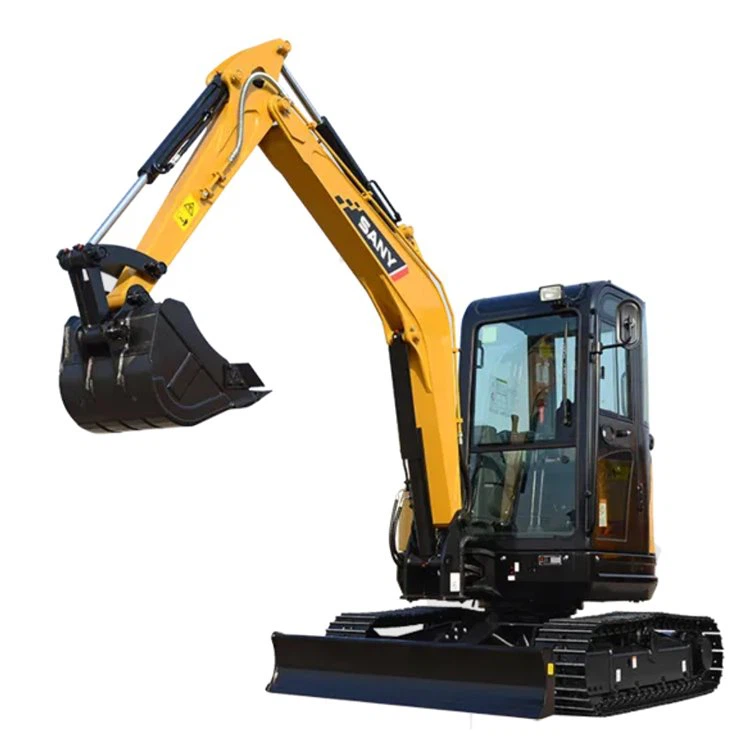
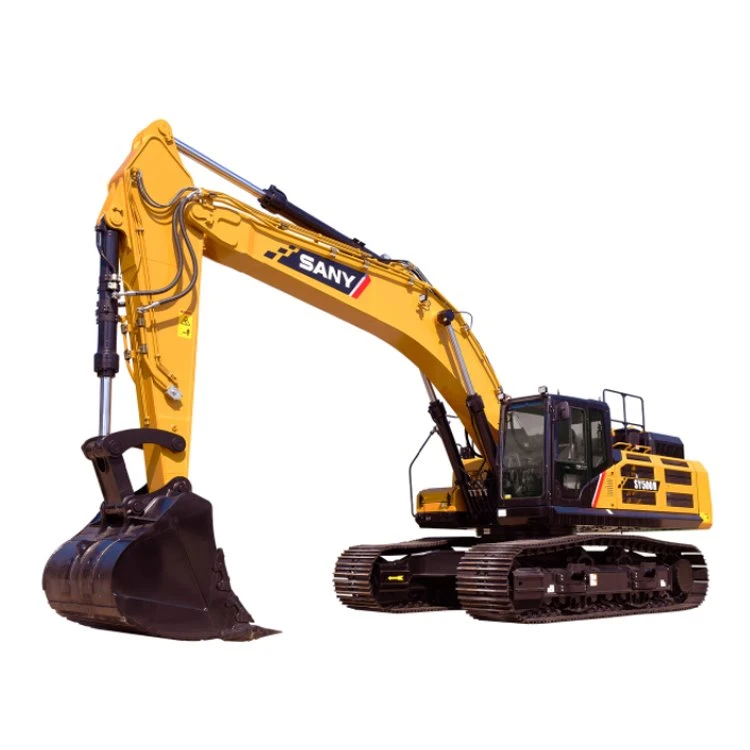
The hydraulic system is a critical component of a Sany excavator, responsible for powering the boom, arm, and bucket. Hydraulic system problems can cause a loss of power, slow operation, or leaks.
Low Hydraulic Fluid Level
One of the most common hydraulic system problems is a low fluid level. Check the hydraulic fluid reservoir regularly to make sure the fluid level is within the recommended range. If the fluid level is low, add the appropriate type of hydraulic fluid to the reservoir.
Inspect the hydraulic hoses and connections for leaks. A leak in the hydraulic system can cause a loss of fluid and pressure, resulting in reduced performance. You can use a hydraulic leak detector to identify the source of the leak. If you find a leak, replace the damaged hose or connection.
Contaminated Hydraulic Fluid
Contaminated hydraulic fluid can also cause problems in the hydraulic system. Over time, dirt, debris, and water can enter the hydraulic fluid, causing wear and damage to the hydraulic components.
Change the hydraulic fluid and filter at the recommended intervals to prevent contamination. You can also use a hydraulic fluid analyzer to check the condition of the hydraulic fluid. If the fluid is contaminated, it should be replaced immediately.
Faulty Hydraulic Pump
A faulty hydraulic pump can cause a loss of power in the hydraulic system. The hydraulic pump is responsible for generating the pressure needed to operate the hydraulic cylinders. If the pump is not working properly, the hydraulic system may not be able to lift or move the boom, arm, or bucket.
Listen for unusual noises coming from the hydraulic pump. A whining or grinding noise can indicate a problem with the pump. You can also check the hydraulic pressure at the pump outlet using a pressure gauge. If the pressure is too low, there may be a problem with the pump. If the pump is faulty, it may need to be repaired or replaced.
Electrical System Problems
The electrical system in a Sany excavator is responsible for powering the lights, gauges, and other electrical components. Electrical system problems can cause a variety of issues, including dim lights, malfunctioning gauges, or a complete loss of power.
Blown Fuses
Blown fuses are a common electrical system problem. Fuses are designed to protect the electrical components from damage caused by overloading or short circuits. If a fuse blows, it will cut off the power to the affected component.
Check the fuse box regularly to make sure all the fuses are intact. If you find a blown fuse, replace it with a fuse of the same amperage rating. Make sure to use the correct type of fuse for the specific circuit.
Loose or Corroded Connections
Loose or corroded electrical connections can also cause problems in the electrical system. Check all the electrical connections in the excavator, including the battery terminals, starter motor connections, and wiring harnesses. Make sure the connections are clean, tight, and free of corrosion.
You can clean the electrical connections with a wire brush and a solution of baking soda and water. Apply a thin layer of dielectric grease to the connections to prevent corrosion.
Faulty Alternator
The alternator is responsible for charging the battery and powering the electrical system while the engine is running. A faulty alternator can cause the battery to discharge, resulting in a loss of power to the electrical components.
Check the battery voltage while the engine is running. If the voltage is below 13 volts, the alternator may not be charging the battery properly. You can also listen for a whining noise coming from the alternator, which can indicate a problem with the bearings or the belt. If the alternator is faulty, it may need to be replaced.
Cooling System Problems
The cooling system in a Sany excavator is responsible for keeping the engine at the proper operating temperature. Cooling system problems can cause the engine to overheat, which can lead to serious damage.
Low Coolant Level
Check the coolant level in the radiator regularly to make sure it's within the recommended range. If the coolant level is low, add the appropriate type of coolant to the radiator. Make sure to use a 50/50 mixture of coolant and water.
Inspect the coolant hoses and connections for leaks. A leak in the cooling system can cause a loss of coolant and overheating. You can use a pressure tester to check the coolant system for leaks. If you find a leak, replace the damaged hose or connection.
Clogged Radiator
A clogged radiator can restrict the flow of coolant, causing the engine to overheat. Inspect the radiator fins for dirt, debris, and bugs. You can use a radiator brush or a compressed air gun to clean the radiator fins.
Check the radiator cap to make sure it's in good condition. A faulty radiator cap can cause a loss of pressure in the cooling system, resulting in overheating. Replace the radiator cap if it's damaged or not sealing properly.
Faulty Water Pump
The water pump is responsible for circulating the coolant through the engine and the radiator. A faulty water pump can cause a loss of coolant flow, resulting in overheating.
Listen for unusual noises coming from the water pump. A whining or grinding noise can indicate a problem with the pump bearings. You can also check the coolant flow by feeling the radiator hoses while the engine is running. If the hoses are cold, there may be a problem with the water pump. If the water pump is faulty, it may need to be replaced.
Conclusion
Troubleshooting common problems in Sany excavators requires a systematic approach and a basic understanding of the machine's components. By following the tips outlined in this blog, you can identify and resolve many of the most common issues that can occur with Sany excavators.
If you're experiencing problems with your Sany excavator that you're unable to resolve on your own, don't hesitate to contact us. As a trusted supplier of Excavator 15 Ton, Excavator 3.78 T Sy35u, and Sany for Large Excavator, we have the expertise and resources to help you get your excavator back up and running quickly.
Whether you need parts, repairs, or technical support, we're here to assist you. Contact us today to discuss your needs and learn more about how we can help you keep your Sany excavator in top condition.
References
- Sany Excavator Operator's Manual
- Hydraulic System Maintenance Guide
- Electrical System Troubleshooting Handbook


