

Hey there! As an excavator supplier, I've had my fair share of experiences with different types of excavators, including long - reach excavators. These machines are pretty amazing, offering extended reach that's super useful in many construction and earth - moving projects. But like any piece of equipment, they come with their limitations. Let's dive into what those are.
Mobility Constraints
One of the big limitations of long - reach excavators is their mobility. These machines are designed to have an extended arm, which means they're often bulkier and heavier compared to standard excavators. This extra weight and size can make them a real pain to move around.
For example, if you're working on a job site that's full of tight spaces or has uneven terrain, a long - reach excavator might struggle. The long arm can get in the way, and the machine's large turning radius makes it difficult to maneuver. In contrast, a Wheeled Excavator is generally more mobile and can easily move around on flat surfaces. But with a long - reach excavator, you might find yourself spending a lot of time repositioning the machine just to get to the right spot.
Another aspect of mobility is transportation. Long - reach excavators can be a hassle to transport from one job site to another. They often require special trailers and permits because of their size and weight. This not only adds to the cost but also takes more time to arrange. It's not like you can just hook up a small Large Crawler Excavator and move it down the road. You've got to plan everything out in advance.
Reduced Lifting Capacity
The long reach of these excavators comes at a cost, and that cost is reduced lifting capacity. The further the arm extends, the less weight it can lift. This is due to the principles of physics. As the distance from the pivot point (the base of the excavator) increases, the mechanical advantage decreases.
Let's say you're working on a project where you need to lift heavy materials, like large rocks or concrete blocks. A standard excavator might be able to handle the load without a problem, but a long - reach excavator might struggle, especially if you need to reach far out. You might find yourself having to make multiple trips to move the same amount of material that a shorter - arm excavator could move in one go.
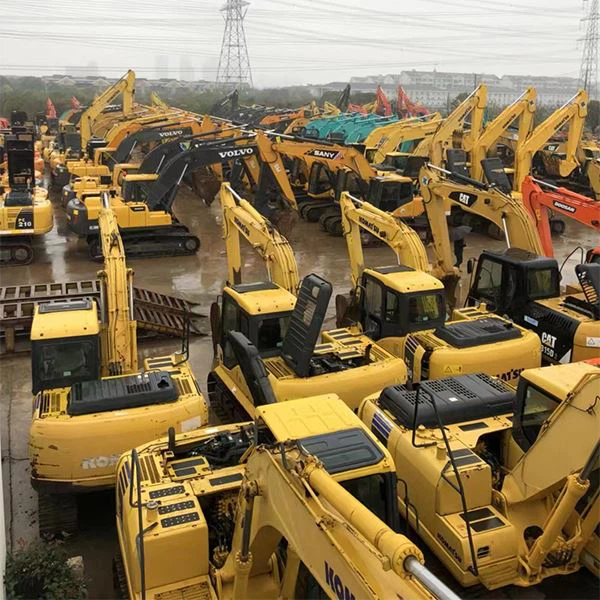
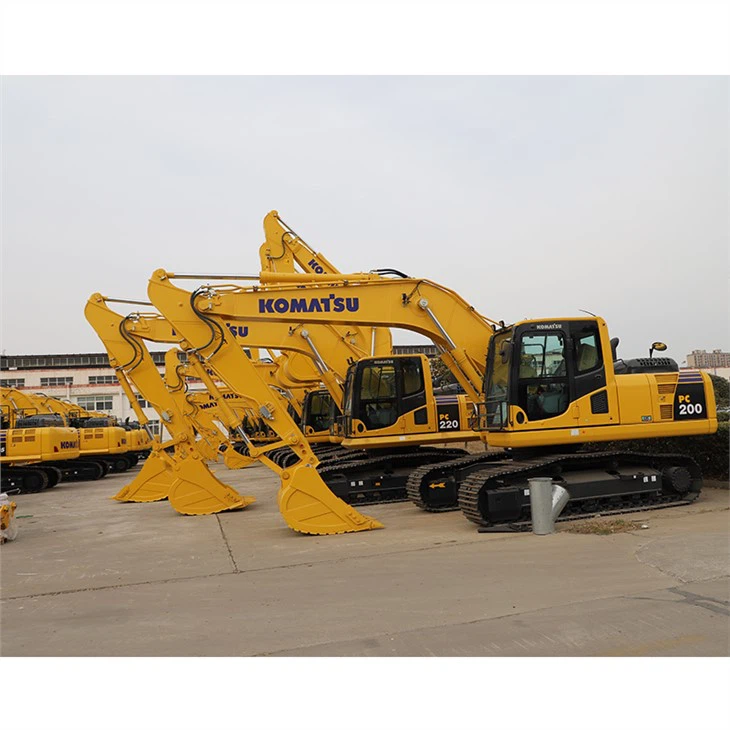
This reduced lifting capacity also affects the types of jobs a long - reach excavator can do. For example, in mining operations, where you often need to move large amounts of heavy ore, a Mine Hydraulic Excavator with a shorter but more powerful arm might be a better choice. Long - reach excavators are more suited for lighter tasks, like dredging or reaching over obstacles to dig.
Stability Issues
Stability is a major concern with long - reach excavators. The extended arm creates a higher center of gravity, which makes the machine more prone to tipping over. This is especially true when the excavator is working on uneven ground or when the arm is fully extended.
To counteract this, long - reach excavators often have large outriggers or stabilizers. But even with these, there are still limits to how stable the machine can be. If the ground conditions are poor, like soft soil or mud, the excavator might sink or become unstable. This can not only damage the machine but also pose a serious safety risk to the operator and anyone nearby.
In addition, when the long - reach excavator is making quick movements or sudden stops, the inertia from the extended arm can cause the machine to sway. This makes it difficult for the operator to control the machine precisely and can lead to inaccurate digging or lifting.
Higher Maintenance Requirements
Long - reach excavators have more complex mechanical and hydraulic systems compared to standard excavators. The extended arm has more moving parts, which means there are more things that can go wrong. This leads to higher maintenance requirements.
The hydraulic hoses and cylinders in the long arm are under more stress because of the extended reach. They are more likely to develop leaks or fail over time. The joints in the arm also experience more wear and tear, and they need to be regularly inspected and lubricated.
Moreover, the additional weight and stress on the undercarriage of the long - reach excavator can cause more rapid wear on the tracks or wheels. This means more frequent replacement of these components, which adds to the overall cost of ownership.
Limited Working Angles
The long - reach design also limits the working angles of the excavator. Because of the length of the arm, it can be difficult to reach certain areas close to the machine. The arm might get in the way, preventing the bucket from digging or lifting in those areas.
For example, if you need to dig a trench right next to the excavator, a long - reach excavator might not be able to get the bucket close enough to the machine. You might end up having to use a different piece of equipment to finish the job. This can slow down the overall progress of the project and increase the complexity of the work.
Environmental Sensitivity
Long - reach excavators are more sensitive to environmental conditions compared to other types of excavators. The extended arm can be affected by wind. Strong winds can cause the arm to sway, making it difficult for the operator to control the machine accurately.
In addition, in areas with extreme temperatures, the hydraulic fluids in the long - reach excavator might thicken or thin out, affecting the performance of the machine. Cold temperatures can make the hydraulic system less responsive, while high temperatures can cause the fluids to break down more quickly.
Cost
Last but not least, long - reach excavators are generally more expensive than standard excavators. The additional engineering and materials required to build the extended arm and the more complex systems drive up the cost.
The higher maintenance requirements also mean higher operating costs over the life of the machine. And as mentioned earlier, the transportation costs are also significant. All these factors make the long - reach excavator a more expensive option for many contractors.
Despite these limitations, long - reach excavators still have their place in the construction and earth - moving industry. They are great for jobs where extended reach is essential, like river dredging, demolition of tall buildings, or reaching over obstacles. But it's important to be aware of their limitations before making a purchasing decision.
If you're considering buying a long - reach excavator or any other type of excavator, I'd be more than happy to discuss your needs and help you find the right machine for your project. Just reach out, and we can start a conversation about how to get the best equipment for your job.
References
- Construction Equipment Magazine
- Engineering textbooks on excavator design and mechanics
- Industry reports on excavator usage and limitations


