

What are the modifications needed for an excavator to work underwater?
As a reputable excavator supplier, I've encountered numerous inquiries regarding the adaptations required to transform a standard excavator into a machine capable of operating underwater. The transition from land - based to underwater excavation is not a simple task and demands a series of well - thought - out modifications. In this blog, I'll delve into the key areas that need attention to make an excavator suitable for underwater work.
1. Waterproofing
The most fundamental modification for an underwater excavator is waterproofing. Water is the primary enemy of an excavator's internal components. All electrical systems, including wiring, sensors, and control units, must be thoroughly sealed. Special waterproof gaskets and enclosures are used to prevent water ingress. For example, the engine control unit, which is crucial for the proper functioning of the excavator, needs to be placed in a waterproof container.
The hydraulic system also requires special attention. Hydraulic hoses and fittings are prone to leaks, which can be exacerbated by the water pressure underwater. High - quality, waterproof hydraulic hoses with proper seals are installed. Additionally, the hydraulic cylinders are designed with advanced sealing mechanisms to prevent water from entering and causing corrosion or damage to the internal pistons.
The cab of the excavator must be fully waterproofed as well. This ensures the safety and comfort of the operator, who may need to work in the cab during underwater operations. Special waterproof glass and seals are used around the windows and doors to keep the interior dry.
2. Buoyancy Control
Underwater, an excavator experiences buoyancy forces that can significantly affect its stability and performance. To counteract this, additional ballast may be added to the excavator. Ballast helps to increase the weight of the machine and keep it firmly on the underwater surface. This can be in the form of heavy metal blocks or concrete weights attached to the base of the excavator.
On the other hand, some parts of the excavator may need to be designed to be more buoyant. For example, the boom and arm of the excavator can be made with hollow sections or filled with buoyant materials to reduce the overall weight of these components underwater. This makes it easier for the hydraulic system to move the boom and arm, improving the efficiency of the excavation process.
3. Corrosion Resistance
The underwater environment is highly corrosive due to the presence of saltwater, minerals, and other chemicals. All exposed metal parts of the excavator need to be treated with anti - corrosion coatings. Zinc - based coatings are commonly used as they provide a sacrificial layer that corrodes before the base metal.
Stainless steel can also be used for critical components such as bolts, nuts, and some structural parts. Stainless steel has excellent corrosion resistance properties, which helps to extend the lifespan of the excavator in the harsh underwater environment.
In addition to coatings and materials selection, regular maintenance and inspection are essential to detect and address any signs of corrosion early on. This includes cleaning the excavator after each use to remove any salt or debris that may have accumulated on the surface.
4. Specialized Attachments
Underwater excavation often requires specialized attachments. For example, a hydraulic claw excavator Hydraulic Claw Excavator can be equipped with a more robust and corrosion - resistant claw for grabbing and moving large objects underwater. The teeth of the bucket also need to be designed to withstand the abrasive nature of the underwater soil and rocks.
Some underwater excavations may involve dredging operations. In such cases, a dredging pump attachment can be added to the excavator. The pump can suck up sediment and debris from the underwater surface and transport it to a designated location.
5. Pressure Resistance
As the excavator descends deeper underwater, it is subjected to increasing water pressure. The structural integrity of the excavator must be enhanced to withstand this pressure. The body of the excavator is reinforced with thicker steel plates and additional bracing.
The hydraulic system also needs to be designed to operate under high - pressure conditions. Special high - pressure hydraulic pumps and valves are used to ensure that the hydraulic fluid can be effectively transferred throughout the system, even at great depths.
6. Communication and Monitoring Systems
Underwater, communication and monitoring become more challenging. Specialized communication systems are installed to allow the operator to communicate with the surface team. This can include underwater acoustic communication devices or fiber - optic cables for high - speed data transfer.
Monitoring systems are also crucial to keep track of the excavator's performance and condition. Sensors are placed throughout the machine to measure parameters such as temperature, pressure, and hydraulic fluid levels. This data is transmitted to the surface control center, where engineers can monitor the excavator's health in real - time and take appropriate actions if any issues are detected.
7. Power Supply
Powering an excavator underwater is a complex task. Diesel engines, which are commonly used in land - based excavators, are not suitable for underwater use due to the risk of fuel leaks and the need for air intake. Electric power is often the preferred option for underwater excavators.
Battery - powered systems can be used for shallow - water operations, while for deeper and longer - duration tasks, a power cable can be connected to a surface power source. The power cable needs to be waterproof and able to withstand the water pressure and potential abrasion.
Our Product Range
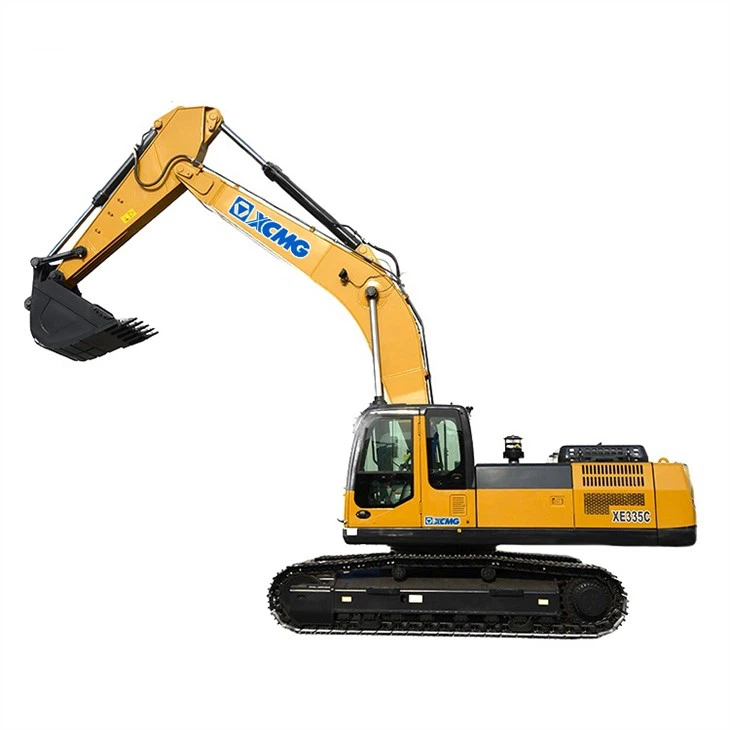
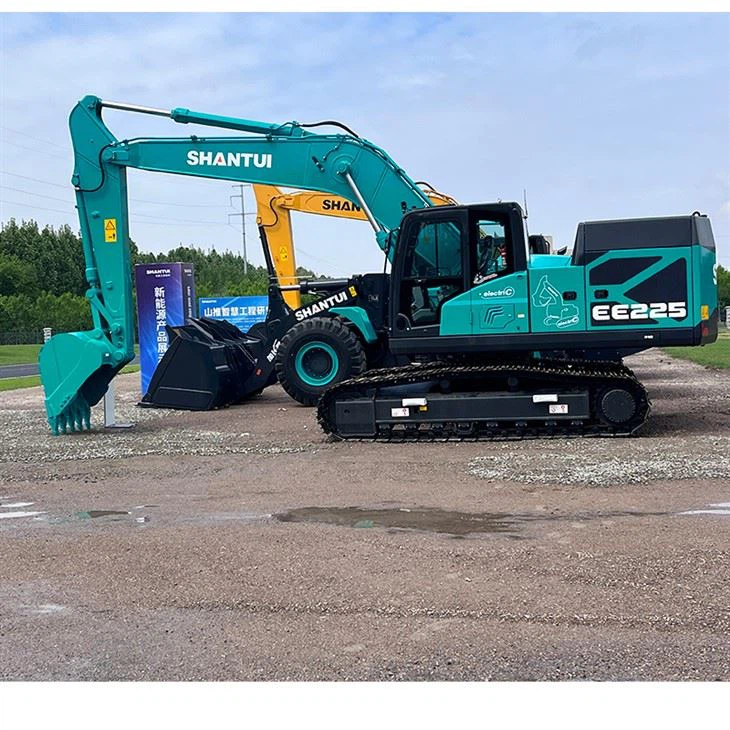
At our company, we offer a wide range of excavators that can be customized for underwater operations. Our Large Engineering Excavator is a powerful machine that can be adapted with all the necessary modifications for deep - water excavation projects. The 35 Ton Excavator is another popular choice, known for its stability and high - performance capabilities.
If you are in need of an excavator for underwater work, we are here to help. Our team of experts can work with you to understand your specific requirements and provide a customized solution. We have extensive experience in modifying excavators for underwater applications and can ensure that the machine meets all the necessary safety and performance standards.
Whether you are involved in underwater construction, dredging, or other related projects, we invite you to contact us for a detailed discussion. Our goal is to provide you with the best - suited excavator for your underwater operations, ensuring efficiency, reliability, and safety.
References
- "Underwater Engineering Handbook" by Jack R. Harris
- "Marine Corrosion: Causes, Prevention, and Monitoring" by Y. Liu and B. Chen
- Technical manuals from leading excavator manufacturers


