

As a forklift supplier, understanding the noise levels of forklifts is crucial for both our customers and the overall workplace environment. In this blog, we'll explore what the noise levels of a forklift are, the factors that influence them, and the implications of these noise levels in various settings.
Understanding Forklift Noise Levels
Forklift noise levels are typically measured in decibels (dB). The noise generated by a forklift can vary significantly depending on several factors, including the type of forklift, its operating conditions, and the specific tasks it's performing.
On average, a forklift can produce noise levels ranging from 70 dB to 90 dB. To put this into perspective, a normal conversation typically occurs at around 60 dB, while a lawnmower can generate noise levels of about 90 dB. Forklifts at the lower end of the noise spectrum (around 70 dB) are generally quieter and may be more suitable for environments where noise needs to be minimized, such as in warehouses located near residential areas or in facilities where workers need to communicate easily.
Forklifts that operate at higher noise levels (closer to 90 dB) are often more powerful and may be used for heavy-duty tasks. However, prolonged exposure to noise at these levels can pose risks to workers' hearing and overall well - being.
Factors Influencing Forklift Noise Levels
Type of Forklift
- Four - wheel Counterbalanced Forklift: These forklifts are commonly used in warehouses and distribution centers. Their noise levels can vary depending on the engine type and the load they are carrying. Electric four - wheel counterbalanced forklifts tend to be quieter than their internal combustion engine counterparts. An electric motor produces less mechanical noise, with noise levels typically in the range of 70 - 75 dB. Internal combustion engine four - wheel counterbalanced forklifts, on the other hand, can generate noise levels of 80 - 90 dB due to the engine's combustion process and exhaust system. Four - wheel Counterbalanced Forklift
- Cargo Loading Equipment: This category includes a wide range of forklifts designed specifically for loading and unloading cargo. Some of these forklifts are equipped with specialized features such as high - speed lifting mechanisms, which can contribute to increased noise levels. For example, forklifts with hydraulic systems that operate at high pressures may produce louder noise when lifting heavy loads. The noise levels of cargo loading equipment can range from 75 - 85 dB. Cargo Loading Equipment
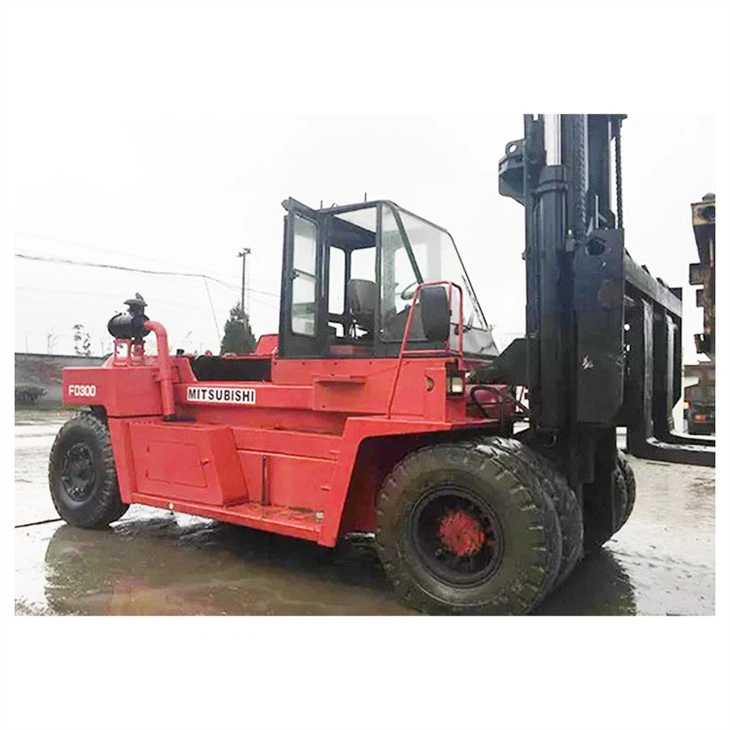
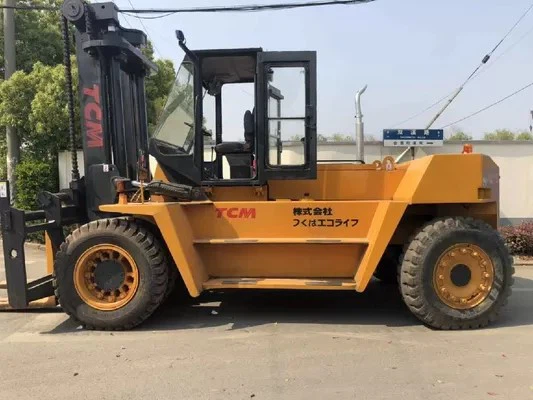
- Heavy Forklift Equipment: Heavy forklifts are used for moving extremely heavy loads, such as large containers or construction materials. These forklifts are often powered by large, high - torque engines, which result in higher noise levels. Noise levels for heavy forklift equipment can reach up to 90 dB or more, especially when the forklift is under heavy load or accelerating. Heavy Forklift Equipment
Operating Conditions
- Load Weight: The weight of the load being carried by the forklift has a significant impact on noise levels. When a forklift is carrying a heavy load, the engine and hydraulic systems have to work harder, resulting in increased noise. For example, a forklift carrying a light load may produce noise levels of around 75 dB, while the same forklift carrying a maximum - capacity load could generate noise levels of 85 dB.
- Speed: The speed at which the forklift is operating also affects noise levels. Faster - moving forklifts generally produce more noise, especially if they are accelerating or decelerating rapidly. This is because the engine and other moving parts have to work harder to change the forklift's speed.
Maintenance
Proper maintenance of a forklift is essential for keeping noise levels in check. A well - maintained forklift with properly lubricated parts, a clean air filter, and a tuned engine will produce less noise than a poorly maintained one. For example, a forklift with a worn - out belt or a loose component may generate rattling or squeaking noises, which can increase the overall noise level.
Implications of Forklift Noise Levels
Workplace Safety
High noise levels in the workplace can have serious implications for safety. Workers exposed to loud forklift noise may have difficulty hearing warning signals, such as alarms or shouts from colleagues. This can increase the risk of accidents, especially in busy warehouses or construction sites where forklifts are operating in close proximity to other workers and equipment.
Worker Health
Prolonged exposure to high - level noise can cause hearing loss, tinnitus (ringing in the ears), and other health problems. Employers are required by law in many countries to take measures to protect their workers from excessive noise exposure. This may include providing hearing protection, implementing noise - control measures, and ensuring that forklifts are properly maintained to reduce noise levels.
Productivity
Excessive noise can also have a negative impact on productivity. Workers who are constantly exposed to loud noise may become distracted, stressed, and fatigued, which can lead to a decrease in work efficiency. By reducing forklift noise levels, employers can create a more comfortable and productive work environment.
Reducing Forklift Noise Levels
Use of Quieter Forklifts
As mentioned earlier, electric forklifts are generally quieter than internal combustion engine forklifts. When possible, customers should consider using electric forklifts, especially in noise - sensitive environments. Additionally, some manufacturers are now producing forklifts with advanced noise - reduction technologies, such as insulated cabins and mufflers.
Noise - Control Measures
In the workplace, employers can implement noise - control measures such as installing sound - absorbing materials on warehouse walls and ceilings. They can also create designated areas for forklift operations that are separated from other work areas to reduce the spread of noise.
Operator Training
Proper operator training can also help reduce forklift noise levels. Operators should be trained to operate the forklift smoothly, avoiding sudden accelerations and decelerations. They should also be aware of the importance of maintaining a proper load balance, as an unbalanced load can cause the forklift to work harder and produce more noise.
Conclusion
As a forklift supplier, we are committed to providing our customers with forklifts that not only meet their operational needs but also minimize noise levels. By understanding the factors that influence forklift noise levels and implementing appropriate noise - reduction measures, we can help create a safer, healthier, and more productive workplace for everyone.
If you're interested in learning more about our range of forklifts and how we can help you manage noise levels in your workplace, we invite you to contact us for a detailed discussion. We're here to assist you in making the right choice for your business.
References
- Occupational Safety and Health Administration (OSHA). "Noise Exposure in the Workplace."
- Forklift Manufacturers Association. "Technical Guidelines on Forklift Noise Reduction."
- International Labour Organization (ILO). "Occupational Safety and Health Series: Noise and Vibration."


