

Tire specifications play a crucial role in the performance and functionality of a motor grader. As a well - established motor grader supplier, I've witnessed firsthand how the right tire selection can significantly impact a grader's operation. In this blog, we'll delve into the key aspects of motor grader tire specifications, providing you with a comprehensive understanding to make informed decisions when it comes to your equipment needs.
1. Tire Size
The size of the tires on a motor grader is of primary importance. Tire size is typically denoted by a series of numbers and letters, such as 17.5R25. In this notation, the first number (17.5) represents the tire's section width in inches. This measurement indicates how wide the tire is from side - to - side when properly inflated and not under load. A wider tire can provide more stability, especially when the grader is working on uneven or soft terrain. It distributes the weight of the grader more evenly, reducing the risk of the machine sinking or tipping.
The letter 'R' stands for radial construction. Radial tires have cords that run perpendicular to the direction of travel, which offers several advantages. They provide better traction, longer tread life, and improved fuel efficiency compared to bias - ply tires. The last number (25) represents the diameter of the wheel rim in inches. A larger rim diameter can accommodate a taller tire, which may be beneficial for graders working in areas with significant ground clearance requirements, such as construction sites with large debris or in mining operations.
When choosing the tire size for a motor grader, it's essential to consider the specific application. For example, if the grader is used for fine - grading work on a flat road surface, a tire with a smaller section width may be sufficient as it allows for more precise maneuvering. On the other hand, if the grader is used in rough, off - road conditions, a wider and taller tire may be necessary to ensure stability and traction.
2. Load Capacity
Load capacity is another critical factor in motor grader tire specifications. Each tire is rated to carry a certain amount of weight, which is determined by its construction, materials, and design. The load capacity rating is usually expressed in pounds or kilograms. For instance, a tire might have a load capacity rating of 6,000 pounds per tire.
It's important to ensure that the total load capacity of all the tires on the motor grader is sufficient to support the weight of the machine itself, as well as any additional attachments or loads it may be carrying. Overloading the tires can lead to premature wear, reduced traction, and even tire failure, which can be extremely dangerous. As a motor grader supplier, we always recommend that our customers carefully calculate the total weight of their grader and its loads and select tires with an appropriate load capacity.
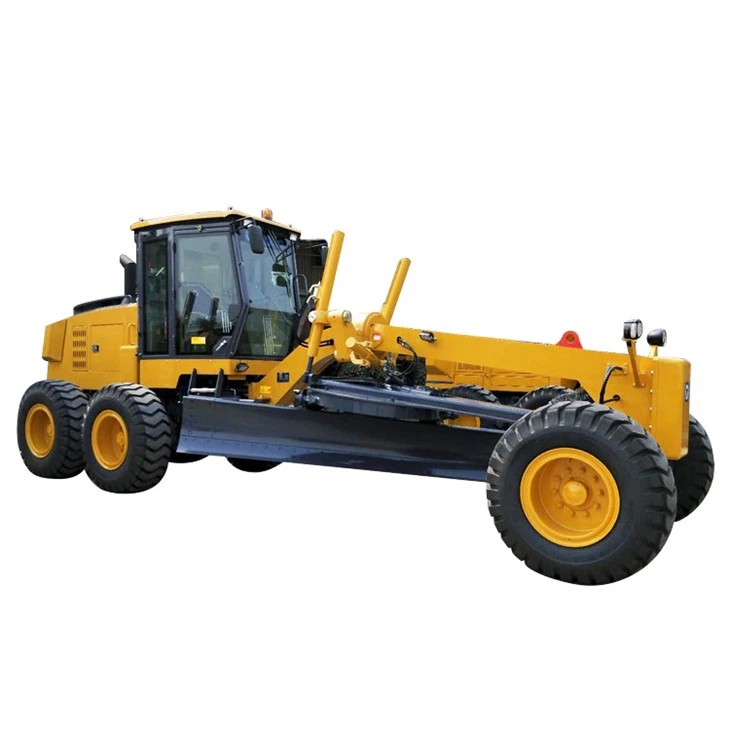
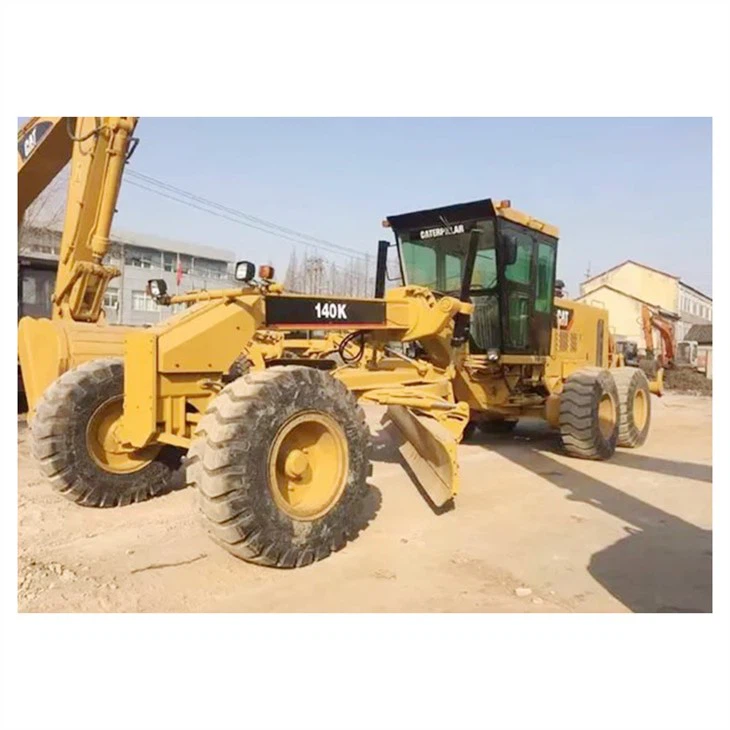
In addition to the static load capacity, it's also necessary to consider the dynamic load that the tires will experience during operation. When the grader is in motion, especially when accelerating, decelerating, or turning, the tires are subjected to additional forces. These dynamic loads can be significantly higher than the static load, so it's crucial to choose tires that can handle these stresses.
3. Tread Pattern
The tread pattern of a motor grader tire has a direct impact on its traction, handling, and wear characteristics. There are several different types of tread patterns available, each designed for specific applications.
Lug Tread Pattern
Lug tread patterns feature large, widely spaced lugs that provide excellent traction in soft or muddy conditions. The lugs dig into the ground, allowing the grader to maintain forward motion even on slippery surfaces. This type of tread pattern is commonly used in construction sites, agricultural applications, and other off - road environments where the ground is not well - compacted.
Rib Tread Pattern
Rib tread patterns consist of continuous ribs that run around the circumference of the tire. These patterns are ideal for highway use and smooth, flat surfaces. They provide a quiet and comfortable ride, as well as good straight - line stability. Rib tread tires also tend to have lower rolling resistance, which can improve fuel efficiency. However, they may not offer as much traction in wet or slippery conditions compared to lug tread tires.
Block Tread Pattern
Block tread patterns combine the features of lug and rib tread patterns. They have individual blocks of tread that are separated by grooves. This design provides good traction in both on - road and off - road conditions. Block tread tires are often used on motor graders that are required to work in a variety of environments, such as urban construction sites where the grader may need to move between paved roads and unpaved areas.
4. Speed Rating
The speed rating of a motor grader tire indicates the maximum speed at which the tire can safely operate. Speed ratings are denoted by a letter, such as 'L' or 'M'. Each letter corresponds to a specific speed limit, typically ranging from 75 mph (for 'L') to 87 mph (for 'M').
It's important to match the speed rating of the tires to the intended operating speed of the motor grader. If the grader is going to be used primarily for highway transportation between job sites, then tires with a higher speed rating may be necessary. However, if the grader is mainly used for slow - speed grading work on a construction site, a lower speed - rated tire may be sufficient. Using tires with an inappropriate speed rating can lead to overheating, increased wear, and potentially dangerous situations.
5. Tread Depth and Wear Indicators
Tread depth is a key factor in determining the remaining life of a motor grader tire. A deeper tread provides better traction, especially in wet or slippery conditions. As the tire wears down, the tread depth decreases, and the tire's performance and safety are compromised.
Most motor grader tires are equipped with wear indicators. These are small rubber bars located in the tread grooves. When the tread wears down to the level of the wear indicators, it's a sign that the tire needs to be replaced. Regularly checking the tread depth and wear indicators is an important part of tire maintenance.
Our Product Range
As a motor grader supplier, we offer a wide range of motor graders, each with carefully selected tire specifications to meet different customer needs. Our Large Mechanical Grader is designed for heavy - duty applications, with large, high - load - capacity tires that provide excellent stability and traction. The Hydraulic Traction Laser Grader features advanced tire technology for precise grading work, and the Grader Tractor is suitable for various terrains, thanks to its well - designed tread patterns.
If you're in the market for a motor grader or need to replace the tires on your existing equipment, we're here to help. Our team of experts can assist you in selecting the right motor grader with the appropriate tire specifications for your specific application. We understand that every customer's needs are unique, and we're committed to providing the best solutions to ensure the optimal performance of your equipment.
Contact us today to start the procurement process. We look forward to discussing your requirements and providing you with a customized solution that meets your needs and budget.
References
- "Tire and Rim Association Standards Manual." Tire and Rim Association, Inc.
- "Motor Grader Operation and Maintenance Handbook." Various industry publications.


