

When it comes to the world of heavy - duty construction and earth - moving equipment, motor graders play a pivotal role. As a well - established motor grader supplier, I've had the privilege of witnessing firsthand the significance of various components and specifications of these machines. One crucial aspect that often comes up in discussions with customers is the blade width of a motor grader. In this blog, we'll delve deep into what blade width means, its importance, and how it impacts the performance of motor graders.
Understanding the Blade Width of a Motor Grader
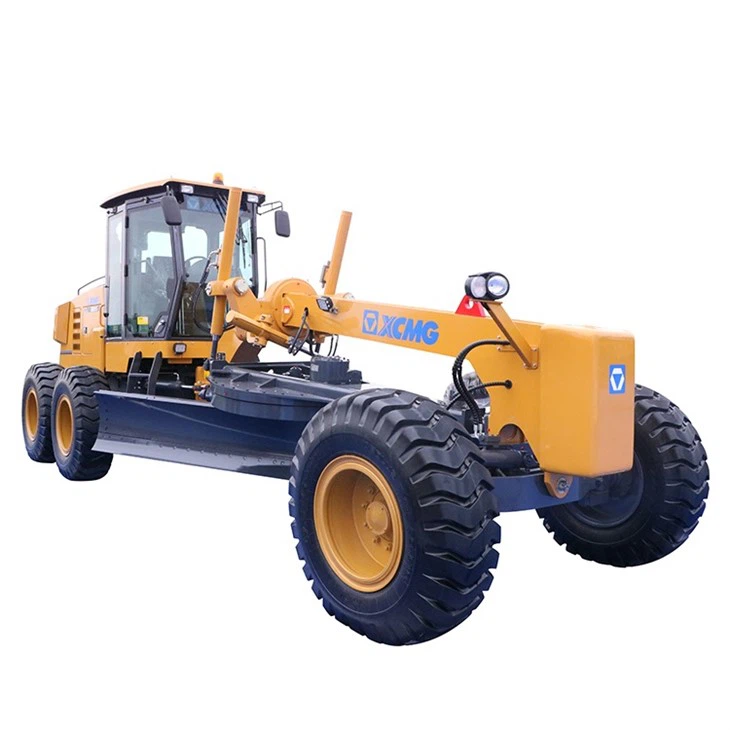
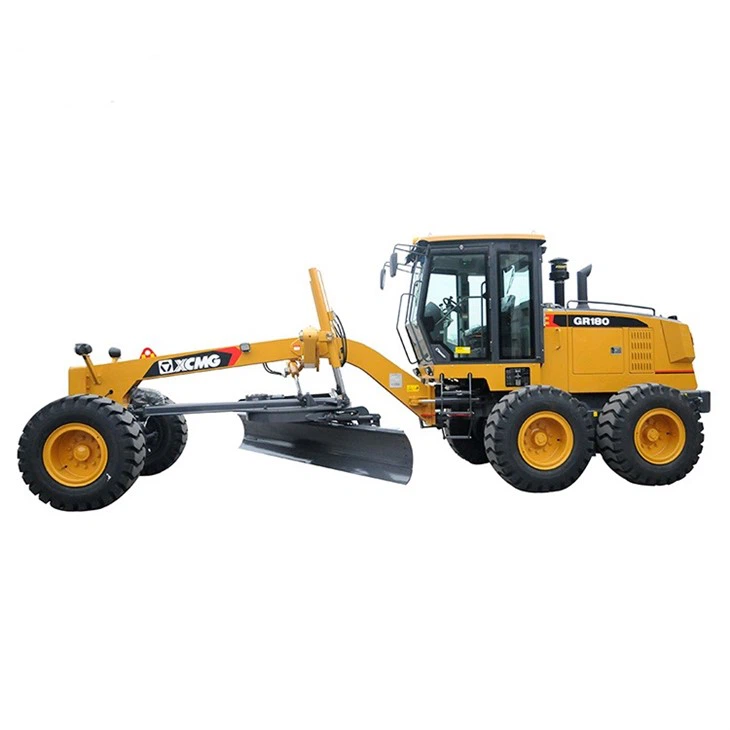
The blade width of a motor grader refers to the measurement of the cutting edge of the grader blade from one end to the other. It is typically measured in inches or meters, depending on the regional standards and the manufacturer's specifications. This width is a fundamental characteristic that determines the amount of material the grader can move in a single pass.
For example, a motor grader with a wider blade can cover a larger swath of land compared to one with a narrower blade. This means that in a given period, a grader with a broader blade can complete more work, making it more efficient for large - scale projects. However, it's not just about the amount of work; the blade width also affects the precision and quality of the grading operation.
Importance of Blade Width in Different Applications
Road Construction
In road construction, the blade width of a motor grader is of utmost importance. When building highways, urban roads, or rural lanes, the grader is used to create a smooth and even surface for the subsequent layers of asphalt or concrete. A wider blade is often preferred for large - scale highway projects. It allows for quick and efficient leveling of the base layer, reducing the overall construction time. For instance, a grader with a blade width of 14 - 16 feet can cover a significant portion of the road width in one pass, ensuring a consistent and uniform surface.
On the other hand, for smaller road projects such as residential streets or narrow alleys, a grader with a narrower blade might be more suitable. A blade width of around 8 - 10 feet provides better maneuverability and precision, allowing the operator to work in tight spaces without causing damage to the surrounding areas. You can explore our Tractor Road Motor Grader options, which come with different blade widths to meet various road construction needs.
Mining Operations
In mining, motor graders are used for a variety of tasks, including maintaining haul roads, creating access roads, and leveling stockpiles. The blade width requirements in mining operations depend on the scale of the mine and the type of materials being handled. For large open - pit mines, graders with wide blades are essential. They can quickly move large volumes of overburden, ore, or waste materials, keeping the haul roads in good condition. A blade width of 16 - 20 feet or more can significantly improve the productivity of the mining operation.
However, in underground mines or areas with limited space, a grader with a narrower blade is necessary. It can navigate through narrow tunnels and passages, ensuring that the roads are properly graded for safe vehicle movement. Our Used Motor Grader selection includes models with different blade widths, suitable for various mining applications.
Agricultural Applications
In agriculture, motor graders are used for land leveling, creating irrigation channels, and maintaining farm roads. The blade width requirements in agriculture are often different from those in construction or mining. For land leveling, a grader with a medium - width blade, typically around 10 - 12 feet, is commonly used. It can effectively level large fields while maintaining the necessary precision for proper water drainage and crop growth.
When it comes to creating irrigation channels, a narrower blade might be more appropriate. It allows for more precise shaping of the channels, ensuring efficient water flow. Our Agricultural Trailed Motor Graders are designed with different blade widths to meet the diverse needs of the agricultural sector.
Factors Affecting the Choice of Blade Width
Project Size
As mentioned earlier, the size of the project is a major factor in determining the appropriate blade width. For large - scale projects, wider blades are generally more efficient as they can cover more ground in less time. Conversely, for small - scale projects, narrower blades offer better control and precision.
Site Conditions
The site conditions also play a crucial role in choosing the blade width. If the site has a lot of obstacles, tight corners, or uneven terrain, a grader with a narrower blade will be easier to maneuver. On the other hand, if the site is relatively flat and open, a wider blade can be used to maximize productivity.
Operator Skill
The skill level of the operator is another important consideration. A more experienced operator may be able to handle a grader with a wider blade more effectively, while a less experienced operator might find a narrower blade easier to manage.
How Blade Width Affects the Performance of a Motor Grader
Productivity
The productivity of a motor grader is directly related to its blade width. A wider blade can move more material in a single pass, reducing the number of passes required to complete a job. This results in faster project completion times and increased overall productivity.
Precision
While wider blades are great for large - scale work, they may sacrifice some precision compared to narrower blades. Narrower blades allow for more detailed and accurate grading, which is essential for projects that require a high level of precision, such as airport runways or sports fields.
Fuel Efficiency
The blade width can also affect the fuel efficiency of a motor grader. A wider blade requires more power to operate, which can lead to increased fuel consumption. However, if the wider blade allows for fewer passes and faster project completion, the overall fuel consumption per unit of work may still be lower.
Conclusion
In conclusion, the blade width of a motor grader is a critical specification that has a significant impact on its performance and suitability for different applications. As a motor grader supplier, we understand the importance of providing our customers with the right equipment for their specific needs. Whether you're involved in road construction, mining, agriculture, or any other industry that requires grading, choosing the appropriate blade width is essential for achieving optimal results.
If you're in the market for a motor grader and need help determining the right blade width for your project, we're here to assist you. Our team of experts can provide you with detailed information and guidance to ensure that you make the best choice. Don't hesitate to contact us for a consultation and start the procurement process today.
References
- Construction Equipment Handbook. McGraw - Hill Professional.
- Mining Engineering: A Practical Guide. SME Press.
- Agricultural Machinery and Equipment Manual. Wiley - Blackwell.


