

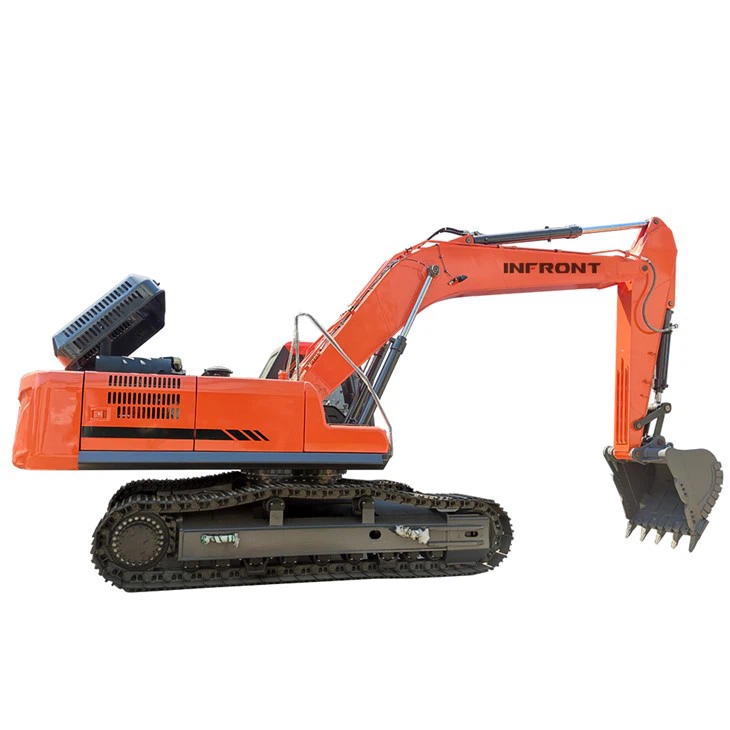
As a supplier of Infront Excavators, I am often asked about the cooling system of these powerful machines. The cooling system plays a crucial role in maintaining the optimal performance and longevity of an excavator. In this blog post, I will delve into the details of the cooling system of an Infront Excavator, explaining its components, functions, and importance.
Components of the Cooling System
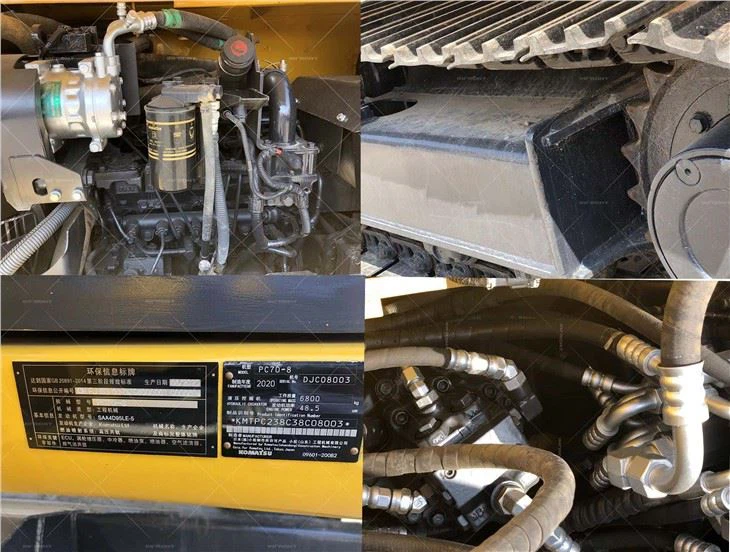
The cooling system of an Infront Excavator is a complex network of components that work together to regulate the temperature of the engine and other vital parts. The main components of the cooling system include the radiator, water pump, thermostat, cooling fan, and hoses.
Radiator
The radiator is the heart of the cooling system. It is a heat exchanger that transfers heat from the coolant to the surrounding air. The radiator consists of a series of tubes and fins that increase the surface area for heat transfer. As the hot coolant flows through the tubes, the fins dissipate the heat into the air. The radiator is typically located at the front of the excavator, where it can receive maximum airflow.
Water Pump
The water pump is responsible for circulating the coolant through the engine and the radiator. It is driven by the engine's crankshaft and uses centrifugal force to pump the coolant. The water pump ensures that the coolant flows continuously, carrying heat away from the engine and into the radiator.
Thermostat
The thermostat is a temperature-sensitive valve that regulates the flow of coolant through the engine. It remains closed when the engine is cold, allowing the engine to warm up quickly. Once the engine reaches the optimal operating temperature, the thermostat opens, allowing the coolant to flow through the radiator for cooling.
Cooling Fan
The cooling fan helps to increase the airflow through the radiator, enhancing the cooling efficiency. It is typically driven by the engine's crankshaft or an electric motor. The cooling fan can be either a mechanical fan or an electric fan, depending on the design of the excavator.
Hoses
The hoses connect the various components of the cooling system, allowing the coolant to flow between them. They are made of rubber or other flexible materials and are designed to withstand high temperatures and pressures. The hoses must be inspected regularly for leaks or damage and replaced if necessary.
Functions of the Cooling System
The primary function of the cooling system is to maintain the engine at its optimal operating temperature. An engine that runs too hot can suffer from a variety of problems, including reduced performance, increased fuel consumption, and premature wear and tear. On the other hand, an engine that runs too cold may not operate efficiently and may produce more emissions.
The cooling system also helps to prevent the engine from overheating. Overheating can cause serious damage to the engine, such as warped cylinder heads, blown head gaskets, and seized pistons. By dissipating the heat generated by the engine, the cooling system ensures that the engine operates within a safe temperature range.
In addition to cooling the engine, the cooling system also helps to regulate the temperature of other components, such as the hydraulic system and the transmission. These components generate a significant amount of heat during operation, and the cooling system helps to keep them cool and functioning properly.
Importance of the Cooling System
The cooling system is essential for the proper operation and longevity of an Infront Excavator. A well-maintained cooling system can help to prevent costly repairs and downtime, ensuring that the excavator remains productive and efficient.
Preventing Engine Damage
As mentioned earlier, overheating can cause serious damage to the engine. By maintaining the engine at its optimal operating temperature, the cooling system helps to prevent engine damage and extends the lifespan of the engine.
Improving Performance
An engine that operates at the correct temperature is more efficient and performs better. The cooling system helps to ensure that the engine runs smoothly and delivers maximum power, improving the overall performance of the excavator.
Reducing Fuel Consumption
An engine that runs too hot or too cold consumes more fuel than an engine that operates at the optimal temperature. By maintaining the engine at the correct temperature, the cooling system helps to reduce fuel consumption, saving money on operating costs.
Enhancing Safety
Overheating can also pose a safety risk, as it can lead to engine fires or other mechanical failures. By preventing overheating, the cooling system helps to ensure the safety of the operator and other personnel working around the excavator.
Maintenance of the Cooling System
Proper maintenance of the cooling system is crucial to ensure its optimal performance and longevity. Here are some tips for maintaining the cooling system of an Infront Excavator:
Check the Coolant Level Regularly
The coolant level should be checked regularly and topped up as needed. The coolant should be a mixture of water and antifreeze, and the ratio should be maintained according to the manufacturer's recommendations.
Inspect the Hoses and Belts
The hoses and belts should be inspected regularly for leaks, cracks, or damage. Any damaged hoses or belts should be replaced immediately to prevent coolant leaks or other problems.
Clean the Radiator
The radiator should be cleaned regularly to remove any dirt, debris, or insects that may block the airflow. A clogged radiator can reduce the cooling efficiency and cause the engine to overheat.
Replace the Thermostat
The thermostat should be replaced at the recommended intervals to ensure that it is functioning properly. A faulty thermostat can cause the engine to run too hot or too cold.
Flush the Cooling System
The cooling system should be flushed periodically to remove any sediment or contaminants that may have accumulated in the system. Flushing the cooling system helps to maintain the proper flow of coolant and prevents corrosion and other problems.
Conclusion
The cooling system is a vital component of an Infront Excavator, playing a crucial role in maintaining the engine at its optimal operating temperature and preventing overheating. By understanding the components, functions, and importance of the cooling system, as well as following the proper maintenance procedures, you can ensure that your excavator operates efficiently and reliably for years to come.
If you are interested in purchasing an Infront Excavator or need Accessories For famous Excavators, we offer a wide range of models, including the 35 Tons Crawler Excavator and the 1.8 Tonne Excavator. Our team of experts is ready to assist you with your purchase and provide you with the best solutions for your construction needs. Contact us today to start the procurement negotiation process and find the perfect excavator for your project.
References
- Manufacturer's manuals for Infront Excavators
- Industry standards and guidelines for excavator cooling systems
- Technical articles and research papers on engine cooling systems


