

As a supplier of Liugong for Loader, I've had the privilege of delving deep into the intricacies of various components that make these machines exceptional. One such crucial component is the load - holding valve. In this blog, I'll explore what the load - holding valve is, its functions, and its significance in Liugong loaders.
What is a Load - Holding Valve?
A load - holding valve, also known as a counterbalance valve, is a type of hydraulic valve. Its primary function is to control the flow of hydraulic fluid in a circuit, preventing the uncontrolled movement of a load. In the context of Liugong loaders, these valves are essential for maintaining the stability and safety of the equipment during operation.
The load - holding valve works on a simple yet effective principle. It uses a pressure - controlled mechanism to block the flow of hydraulic fluid when the pressure on one side of the valve is lower than the set pressure. This means that when a loader is holding a heavy load, the load - holding valve ensures that the load does not drop suddenly due to factors such as hydraulic leaks or pressure fluctuations.
How Load - Holding Valves Work in Liugong Loaders
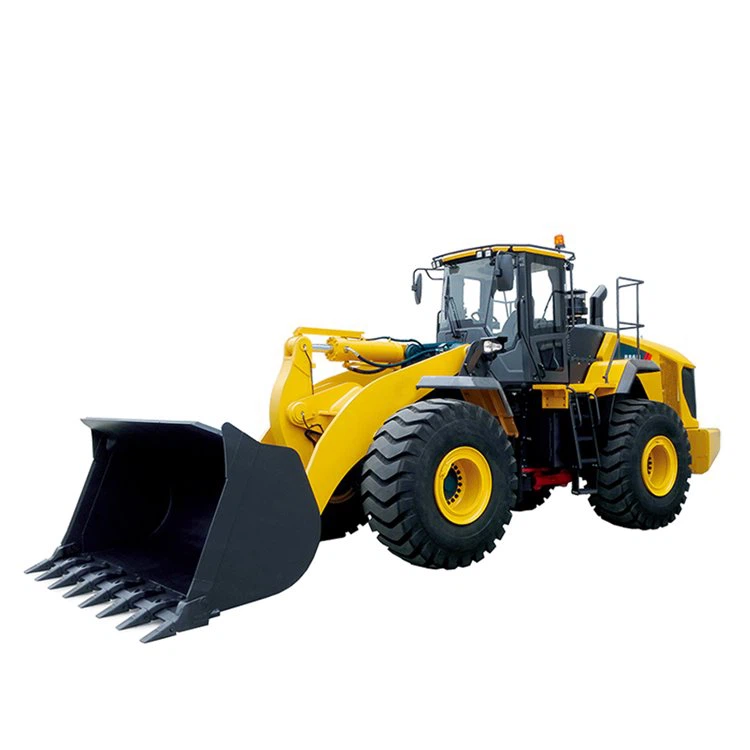
In Liugong loaders, load - holding valves are typically installed in the hydraulic circuits that control the boom and bucket movements. When the operator activates the controls to lift or lower the boom or bucket, hydraulic fluid is pumped into the appropriate cylinders. The load - holding valve regulates the flow of this fluid, ensuring smooth and controlled movement.
For example, when the loader is lifting a heavy load, the load - holding valve allows the hydraulic fluid to flow into the cylinder at a controlled rate. Once the load reaches the desired height, the valve holds the pressure in the cylinder, preventing the load from descending. This is particularly important when working on uneven terrain or when performing precise operations, as it helps to maintain the stability of the loader and the safety of the operator.
Functions of Load - Holding Valves in Liugong Loaders
1. Safety
Safety is the most critical function of load - holding valves in Liugong loaders. By preventing the sudden drop of loads, these valves protect the operator and the surrounding environment from potential accidents. For instance, if a loader is carrying a large amount of construction material and the hydraulic system fails, the load - holding valve will keep the load in place until the issue can be resolved.
2. Stability
Load - holding valves contribute to the overall stability of Liugong loaders. They ensure that the boom and bucket movements are smooth and controlled, reducing the risk of the loader tipping over. This is especially important when working on slopes or when handling heavy loads at high elevations.
3. Precision
In addition to safety and stability, load - holding valves also enable precise control of the loader's movements. Operators can accurately position the boom and bucket, making it easier to perform tasks such as loading and unloading materials. This precision is essential for increasing productivity and efficiency on the job site.
Types of Load - Holding Valves Used in Liugong Loaders
Liugong loaders may use different types of load - holding valves depending on the specific model and application. Some common types include:
1. Direct - Acting Load - Holding Valves
Direct - acting load - holding valves are the simplest type. They use a spring - loaded poppet to control the flow of hydraulic fluid. When the pressure on one side of the valve exceeds the spring force, the poppet opens, allowing fluid to flow. These valves are reliable and cost - effective, making them suitable for many applications in Liugong loaders.
2. Pilot - Operated Load - Holding Valves
Pilot - operated load - holding valves are more complex but offer greater control. They use a pilot pressure to open and close the valve, allowing for more precise regulation of the hydraulic fluid flow. These valves are often used in applications where high - precision control is required, such as in the boom and bucket control circuits of larger Liugong loaders.
Importance of Proper Maintenance of Load - Holding Valves
Proper maintenance of load - holding valves is crucial for the optimal performance and safety of Liugong loaders. Over time, these valves can wear out due to factors such as contamination, high pressure, and temperature fluctuations. Regular maintenance, including inspection, cleaning, and replacement of worn parts, can help to extend the lifespan of the load - holding valves and prevent costly breakdowns.
Inspection
Regular inspection of load - holding valves should be carried out to check for signs of wear, damage, or leakage. This can be done visually or by using specialized testing equipment. Any issues should be addressed immediately to prevent further damage to the valve or the hydraulic system.
Cleaning
Contamination is one of the main causes of load - holding valve failure. Dirt, debris, and other contaminants can accumulate inside the valve, causing it to malfunction. Regular cleaning of the hydraulic system, including the load - holding valve, can help to prevent this problem. This can be done by using high - quality hydraulic filters and by flushing the system periodically.

Replacement of Worn Parts
If the load - holding valve shows signs of excessive wear or damage, it may be necessary to replace certain parts or the entire valve. Using genuine Liugong parts is recommended to ensure compatibility and optimal performance.
Applications of Liugong Loaders with Load - Holding Valves
Liugong loaders equipped with load - holding valves are widely used in various industries, including construction, mining, agriculture, and waste management.
In the construction industry, Wheel Loaders 8ton are often used for tasks such as loading and unloading building materials, grading, and excavation. The load - holding valves ensure that these operations can be carried out safely and efficiently, even in challenging conditions.
In the mining industry, Skid Steer Loaders 395b are used for tasks such as moving ore, coal, and other materials. The load - holding valves help to maintain the stability of the loader and prevent the accidental spillage of materials, which is crucial for safety and productivity.
In the agricultural industry, Wheel Loader 5t are used for tasks such as handling hay, manure, and other agricultural products. The precise control provided by the load - holding valves allows farmers to perform these tasks with greater accuracy and efficiency.
Conclusion
Load - holding valves are an essential component of Liugong loaders, providing safety, stability, and precision in various applications. As a supplier of Liugong for Loader, I understand the importance of these valves and the role they play in the performance of the equipment.
If you are in the market for Liugong loaders or need replacement load - holding valves for your existing equipment, I encourage you to contact me for more information. I can provide you with detailed product specifications, pricing, and technical support to help you make the right choice for your needs. Let's start a conversation about your procurement requirements and find the best solutions for your business.
References
- "Hydraulic Systems Handbook" by Donald C. Fink
- Liugong Loader Technical Manuals
- Industry research reports on hydraulic components in construction equipment


