

As a supplier of Shantui for Loader, I am often asked about the lubrication system of these powerful machines. In this blog post, I will delve into the details of what the lubrication system of Shantui for Loader is, its importance, and how it functions.
Importance of the Lubrication System
The lubrication system in a Shantui loader plays a crucial role in ensuring the smooth and efficient operation of the machine. It serves several key functions that are essential for the longevity and performance of the loader.
Firstly, lubrication reduces friction between moving parts. In a loader, there are numerous components that are in constant motion, such as the engine pistons, crankshaft, and transmission gears. Without proper lubrication, these parts would rub against each other, generating excessive heat and causing wear and tear. This can lead to premature failure of the components and costly repairs.
Secondly, the lubrication system helps to cool the engine. As the lubricant circulates through the engine, it absorbs heat generated by the combustion process and carries it away. This helps to maintain the engine at an optimal operating temperature, preventing overheating and ensuring reliable performance.
Thirdly, lubrication helps to seal the gaps between moving parts. This prevents the leakage of fluids, such as oil and coolant, and also helps to keep contaminants, such as dirt and dust, out of the engine. A well-sealed lubrication system ensures that the engine operates efficiently and reduces the risk of damage caused by contaminants.
Components of the Lubrication System
The lubrication system of a Shantui loader consists of several key components, each playing a specific role in ensuring the proper lubrication of the machine.
- Oil Pan: The oil pan is located at the bottom of the engine and serves as a reservoir for the engine oil. It stores the oil when the engine is not running and provides a constant supply of oil to the lubrication system when the engine is operating.
- Oil Pump: The oil pump is responsible for circulating the oil throughout the lubrication system. It draws the oil from the oil pan and pressurizes it before sending it to the various engine components. The oil pump is typically driven by the engine's crankshaft and operates at a constant speed to ensure a continuous supply of oil.
- Oil Filter: The oil filter is designed to remove contaminants, such as dirt, metal particles, and sludge, from the engine oil. It is located in the lubrication system between the oil pump and the engine components. The oil filter traps the contaminants and prevents them from reaching the engine components, ensuring that the oil remains clean and effective.
- Oil Cooler: The oil cooler is used to cool the engine oil. It is typically located in the radiator or in a separate oil cooler assembly. The oil cooler uses coolant or air to dissipate the heat from the oil, helping to maintain the oil at an optimal operating temperature.
- Oil Pressure Sensor: The oil pressure sensor is used to monitor the oil pressure in the lubrication system. It sends a signal to the engine control unit (ECU) or the dashboard warning light to indicate if the oil pressure is too low or too high. This helps to ensure that the lubrication system is operating properly and that the engine is protected from damage.
- Oil Galleries: The oil galleries are a network of passages that distribute the oil to the various engine components. They are designed to ensure that the oil reaches all the critical components, such as the engine bearings, pistons, and camshaft, at the right pressure and flow rate.
How the Lubrication System Works
The lubrication system of a Shantui loader operates in a continuous cycle to ensure the proper lubrication of the engine components. Here is a step-by-step overview of how the lubrication system works:
- Oil Intake: When the engine is started, the oil pump begins to draw oil from the oil pan. The oil is then pressurized by the oil pump and sent through the oil filter to remove any contaminants.
- Oil Distribution: The pressurized oil is then distributed to the various engine components through the oil galleries. The oil flows to the engine bearings, pistons, camshaft, and other critical components, providing lubrication and reducing friction.
- Oil Return: After the oil has lubricated the engine components, it drains back to the oil pan through the oil drain holes. The oil then returns to the oil pan, where it is stored until the next cycle.
- Oil Cooling: As the oil circulates through the engine, it absorbs heat generated by the combustion process. The heated oil then passes through the oil cooler, where it is cooled by coolant or air. The cooled oil is then returned to the lubrication system to continue the cycle.
- Oil Monitoring: The oil pressure sensor continuously monitors the oil pressure in the lubrication system. If the oil pressure is too low or too high, the sensor sends a signal to the engine control unit (ECU) or the dashboard warning light to indicate a problem. This helps to ensure that the lubrication system is operating properly and that the engine is protected from damage.
Lubrication System Maintenance
Proper maintenance of the lubrication system is essential to ensure the reliable performance and longevity of a Shantui loader. Here are some key maintenance tips to keep in mind:
- Regular Oil Changes: It is important to change the engine oil and oil filter at the recommended intervals. Over time, the oil can become contaminated with dirt, metal particles, and sludge, which can reduce its effectiveness and cause damage to the engine components. Regular oil changes help to keep the oil clean and ensure proper lubrication.
- Check Oil Levels: It is important to check the engine oil level regularly and top it up if necessary. Low oil levels can cause the engine to overheat and damage the engine components. Make sure to use the recommended type and grade of oil for your Shantui loader.
- Inspect the Oil Filter: The oil filter should be inspected regularly for signs of damage or clogging. A clogged oil filter can restrict the flow of oil and cause damage to the engine components. If the oil filter is damaged or clogged, it should be replaced immediately.
- Check the Oil Cooler: The oil cooler should be inspected regularly for signs of damage or leaks. A damaged or leaking oil cooler can cause the engine oil to overheat and reduce its effectiveness. If the oil cooler is damaged or leaking, it should be repaired or replaced immediately.
- Monitor the Oil Pressure: The oil pressure should be monitored regularly using the oil pressure gauge or warning light on the dashboard. If the oil pressure is too low or too high, it could indicate a problem with the lubrication system. In such cases, it is important to have the loader inspected by a qualified technician.
Shantui Loader Models and Their Lubrication Systems
Shantui offers a range of loader models, each with its own unique lubrication system designed to meet the specific requirements of the machine. Here are some popular Shantui loader models and their lubrication systems:
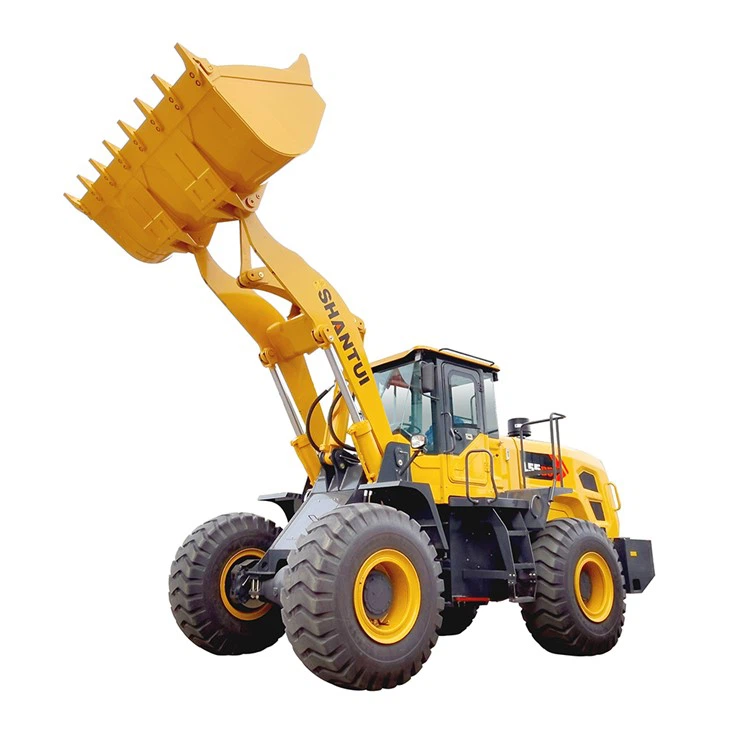
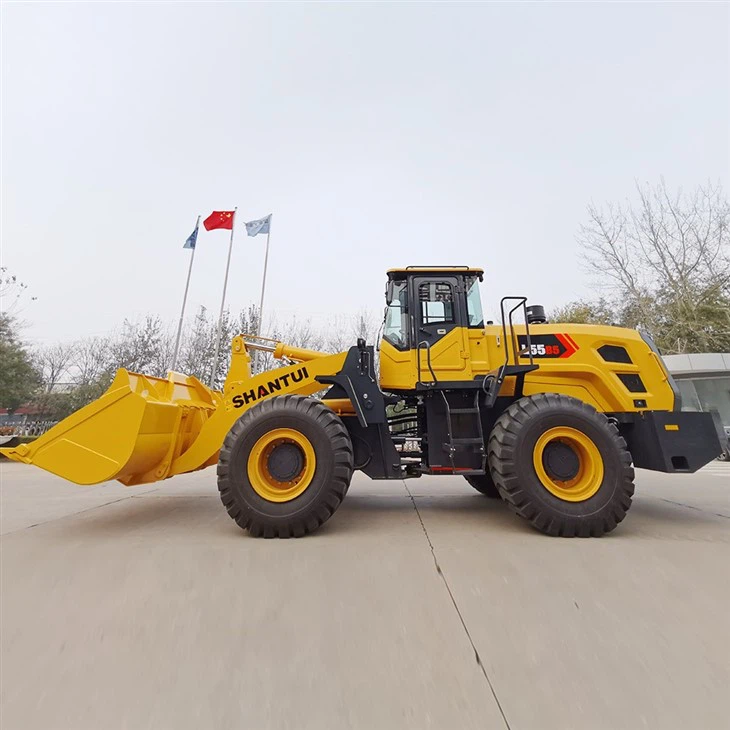
- SHANTUI Loader L55-B5: The SHANTUI Loader L55-B5 is a powerful and versatile loader designed for a variety of applications. It is equipped with a reliable lubrication system that ensures the smooth and efficient operation of the engine. The lubrication system includes an oil pan, oil pump, oil filter, oil cooler, and oil pressure sensor, among other components.
- SHANTUI Loader L39-B3: The SHANTUI Loader L39-B3 is a compact and agile loader suitable for use in tight spaces. It features a high-performance lubrication system that provides excellent lubrication and cooling for the engine. The lubrication system of the L39-B3 is designed to be durable and reliable, ensuring long-term performance and minimal maintenance.
- YF388 Backhoe Loader: The YF388 Backhoe Loader is a versatile machine that combines the functions of a loader and a backhoe. It is equipped with a sophisticated lubrication system that ensures the proper lubrication of all the critical components, including the engine, transmission, and hydraulic system. The lubrication system of the YF388 Backhoe Loader is designed to provide maximum performance and reliability in demanding applications.
Conclusion
The lubrication system of a Shantui loader is a critical component that plays a vital role in ensuring the smooth and efficient operation of the machine. By reducing friction, cooling the engine, and sealing the gaps between moving parts, the lubrication system helps to extend the life of the engine components and improve the overall performance of the loader.
As a supplier of Shantui for Loader, I understand the importance of proper lubrication system maintenance. By following the recommended maintenance procedures and using high-quality lubricants and filters, you can ensure that your Shantui loader operates at its best and provides reliable performance for years to come.
If you are interested in purchasing a Shantui loader or have any questions about the lubrication system or other aspects of the machine, please feel free to contact me for more information. I am here to help you make the right choice and ensure that you get the most out of your Shantui loader.
References
- Shantui Loader Operator's Manuals
- Technical specifications provided by Shantui