

The engine serves as the heart of a motor grader, a crucial piece of heavy - equipment machinery used for a variety of construction and maintenance tasks. As a motor grader supplier, I've witnessed firsthand how the engine's performance directly impacts the machine's overall efficiency, productivity, and reliability. In this blog, I'll delve into the multifaceted role of the engine in a motor grader.
Power Generation
At its most fundamental level, the engine in a motor grader is responsible for generating power. Motor graders are used for tasks such as leveling the ground, spreading materials, and creating smooth surfaces on roads, construction sites, and mining areas. These operations require a significant amount of power to move the heavy blade, drive the wheels, and operate various hydraulic systems.
The engine converts fuel (usually diesel) into mechanical energy through a series of controlled explosions within its cylinders. This mechanical energy is then transferred to the transmission system, which distributes power to the wheels and other components of the motor grader. The power output of the engine determines the grader's ability to handle different types of terrain and loads. For instance, a large - scale construction project on a hilly area will demand an engine with high power to push the blade through tough soil and maintain a consistent speed.
Mobility and Traction
The engine provides the necessary power for the motor grader to move around the work site. Whether it's traveling from one end of a construction site to another or maneuvering in tight spaces, the engine's performance affects the grader's mobility. A well - functioning engine ensures that the motor grader can start, stop, and change directions smoothly.
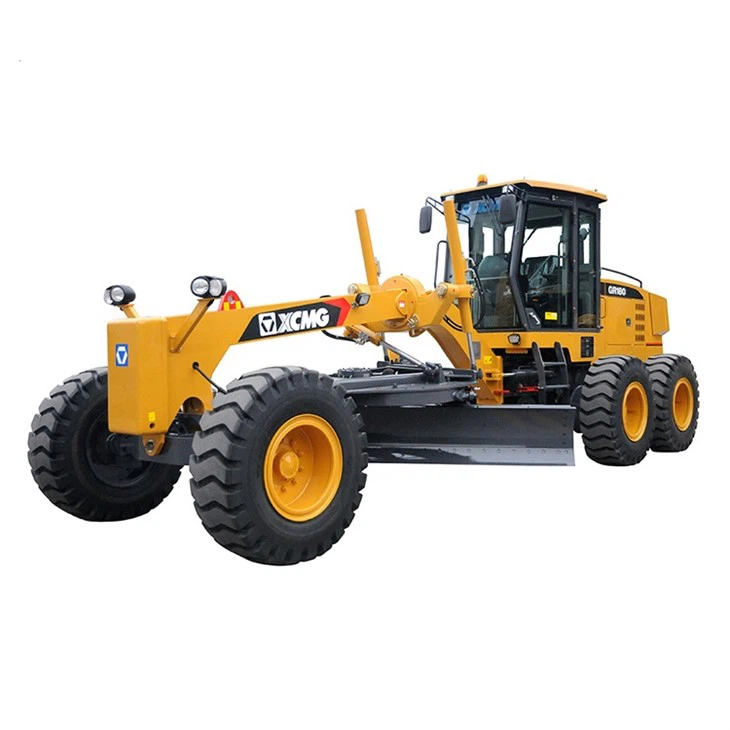
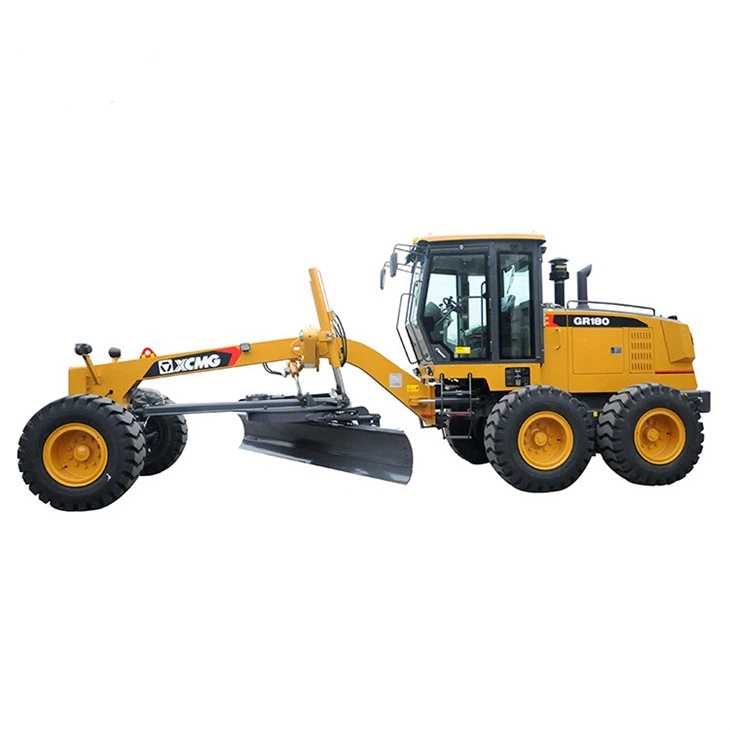
In addition to basic movement, the engine also contributes to the grader's traction. Traction is essential for the motor grader to operate effectively, especially on uneven or slippery surfaces. The engine powers the wheels, allowing them to grip the ground and maintain stability. When the engine delivers power to the wheels, it enables the grader to move forward or backward without getting stuck. For example, in wet or muddy conditions, a powerful engine can help the motor grader maintain traction and continue working efficiently.
Hydraulic System Operation
Motor graders rely heavily on hydraulic systems to control the movement of the blade, the front wheels' steering, and other functions. The engine drives the hydraulic pump, which pressurizes the hydraulic fluid. This pressurized fluid is then used to operate cylinders and valves that control the various movements of the grader.
The blade of a motor grader can be adjusted in multiple ways, such as raising, lowering, tilting, and angling. These adjustments are made possible by the hydraulic system, which is powered by the engine. For example, when the operator wants to change the angle of the blade to create a slope, the engine - powered hydraulic system enables this precise adjustment. Without a reliable engine, the hydraulic system would not function properly, and the grader would lose its ability to perform these essential tasks.
Efficiency and Productivity
The efficiency of the engine directly impacts the productivity of the motor grader. A fuel - efficient engine consumes less fuel while delivering the same or more power. This not only reduces operating costs but also allows the motor grader to work for longer periods without frequent refueling.
Productivity is also affected by the engine's ability to maintain a consistent power output. When the engine can deliver a steady stream of power, the motor grader can work at a constant speed, completing tasks more quickly. For example, on a road construction project, a motor grader with an efficient engine can level a longer stretch of road in a shorter time compared to a grader with an inefficient engine.
Cooling and Lubrication
The engine generates a significant amount of heat during operation, and proper cooling is essential to prevent overheating. The engine's cooling system, which is usually a combination of a radiator, coolant, and a fan, is driven by the engine itself. The fan draws air through the radiator, which cools the coolant. The cooled coolant then circulates through the engine to absorb heat and maintain a safe operating temperature.
Lubrication is another critical function related to the engine. The engine has many moving parts, such as pistons, crankshafts, and camshafts. These parts need to be lubricated to reduce friction and wear. The engine's oil pump, powered by the engine, circulates oil throughout the engine to provide this lubrication. A well - lubricated engine operates more smoothly and has a longer lifespan.
Compatibility with Different Models
As a motor grader supplier, we offer a range of motor grader models, each with different engine requirements. For smaller, more compact motor graders used in light - duty applications, such as landscaping or small - scale road maintenance, a smaller and less powerful engine may be sufficient. These engines are designed to be more fuel - efficient and cost - effective for these types of tasks.
On the other hand, large - scale motor graders, such as the Multifunctional Self - propelled Large Motor Grader, require a powerful engine to handle heavy - duty tasks. These engines are built to withstand high loads and operate in harsh conditions. For example, a Large Road Grader used for highway construction needs an engine with high torque and power to level large areas of ground quickly.
Maintenance and Reliability
The engine's design and construction also play a role in the motor grader's maintenance and reliability. A well - engineered engine is easier to maintain and less likely to break down. Regular maintenance, such as oil changes, filter replacements, and tune - ups, is essential to keep the engine running smoothly.
When the engine is reliable, the motor grader can be used with confidence. There are fewer unexpected breakdowns, which reduces downtime and increases the overall efficiency of the work site. For example, a reliable engine in a Road Grader Vehicle Mounted ensures that the grader can be used for long periods without interruptions, allowing construction projects to stay on schedule.
Conclusion
In conclusion, the engine plays a central and multifaceted role in a motor grader. It is responsible for power generation, mobility, hydraulic system operation, efficiency, and many other aspects that are crucial for the grader's performance. As a motor grader supplier, we understand the importance of providing high - quality engines that meet the diverse needs of our customers.
If you're in the market for a motor grader or looking to upgrade your existing equipment, we're here to help. Our team of experts can assist you in choosing the right motor grader with the most suitable engine for your specific application. Contact us to start a procurement discussion and find the perfect motor grader solution for your project.
References
- SAE International. "Heavy - Duty Engine Design and Performance."
- Caterpillar Inc. "Motor Grader Operations and Maintenance Manual."
- Komatsu Ltd. "Technical Information on Motor Grader Engines."


