

In the world of road construction, vibratory road rollers play a pivotal role in achieving optimal compaction, which is essential for creating durable and smooth road surfaces. One of the key parameters that significantly influences the performance of these machines is the vibration frequency. As a dedicated road roller supplier, I am excited to delve into the topic of “What is the vibration frequency of a vibratory road roller?” to provide valuable insights for construction professionals and enthusiasts alike.
Understanding Vibration Frequency
Vibration frequency refers to the number of oscillations or vibrations that a vibratory road roller's drum makes per unit of time, typically measured in vibrations per minute (vpm) or hertz (Hz). This frequency determines the rate at which the drum imparts energy to the compacted material, such as soil, asphalt, or gravel. A higher vibration frequency generally results in more rapid compaction, as the increased number of vibrations helps to break down the internal structure of the material and reduces the void spaces between particles.
Importance of Vibration Frequency in Compaction
The choice of vibration frequency is crucial as it directly affects the compaction efficiency and the quality of the final road surface. Different types of materials require specific vibration frequencies to achieve the desired level of compaction. For instance, granular materials like sand and gravel respond well to higher frequencies, usually in the range of 50 Hz to 60 Hz (3,000 vpm to 3,600 vpm). These frequencies are effective in mobilizing the particles and promoting settlement, leading to a denser and more stable base.
On the other hand, cohesive soils, such as clay, require lower frequencies, typically between 25 Hz to 35 Hz (1,500 vpm to 2,100 vpm). At these lower frequencies, the vibrations are better able to penetrate the cohesive structure of the soil, causing the particles to rearrange and consolidate. Using the wrong frequency for a particular material can result in inadequate compaction, leading to issues such as uneven surfaces, reduced load-bearing capacity, and premature pavement failure.
Factors Influencing Vibration Frequency Selection
Several factors need to be considered when selecting the appropriate vibration frequency for a vibratory road roller. These include:
- Material Type: As mentioned earlier, the nature of the material being compacted is the primary determinant of the optimal vibration frequency. Different materials have unique physical properties, such as particle size, shape, and cohesion, which influence how they respond to vibrations.
- Layer Thickness: The thickness of the layer being compacted also plays a role in frequency selection. Thicker layers may require lower frequencies to ensure that the vibrations penetrate the entire depth of the material. Conversely, thinner layers can often be compacted more effectively with higher frequencies.
- Compaction Target: The desired level of compaction, as specified by construction standards or project requirements, will influence the choice of frequency. In some cases, multiple passes with different frequencies may be required to achieve the target compaction density.
- Machine Capabilities: The technical specifications and capabilities of the vibratory road roller itself must be taken into account. Not all rollers are capable of operating at all frequencies, and it is important to select a machine that can provide the appropriate frequency range for the intended application.
Our Road Roller Offerings
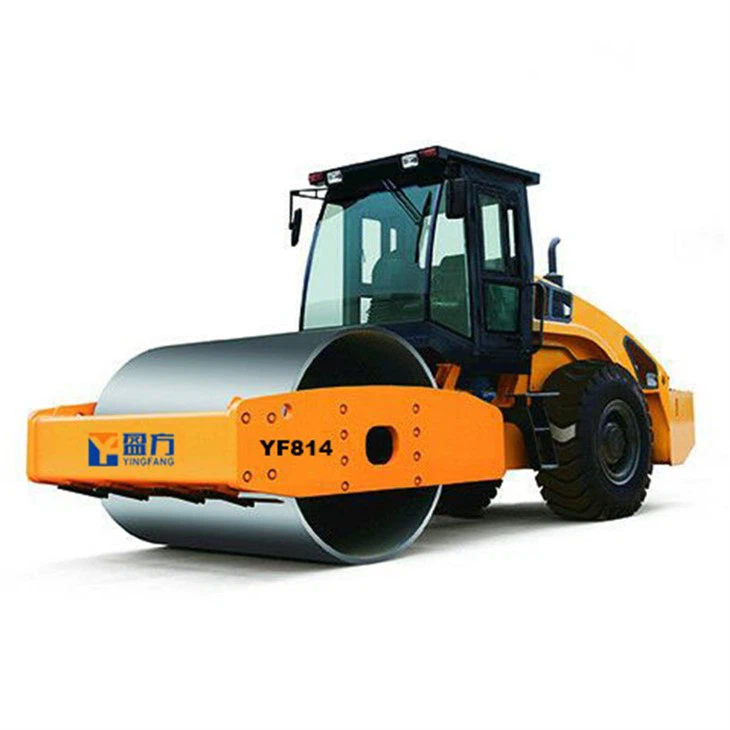
As a leading [Company Name - use actual name if available] road roller supplier, we offer a wide range of vibratory road rollers with adjustable vibration frequencies to meet the diverse needs of our customers. Our Asphalt Road Roller is specifically designed for compacting asphalt pavements. It features a high-frequency vibration system that ensures efficient compaction, resulting in a smooth and durable road surface. With a frequency range of 50 Hz to 60 Hz, this roller is ideal for applications where fast and effective compaction of hot mix asphalt is required.
For more general-purpose applications, our Ride-on Road Roller is a popular choice. This versatile machine is capable of compacting a variety of materials, including soil, gravel, and asphalt. It offers a variable frequency range, allowing operators to adjust the vibration frequency according to the specific requirements of the job. Whether you are working on a small residential project or a large-scale commercial construction site, our ride-on road roller provides the performance and reliability you need.
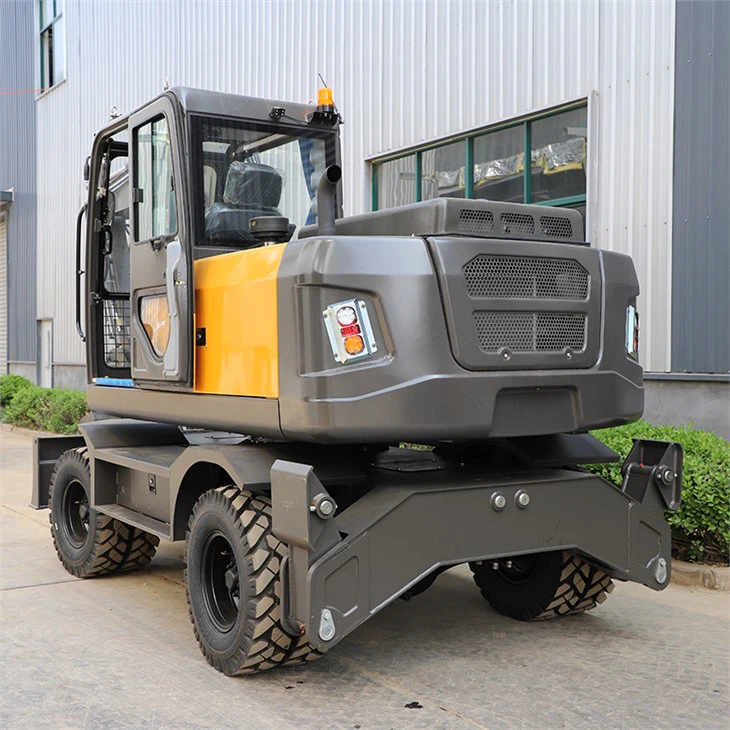
In addition to our road rollers, we also offer Engineering Construction Excavator solutions that can be used in conjunction with our rollers for comprehensive earthmoving and construction projects. Our excavators are designed to provide high productivity and efficiency, making them an essential part of any construction fleet.
Guiding Compaction Processes with Vibration Frequency
When utilizing vibratory road rollers, understanding how vibration frequency interacts with the compaction process is vital. During the initial passes, lower frequencies can be used to allow the material to settle and align, especially for complex materials or uneven surfaces. As the material starts to gain a certain level of density, gradually increasing the vibration frequency can enhance the compaction effect.
For example, in a project where a new road is being built on a foundation of mixed soil and gravel, starting with a frequency of around 30 Hz (1,800 vpm) on the first few passes can mitigate the shock of the initial compaction and prevent excessive material displacement. As the base layer begins to become more consolidated, increasing the frequency to 45 Hz (2,700 vpm) can push the compaction to a higher level of density.
It's also important to note that the speed of the roller in conjunction with the vibration frequency affects the overall compaction. A slower speed with a higher frequency can often achieve better results, as it allows the vibrations more time to penetrate and work through the material. This combination can significantly improve the compaction quality and the long - term performance of the road.
Real - World Application and Case Studies
Over the years, we have seen firsthand how the appropriate selection of vibration frequencies in our vibratory road rollers has made a difference in various construction projects. In a recent highway construction project, our asphalt road rollers were used to compact the asphalt layers. By carefully adjusting the vibration frequency based on the thickness of the asphalt layer and the ambient temperature, we were able to achieve a high - quality, smooth finish that met the strictest industry standards.
In another case, a large - scale industrial park construction required the compaction of a thick layer of cohesive soil. Our ride - on road rollers set at a lower vibration frequency were effective in gradually compacting the soil, creating a stable foundation for the subsequent building construction. These real - world examples demonstrate the importance of understanding and correctly applying vibration frequencies in road construction.
Contact Us for Your Road Roller Needs
If you are involved in road construction, earthmoving, or any project that requires efficient compaction, we are here to assist you. Our team of experts can provide you with in - depth consultation on choosing the right vibratory road roller and the appropriate vibration frequency for your specific project. Whether you are looking for a single machine or an entire fleet, we can offer you customized solutions tailored to your requirements.
To explore our range of road rollers and other construction equipment, visit our website and gain access to detailed product information. We invite you to initiate a conversation with our sales team to discuss your project needs and start the procurement process. Our dedication to quality, performance, and customer satisfaction ensures that you will receive the best equipment and support for your construction endeavors.
References
- Barksdale, R. D. (2018). Road Construction Equipment Handbook. McGraw - Hill Education.
- Komljenovic, B., et al. (2020). Compaction of Highway Embankments: Understanding and Application. CRC Press.
- Smith, J. T. (2019). Principles of Soil Mechanics and Foundation Engineering for Road Construction. Wiley.


