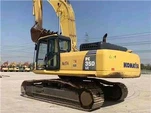


Many hydraulic anomalies, starting difficulties, and electrical faults that appear when work resumes after the holidays are not caused during construction, but rather stem from inadequate maintenance during the shutdown period. Especially in low-temperature environments, the physical properties of metals, hydraulic fluids, and electrical systems all change. If not managed properly, this can potentially shorten the equipment's lifespan.
I. The Importance of Downtime Management: The Underestimated "Second Operating Condition"
Many construction companies tend to focus on the operational phase, neglecting the fact that the downtime period is actually another operating condition for the equipment.
Under conditions of low temperature, stillness, and prolonged inactivity, large excavators are prone to the following problems:
* Increased oil viscosity, leading to insufficient internal lubrication;
* Moisture condensation, causing electrical systems to become damp;
* Exposed metal surfaces, resulting in rust or pitting;
* Natural battery discharge, preventing normal starting after the holidays.
Therefore, maintenance before the Christmas shutdown is essentially "energy storage" for the next construction cycle.

II. System Inspection Before Parking: Don't Let Problems "Overwinter"
Before the equipment is officially put into storage, it is recommended to conduct a relatively complete basic inspection, rather than simply shutting down the machine.
1. Cleaning is the first step, but also the most easily overlooked. Thoroughly remove mud, salt, and snow from the tracks, chassis, bucket, and slewing platform. Pay special attention to joints and hard-to-reach areas to prevent moisture buildup. Cleaning is not only for appearance but also to reduce the risk of rust and freezing.
2. Record equipment status. Check for oil leaks, abnormal noises, and loose bolts. Make simple records of any problems found to facilitate post-holiday maintenance planning. Small problems overlooked over the holiday often escalate into larger downtime costs.
III. Proper Parking in Low-Temperature Environments
1. Choosing the right parking location is crucial. Prioritize indoor warehouses or simple protective sheds. When parking outdoors, ensure the ground is dry and well-drained to prevent uneven stress on the equipment after freezing. Avoid areas with prolonged direct exposure to cold air to reduce the impact of temperature differences on the equipment.
2. Protection of Working Devices and Structural Components:
Land the bucket flat on the ground to release hydraulic system pressure.**
Try to retract the hydraulic cylinder piston rod to reduce the corrosion of chrome-plated surfaces by low temperatures and moisture.**
Keep the slewing mechanism in its natural state to avoid prolonged stress.**
IV. Hydraulic System: The "Core Risk Point" During Low-Temperature Shutdowns
For large excavators, the challenges faced by the hydraulic system in low-temperature environments are particularly pronounced.**
Oil Viscosity Changes:** Low temperatures significantly increase hydraulic oil viscosity. If the oil is aged or the type is incompatible, it may lead to insufficient internal lubrication.
Moisture and Condensation Issues:** Temperature fluctuations during shutdown can easily generate condensation, which, if present for a long time, can affect the reliability of valve assemblies and pumps.
Recommended Measures:**
Run the equipment at low speed for a period of time before shutdown to allow the oil to circulate fully.
Check the hydraulic oil condition; replace it in advance if it is close to its maintenance cycle.
Confirm that the oil is suitable for the local winter minimum temperature range.

V. Electrical System and Battery: The Main Cause of "Start-Up Failures" After Holidays
Numerous resumption cases show that battery problems are the primary cause of startup failures after holidays. Prolonged storage can lead to battery self-discharge.
Battery capacity decreases significantly in low temperatures.
Humid environments may cause connector oxidation or loose connections.
Recommendations:
Disconnect the battery negative terminal during long-term storage.
In extremely cold regions, remove the battery and store it indoors at a suitable temperature.
Check the wiring harness and connectors to ensure there is no aging or water ingress.
VI. Additional Recommendations for Long-Term Storage (More Than One Month)
If the equipment downtime is long, more comprehensive protective measures should be taken:
Spray rust-preventive oil on exposed metal surfaces.
Use a breathable protective cover to prevent condensation buildup.
When conditions permit, start the machine briefly and run it at low speed every 2-3 weeks to maintain system activity.
Conclusion: Proper storage ensures stable operation.
For large excavators, the quality of management during downtime often determines the stability and cost control level of the next stage of construction.
The Christmas holidays are not only a period of slower project pace but also an ideal window for system checks and eliminating potential problems.
Scientific and standardized storage and maintenance methods can effectively reduce the damage caused by low temperatures, allowing the equipment to return to operational status more quickly and stably after the holidays. In today's increasingly competitive equipment market, maintenance capabilities have become a core competency that engineering companies cannot ignore.