

Operating a road roller is a significant task in the construction and infrastructure development industry. As a road roller supplier, I understand the importance of not only providing high - quality equipment but also guiding our customers through the process of obtaining the necessary license to operate these machines. In this blog, I'll share a comprehensive guide on how to get a license to operate a road roller.
Understanding the Types of Road Rollers
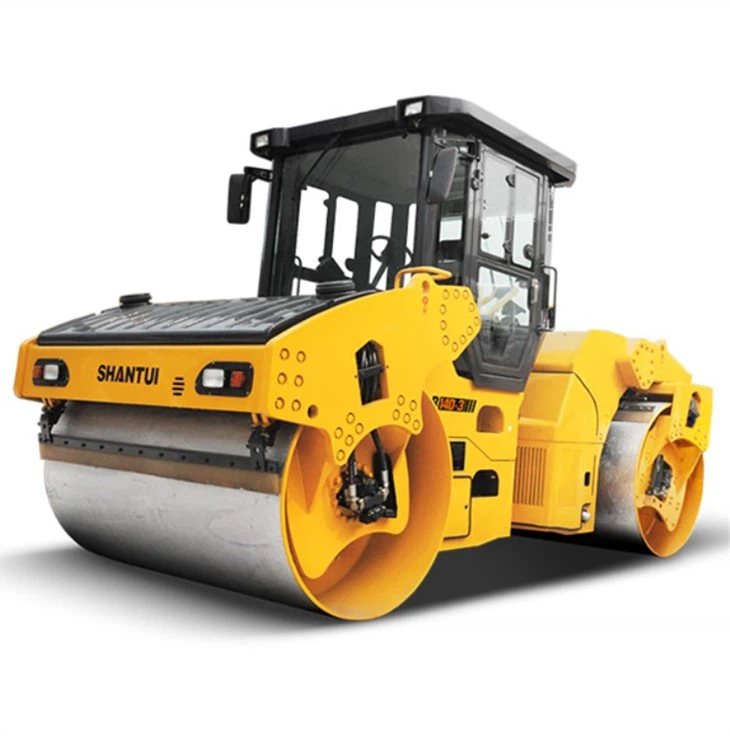
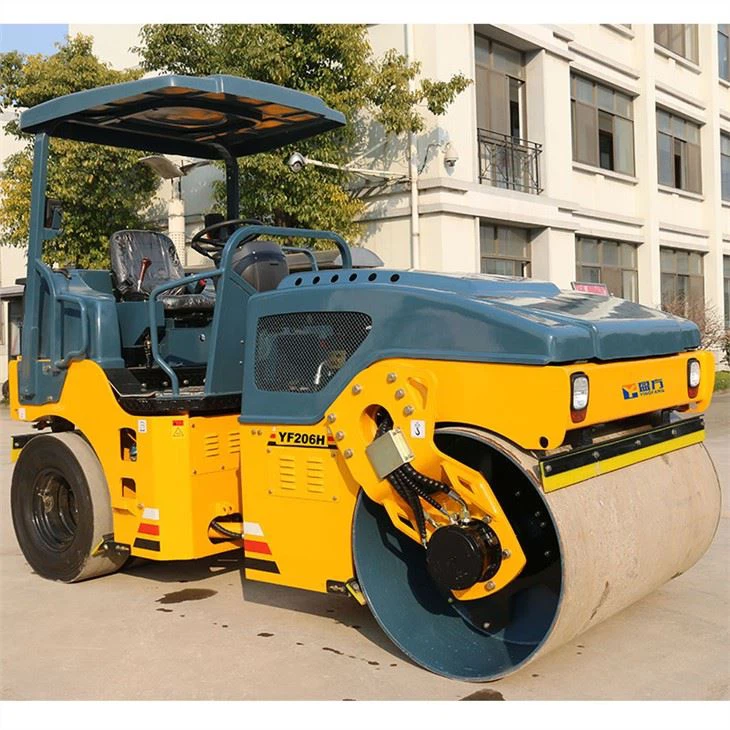
Before diving into the licensing process, it's essential to know the different types of road rollers available. At our company, we offer a wide range of road rollers, including the Articulated Double Drum 8 Ton Vibratory, Diesel Road Roller, and Full Hydraulic Double Wheel Soil Compactor. Each type of road roller has its unique features and applications.
The Articulated Double Drum 8 Ton Vibratory road roller is highly efficient for compacting asphalt and granular materials. Its articulated design allows for excellent maneuverability, making it suitable for various construction sites. The Diesel Road Roller, on the other hand, is known for its powerful diesel engine, providing reliable performance in large - scale projects. The Full Hydraulic Double Wheel Soil Compactor is specifically designed for soil compaction, ensuring a stable foundation for roads and buildings.
Legal Requirements for Road Roller Operation
The legal requirements for operating a road roller vary from region to region. In most areas, operators are required to obtain a special license. These requirements are in place to ensure the safety of the operator, other workers on the site, and the general public.
- Age and Health Requirements:
- Generally, operators must be at least 18 years old. This age requirement is set to ensure that the operator has the physical and mental maturity to handle the machinery safely.
- Good health is also crucial. Operators may be required to pass a medical examination to prove that they are fit to operate a road roller. This includes having good eyesight, hearing, and physical strength.
- Training and Education:
- Most regions mandate that road roller operators complete a formal training program. These programs cover theoretical knowledge such as the principles of compaction, safety regulations, and maintenance of road rollers.
- Practical training is equally important. Operators learn how to start, stop, and maneuver the road roller safely. They also practice different compaction techniques on various materials.
- Written and Practical Exams:
- After completing the training program, operators need to pass a written exam. The written exam tests their knowledge of safety regulations, machine operation, and maintenance.
- A practical exam is also required. In this exam, operators are evaluated on their ability to operate the road roller safely and efficiently. They are tested on tasks such as starting the machine, moving it forward and backward, making turns, and performing compaction operations.
Steps to Obtain a Road Roller License
- Research Local Regulations:
- The first step is to research the specific licensing requirements in your area. You can contact your local transportation department, construction safety board, or relevant government agency. They can provide you with detailed information on the application process, training requirements, and exam procedures.
- Enroll in a Training Program:
- Once you know the training requirements, enroll in a recognized training program. Look for programs that are approved by the local authorities. These programs are usually offered by vocational schools, training institutes, or construction companies.
- During the training program, you'll learn about the different types of road rollers, their components, and how to operate them safely. You'll also gain hands - on experience in a controlled environment.
- Prepare for the Exams:
- To pass the written exam, study the materials provided in the training program. Make sure you understand safety regulations, compaction principles, and machine maintenance. You can also use additional study resources such as textbooks and online materials.
- For the practical exam, practice as much as possible. Familiarize yourself with the controls and functions of the road roller. Try different compaction techniques on various materials to improve your skills.
- Submit the License Application:
- After passing the exams, you can submit your license application. The application usually requires you to provide personal information, proof of training completion, and exam results. You may also need to pay a fee for the license.
- Once your application is approved, you'll receive your road roller operator's license.
Benefits of Having a Road Roller License
- Safety:
- A licensed operator is more likely to operate the road roller safely. They have the knowledge and skills to follow safety regulations, which reduces the risk of accidents on the construction site.
- Job Opportunities:
- Many construction companies prefer to hire licensed road roller operators. Having a license can increase your chances of getting a job in the construction industry.
- Professionalism:
- A license demonstrates your professionalism and commitment to your work. It shows that you have the necessary skills and knowledge to operate a road roller efficiently.
Our Role as a Road Roller Supplier
As a road roller supplier, we not only provide high - quality road rollers but also support our customers in the licensing process. We can recommend recognized training programs in your area. Our technical experts can also provide additional training and guidance on operating our road rollers.
We understand that choosing the right road roller is crucial for your project. Our team can help you select the most suitable road roller based on your specific requirements. Whether you need an Articulated Double Drum 8 Ton Vibratory for asphalt compaction or a Full Hydraulic Double Wheel Soil Compactor for soil compaction, we have the expertise to assist you.
Contact Us for Procurement and Consultation
If you're interested in purchasing a road roller or have any questions about the licensing process, we're here to help. Our experienced sales team can provide you with detailed information about our products, pricing, and after - sales service. We look forward to working with you on your construction projects.
References
- Construction Equipment Handbook
- Local Transportation Department Regulations
- Road Roller Manufacturer's Manuals


