

As a trusted supplier of Sany excavators, I often encounter inquiries about the power output of these remarkable machines. Understanding the power output is crucial as it directly impacts the excavator's performance, efficiency, and suitability for various tasks. In this blog post, I will delve into the power output of Sany excavators, exploring how it is measured, what factors influence it, and how it varies across different models.
Understanding Power Output in Excavators
Power output in excavators is typically measured in horsepower (hp) or kilowatts (kW). Horsepower is a unit of power that originated in the 18th century, defined as the amount of work a horse could do in a given time. In the context of excavators, horsepower indicates the engine's ability to perform work, such as moving heavy loads, digging through tough soil, or operating hydraulic systems. Kilowatts, on the other hand, are the standard unit of power in the International System of Units (SI). One horsepower is approximately equal to 0.746 kilowatts.
The power output of an excavator's engine is a key determinant of its overall performance. A higher power output generally means the excavator can handle more demanding tasks with greater ease and efficiency. However, it's important to note that power output is not the only factor that affects an excavator's performance. Other factors, such as the hydraulic system's design, the machine's weight, and the bucket's size and shape, also play significant roles.
Factors Influencing Power Output
Several factors can influence the power output of a Sany excavator. These include:
Engine Design and Technology
Sany uses advanced engine designs and technologies in its excavators to optimize power output and fuel efficiency. Modern engines are equipped with features such as turbocharging, direct injection, and electronic control systems, which help to increase power and torque while reducing emissions. Turbocharging, for example, forces more air into the engine's cylinders, allowing it to burn more fuel and produce more power.
Machine Size and Weight
Larger and heavier excavators typically require more power to operate effectively. This is because they need to move greater masses and overcome more resistance when digging or lifting. As a result, Sany's larger excavator models, such as the Excavator 27t, are equipped with more powerful engines than smaller models.
Operating Conditions
The power output of an excavator can also be affected by the operating conditions. For example, working in high altitudes, where the air is thinner, can reduce the engine's power output because there is less oxygen available for combustion. Similarly, extreme temperatures, both hot and cold, can also impact the engine's performance and power output.
Hydraulic System
The hydraulic system in an excavator is responsible for powering the machine's movements, such as the boom, arm, and bucket. A well-designed hydraulic system can efficiently transfer the engine's power to the various components of the excavator, maximizing its performance. Sany's excavators are equipped with advanced hydraulic systems that are designed to work in harmony with the engine, ensuring optimal power utilization.
Power Output Across Different Sany Excavator Models
Sany offers a wide range of excavator models, each with its own specific power output to meet the diverse needs of customers. Here are some examples of power outputs for different Sany excavator models:
Excavator 15 Ton
The 15-ton excavator is a popular choice for medium-sized construction projects. It typically has a power output ranging from 100 to 130 hp (74.6 to 96.98 kW). This power output allows the excavator to handle a variety of tasks, such as digging trenches, loading trucks, and demolishing small structures.
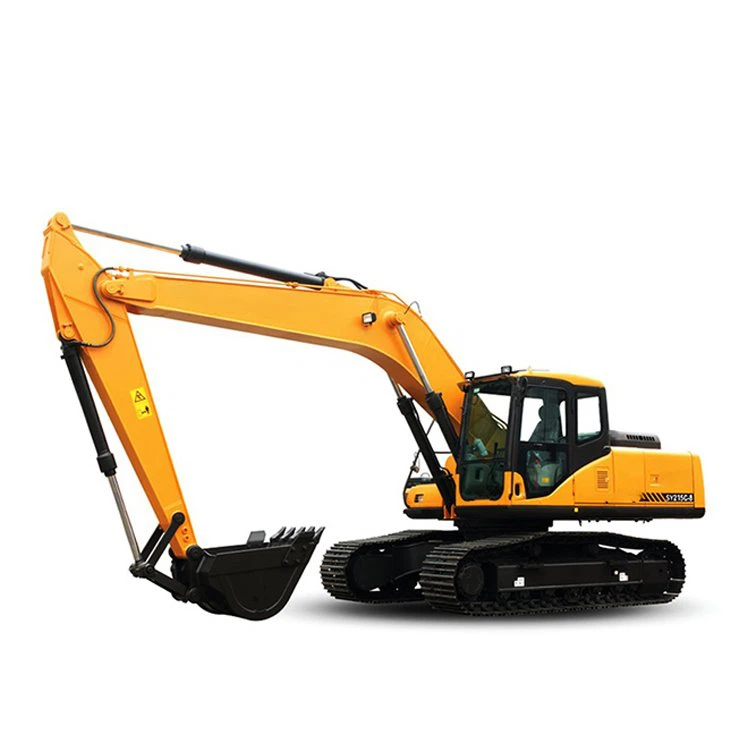
Excavator Sy215c
The Sy215c is a mid-sized excavator that offers a good balance of power and versatility. It is equipped with an engine that delivers a power output of around 160 hp (119.36 kW). This power enables the excavator to perform heavy-duty tasks, such as large-scale earthmoving and deep digging, with ease.
Excavator 27t
The 27-ton excavator is a heavy-duty machine designed for large construction projects and mining operations. It has a power output of approximately 200 to 250 hp (149.2 to 186.5 kW). With this high power output, the excavator can handle extremely tough tasks, such as digging through hard rock and moving large volumes of material.
Importance of Power Output in Selecting an Excavator
When selecting an excavator, it's essential to consider the power output based on the specific tasks you need to perform. If you're working on small to medium-sized projects, a lower power output excavator may be sufficient and more cost-effective. However, for large-scale construction projects or mining operations, a higher power output excavator is necessary to ensure efficient and productive operation.
It's also important to consider the fuel efficiency of the excavator. A more powerful engine may consume more fuel, but modern Sany excavators are designed to optimize fuel consumption while maintaining high power output. This helps to reduce operating costs and minimize environmental impact.
Conclusion
The power output of Sany excavators is a critical factor that determines their performance, efficiency, and suitability for various tasks. By understanding how power output is measured, what factors influence it, and how it varies across different models, you can make an informed decision when selecting an excavator for your project.
As a Sany excavator supplier, I am committed to providing you with the best information and support to help you choose the right excavator for your needs. If you have any questions about the power output of Sany excavators or need assistance in selecting the appropriate model, please don't hesitate to contact me. We can discuss your project requirements in detail and find the perfect excavator solution for you.

References
- Sany official product manuals
- Industry reports on excavator performance and power output


