

Hey there! As a forklift supplier, I've seen firsthand the importance of getting the right forklift for outdoor use. It's not just about picking any old machine; there are a bunch of things you need to think about to make sure you're making the best choice. In this blog, I'll walk you through all the key considerations for using a forklift outdoors.
Terrain and Surface Conditions
The first thing you've got to look at is the terrain where the forklift will be operating. Outdoor areas can vary widely, from smooth concrete floors in a loading dock to rough, uneven ground at a construction site.
If you're dealing with a relatively flat and smooth surface like asphalt or concrete, you've got more options. A Four - wheel Counterbalanced Forklift can work great here. These forklifts are stable and can handle moderate loads with ease. They're also pretty maneuverable, which is handy when you need to navigate around obstacles.
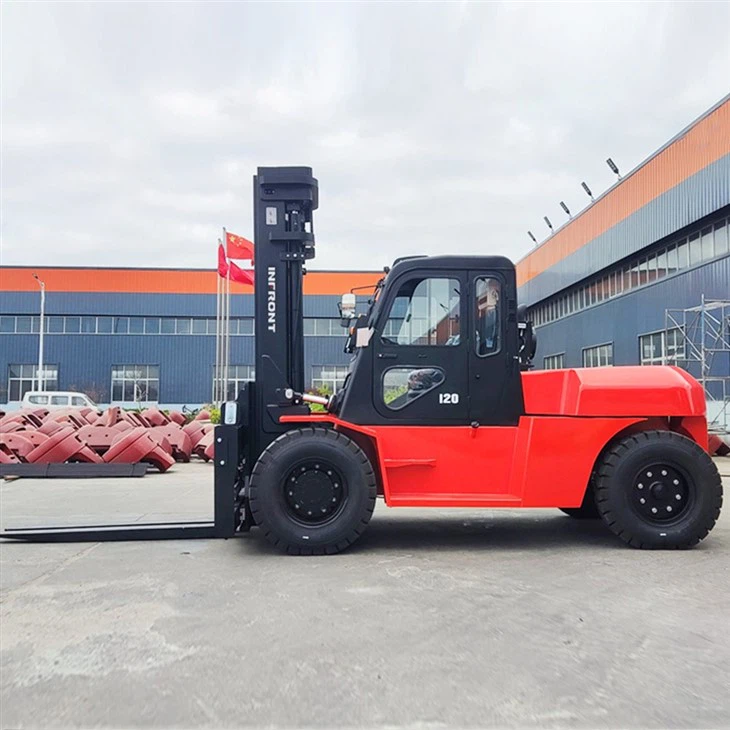
But if the ground is rough, muddy, or has a lot of bumps and holes, you'll need a forklift with better ground clearance and traction. A diesel - powered forklift is often a good choice in these situations. Diesel engines are more powerful and can handle the extra strain of moving on uneven terrain. The 10 Ton Diesel Forklift is a beast when it comes to tough outdoor jobs. It can carry heavy loads over rough ground without breaking a sweat.
Weather Conditions
Weather plays a huge role in outdoor forklift use. Different forklifts are better suited to different weather conditions.
In hot weather, you need to make sure the forklift's engine and other components can handle the heat. Diesel forklifts are generally more heat - resistant than electric ones. However, you still need to keep an eye on the engine's temperature and make sure it has proper ventilation. Also, the tires can wear out faster in hot weather, so regular checks are a must.
Cold weather can be just as challenging. Electric forklifts may experience reduced battery life in cold temperatures. Diesel forklifts, on the other hand, can have issues starting in extremely cold weather. You might need to use engine block heaters or other cold - start aids. And don't forget about the effect of snow and ice on the ground. Forklifts need good traction to operate safely, so you may need to equip them with special tires or chains in winter.
Load Capacity and Type
The type and weight of the loads you'll be moving are crucial factors. Outdoor forklifts need to be able to handle the specific loads in your operation.
If you're dealing with heavy, bulky loads, like large construction materials or industrial equipment, you'll need a forklift with a high load capacity. That's where a 10 Ton Diesel Forklift really shines. It can lift and transport heavy items without any problems.
On the other hand, if you're moving smaller, lighter loads, you might not need such a heavy - duty forklift. A standard Diesel Forklift with a lower load capacity could be more than sufficient. It'll be more fuel - efficient and easier to maneuver in tight spaces.
Visibility
Good visibility is essential for safe outdoor forklift operation. When you're working outside, there are often more obstacles and distractions than in an indoor environment.
Make sure the forklift you choose has a clear line of sight from the operator's seat. Some forklifts come with features like adjustable seats, tilting masts, and large windows to improve visibility. You might also want to consider adding additional mirrors or cameras to the forklift to eliminate blind spots.
Maintenance and Serviceability
Outdoor forklifts are exposed to more dirt, dust, and moisture than indoor ones, which means they need more regular maintenance.
When choosing a forklift, think about how easy it is to access the engine, filters, and other components for maintenance. A forklift with good serviceability will save you time and money in the long run. Look for models that have readily available parts and a reliable service network. As a forklift supplier, we can provide you with all the support you need for maintenance and repairs.
Fuel Type
There are different fuel types available for forklifts, and each has its own advantages and disadvantages for outdoor use.
Diesel forklifts are popular for outdoor applications because they offer high power and torque. They're also suitable for heavy - duty work and can operate for long periods without refueling. However, they do produce emissions, so you need to make sure you're compliant with environmental regulations.
Electric forklifts are a cleaner option. They produce zero emissions, which is great if you're working in an area with strict environmental rules. They're also quieter than diesel forklifts. But their battery life can be a limitation, especially for long - shift outdoor operations.
Safety Features
Safety should always be a top priority when using a forklift outdoors. Look for forklifts that come with a range of safety features.
Some common safety features include seat belts, overhead guards, and warning lights. Overhead guards protect the operator from falling objects, while seat belts keep the operator secure in the seat. Warning lights can alert other workers in the area when the forklift is in motion.

Operator Training
Even the best forklift won't be safe or effective if the operator isn't properly trained. Make sure all your forklift operators receive comprehensive training on how to operate the specific model you choose, especially for outdoor use.
Training should cover things like operating on different terrains, handling loads safely, and dealing with weather conditions. As a forklift supplier, we can often provide training resources or connect you with certified training providers.
Cost
Of course, cost is always a consideration. You need to balance the upfront cost of the forklift with its long - term operating costs.
Diesel forklifts generally have a lower upfront cost than electric forklifts, but they can be more expensive to operate in the long run due to fuel and maintenance costs. Electric forklifts may have a higher initial price tag, but they can save you money on fuel and have lower maintenance requirements.
In conclusion, choosing the right forklift for outdoor use requires careful consideration of many factors. Whether it's the terrain, weather conditions, load capacity, or safety features, each aspect plays a crucial role in making the best decision. As a forklift supplier, we're here to help you navigate these considerations and find the perfect forklift for your outdoor operation. If you're interested in learning more or are ready to make a purchase, don't hesitate to reach out. We can answer all your questions and get you on the right track to a successful outdoor forklift operation.
References
- OSHA (Occupational Safety and Health Administration) guidelines on forklift safety.
- Forklift manufacturer's manuals and specifications.


