

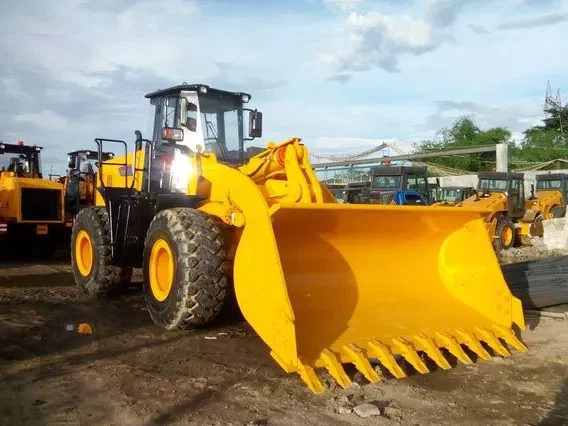
As a supplier of Lonking for Loader, I've seen firsthand how the performance of these machines can make or break a project. Whether it's a large - scale construction site or a small - time landscaping job, having a high - performing loader is crucial. So, today, I'm gonna share some tips on how to improve the performance of Lonking for Loader.
1. Regular Maintenance
The first and most important thing is regular maintenance. Just like your car, a loader needs routine check - ups to keep it running smoothly. This includes oil changes, filter replacements, and inspections of the tire pressure and the overall mechanical structure.
For oil changes, follow the manufacturer's recommendations. Fresh oil ensures that all the engine components are well - lubricated, reducing friction and wear. You don't want your engine parts grinding against each other, right? It'll not only decrease the performance but also can lead to costly repairs down the road.
Filters are the lungs of your loader. Air filters, fuel filters, and hydraulic filters need to be replaced regularly. A clogged filter restricts the flow of air, fuel, or hydraulic fluid, which directly affects the engine's performance and can cause the machine to lose power.
Tire pressure is another crucial factor. Under - inflated tires increase rolling resistance, which means your loader has to work harder to move. On the other hand, over - inflated tires can reduce traction, making it difficult to operate on uneven or slippery surfaces. So, make sure to check the tire pressure at least once a week.
2. Operator Training
Having a well - trained operator is half the battle won. A skilled operator can get the most out of a Lonking for Loader. They know how to handle the machine efficiently, which not only improves the performance but also enhances safety on the job site.
Operator training should cover not only the basic operation of the loader but also advanced techniques such as load management and proper maneuvering. For example, knowing how to distribute the load evenly on the bucket can prevent the loader from tipping over and also make it easier to lift and transport the materials.
Moreover, trained operators are more likely to notice early signs of problems with the loader. They can detect unusual noises, vibrations, or changes in performance, which can help in identifying and fixing issues before they become major problems.
3. Upgrade the Attachments
Upgrading the attachments of your Lonking for Loader can significantly enhance its performance. Different jobs require different types of attachments. For instance, if you're working on a construction site, hydraulic hammers or breakers can come in very handy for breaking up concrete or rocks.
If your work involves a lot of materials handling, then you might want to consider getting a high - capacity bucket. It allows you to move more materials in one go, increasing productivity. There are also specialized attachments like pallet forks, which are great for warehouse or inventory management tasks.
When choosing an attachment, make sure it's compatible with your Lonking for Loader. Check the specifications and consult with the manufacturer or other experts if necessary. You can find a variety of suitable attachments for Lonking for Loaders on many specialized websites. For example, the Payloader 7ton model can be equipped with different attachments according to the specific needs of the job.
4. Optimize the Hydraulic System
The hydraulic system is the heart of a loader. It's responsible for powering the bucket movement, steering, and other important functions. Optimizing the hydraulic system can lead to a significant improvement in performance.
Firstly, make sure the hydraulic fluid is clean and at the right level. Contaminated hydraulic fluid can cause damage to the hydraulic components, such as pumps, valves, and cylinders. You should change the hydraulic fluid at the recommended intervals and use a high - quality fluid that meets the manufacturer's specifications.
Secondly, check the hydraulic hoses regularly for any signs of wear or damage. A leaking hose can not only reduce the performance of the hydraulic system but also pose a safety hazard. Replace any damaged hoses immediately.
Lastly, consider upgrading the hydraulic system if possible. Newer hydraulic technologies can offer better efficiency, faster response times, and more precise control. For example, some advanced hydraulic systems can adjust the flow and pressure automatically according to the load, which saves energy and improves performance. The Payloader 6.5ton model can benefit from such hydraulic system upgrades.
5. Use the Right Fuel
Using the right fuel is essential for the performance of your Lonking for Loader. Always use high - quality fuel that meets the engine's requirements. Low - quality fuel can cause a variety of problems, such as engine knocking, reduced power, and increased emissions.

In addition to the quality of the fuel, you also need to pay attention to the fuel additives. Some fuel additives can improve the combustion efficiency, clean the fuel injectors, and reduce carbon deposits. However, make sure to choose the additives that are compatible with your engine and follow the instructions carefully.
If you're using a diesel - powered loader, be aware of the diesel fuel's cold - weather properties. In cold climates, diesel fuel can gel, which can clog the fuel lines and filters. You may need to use a winter - grade diesel fuel or add anti - gelling additives to prevent this problem.
6. Consider Small Loaders for Specific Jobs
Sometimes, a small loader can be a better choice for certain jobs, and Lonking offers great Small Loader 1ton options. Small loaders are more maneuverable and can access tight spaces where larger loaders can't go. They're also more fuel - efficient in some cases.
For example, if you're working on a small - scale landscaping project or in a narrow alleyway for a construction job, a small loader can get the job done quickly and efficiently. They're also easier to transport, which can save you time and money.
In conclusion, improving the performance of Lonking for Loader involves a combination of regular maintenance, operator training, attachment upgrades, hydraulic system optimization, using the right fuel, and choosing the appropriate loader size for the job. By following these tips, you can ensure that your Lonking for Loader operates at its best, increasing productivity and reducing downtime.
If you're interested in purchasing Lonking for Loaders or need more information about improving their performance, feel free to contact us for a procurement discussion. We're here to help you make the most out of your loader investment.
References
- Lonking Loader User Manuals
- Industry reports on construction machinery performance
- Technical articles on loader maintenance and operation


